

AI For Product Photo Color Correction And Grading 2026 Guide
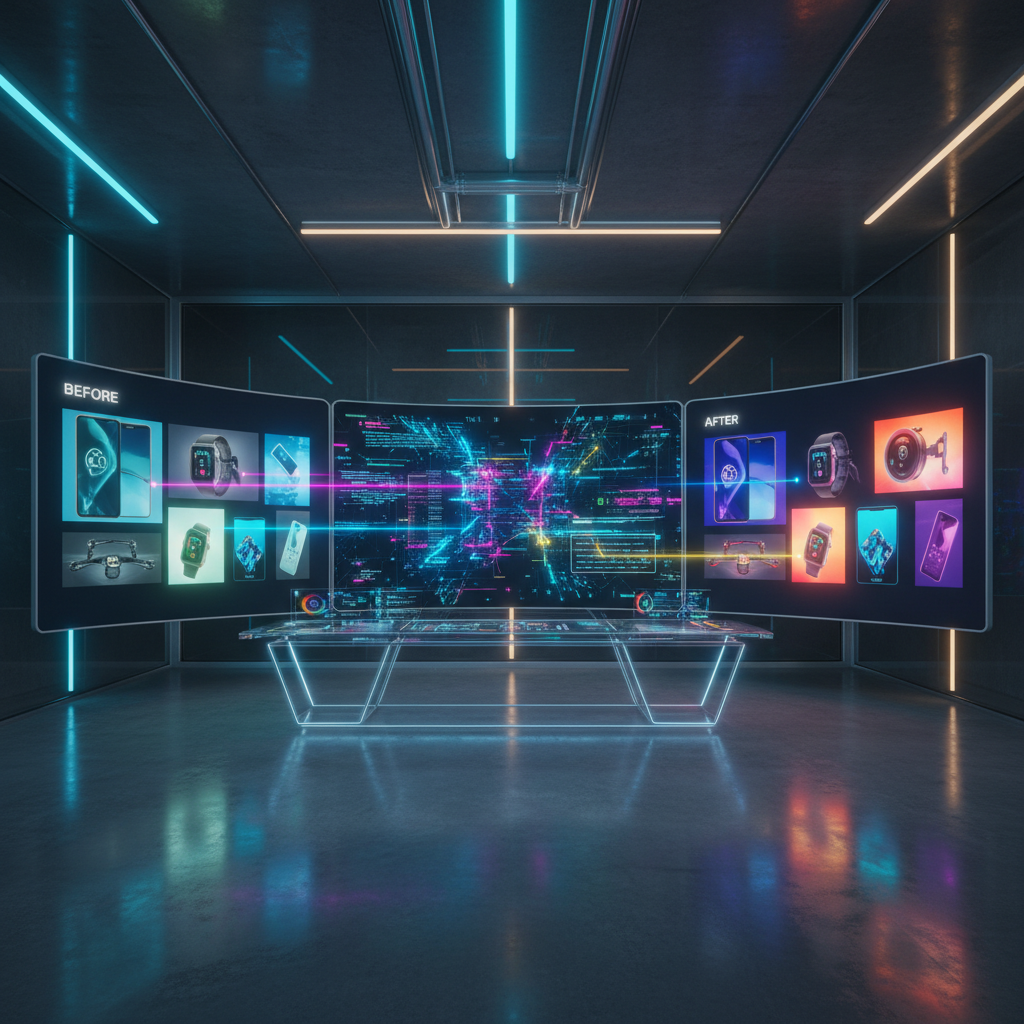
The landscape of e-commerce photography is rapidly evolving, and AI for product photo color correction and grading stands at the forefront of this transformation. This innovative technology leverages artificial intelligence to automate and enhance the visual quality of product images, ensuring consistency and appeal across diverse platforms. It addresses common challenges faced by businesses, from maintaining brand color accuracy to streamlining post-production workflows. By understanding the capabilities of AI in this domain, companies can significantly elevate their product presentation and customer engagement.
Optimizing Product Visuals with AI Color Correction
AI color correction for product photography refers to the use of artificial intelligence algorithms to automatically adjust and refine the colors within product images, ensuring accuracy, vibrancy, and consistency. This process significantly improves the visual appeal of products, making them more attractive to potential buyers online. Traditional manual color correction can be time-consuming and prone to human error, especially when dealing with large volumes of images.
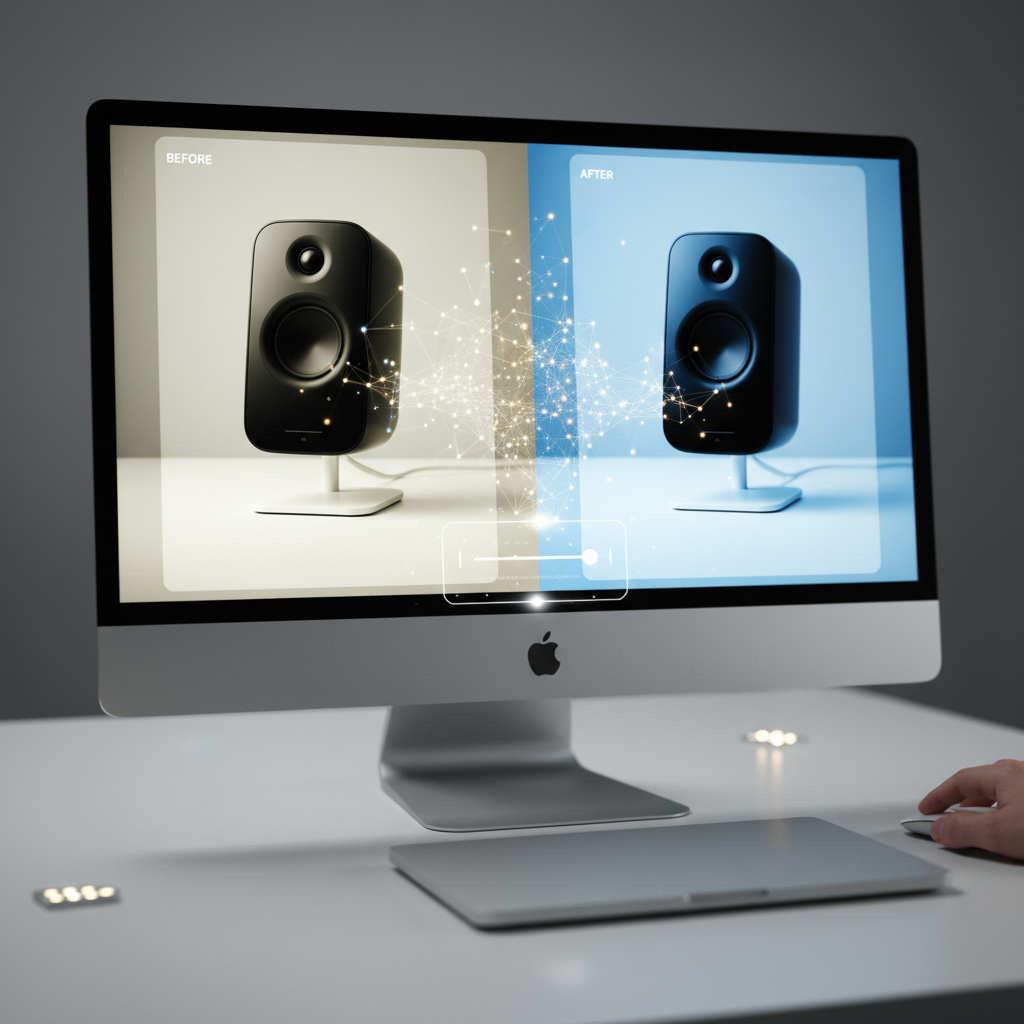
AI-driven solutions offer a powerful alternative, capable of analyzing image data and applying precise adjustments with remarkable speed and consistency. These systems learn from vast datasets of expertly corrected images, allowing them to identify and rectify color inaccuracies such as color casts, oversaturation, or underexposure. The result is a catalog of product images that are uniformly excellent, reflecting true product colors and enhancing the overall brand perception. Many e-commerce businesses are now integrating these tools to maintain high standards effortlessly.
How AI Enhances Color Accuracy in Product Images
AI enhances color accuracy by intelligently analyzing each pixel and its context within a product photo. It can detect subtle color shifts that might be missed by the human eye, correcting them to match real-world product colors more closely. This precision is crucial for products where color is a key purchasing factor, like apparel or cosmetics. The algorithms can differentiate between intentional stylistic choices and genuine color inaccuracies, applying corrections without altering the desired aesthetic.
Benefits of Automated Color Correction for E-commerce
Automated color correction brings numerous benefits to e-commerce operations, primarily by reducing post-production time and costs. Businesses can process thousands of images in a fraction of the time it would take manually, freeing up resources for other critical tasks. Furthermore, it ensures a consistent visual experience for customers, building trust and reducing returns due to color discrepancies. The scalability of AI solutions means that even rapidly expanding product catalogs can maintain high-quality imagery without bottlenecks.
Achieving Brand Consistency with AI Automatic Color Matching
AI automatic color matching across entire product catalog is a sophisticated application of artificial intelligence that ensures every product image adheres to a predefined set of color standards, maintaining visual harmony and brand integrity. This capability is essential for brands that feature numerous products or frequently update their inventory, as it guarantees a uniform look and feel across all visual assets. Discrepancies in color can confuse customers and dilute brand identity.

By employing AI for this task, businesses can eliminate the tedious manual effort of matching colors between different photos, which often come from various photographers, lighting conditions, or shooting sessions. The AI system learns the desired color profile and applies it intelligently, making subtle adjustments to brightness, contrast, and hue to achieve a cohesive aesthetic. This level of consistency not only enhances professional appearance but also strengthens brand recognition and trust among consumers.
The Role of AI in Unifying Product Image Aesthetics
AI plays a pivotal role in unifying product image aesthetics by acting as a central intelligent editor that understands and applies brand-specific visual guidelines. It can analyze disparate images and bring them into alignment with a master color palette or style guide. This goes beyond simple color correction; it involves applying a consistent “look” or “grade” that reflects the brand’s visual identity. The system can even adapt to different product types, ensuring that a metallic item and a fabric item, for example, both appear consistent within the brand’s overall visual language.
Comparing Manual vs. AI Color Matching for Large Catalogs
The difference between manual and AI color matching for large product catalogs is stark, particularly in terms of efficiency, accuracy, and scalability.
| Feature | Manual Color Matching | AI Automatic Color Matching |
|---|---|---|
| Speed | Slow; highly dependent on human operator. | Extremely fast; processes thousands of images in minutes. |
| Consistency | Variable; prone to human fatigue and subjective judgment. | Highly consistent; applies exact same rules every time. |
| Scalability | Limited; requires more personnel for larger catalogs. | Excellent; scales effortlessly with catalog size. |
| Cost | High labor costs for large volumes. | Lower operational costs, higher upfront investment in software. |
| Accuracy | Good, but can miss subtle discrepancies. | Exceptional; detects and corrects minute color variations. |
AI offers a clear advantage for businesses aiming for high-volume, high-quality, and consistent product imagery without incurring prohibitive costs or delays.
Streamlining Workflow with AI for Correcting White Balance in Bulk Photography
AI for correcting white balance in bulk product photography refers to the application of artificial intelligence algorithms to automatically adjust the white balance across a large number of product images, ensuring accurate color representation regardless of the original lighting conditions. White balance is crucial because it dictates how true-to-life colors appear in a photograph. Incorrect white balance can lead to images with an undesirable color cast, making products look unnatural or inconsistent.
AI solutions excel in this area by intelligently analyzing the color temperature of each image and applying precise corrections to neutralize any unwanted tints. This automation dramatically accelerates the post-production workflow for e-commerce businesses, photographers, and marketing teams. Instead of manually adjusting each image, which is incredibly time-consuming for bulk photography, AI can process entire batches with speed and accuracy, delivering consistent, professional results. The technology ensures that whites appear truly white, and all other colors are rendered accurately, reflecting the product’s actual appearance.
Understanding the Importance of Correct White Balance
Correct white balance is fundamental to accurate color reproduction in photography. It ensures that colors in an image are rendered as they appear to the human eye under natural light. Without proper white balance, images can suffer from a yellow, blue, green, or magenta cast, distorting the product’s true color. For product photography, this is critical because customers rely on accurate visual information to make purchasing decisions. Incorrect white balance can lead to customer dissatisfaction and increased product returns. AI algorithms are trained to identify and correct these color shifts, providing a neutral and realistic base for further grading.
Automating White Balance Adjustments with AI
Automating white balance adjustments with AI involves sophisticated algorithms that can detect the light source and its color temperature within an image. These systems learn from vast datasets of correctly white-balanced images to understand what “neutral” looks like under various lighting conditions. When processing a new image, the AI identifies any color cast and applies the necessary compensatory adjustments to remove it. This process can be applied to thousands of images simultaneously, making it an indispensable tool for bulk processing. The benefits include:
* Speed: Drastically reduced processing time compared to manual adjustments.
* Consistency: Uniform white balance across an entire catalog, regardless of shooting conditions.
* Accuracy: Precise adjustments that often surpass human capabilities in identifying subtle color shifts.
* Efficiency: Frees up human editors to focus on more creative or complex tasks.
This automation ensures that every product photo maintains a professional and consistent appearance, enhancing the overall quality of online storefronts.
Establishing Visual Identity with AI Tools for Creating Consistent Product Photo Color Profiles
AI tools for creating consistent product photo color profiles are advanced software solutions that utilize artificial intelligence to define, apply, and maintain a uniform color aesthetic across all product imagery within a brand’s portfolio. A color profile is a set of instructions that describes the color characteristics of an image or device, ensuring that colors are rendered accurately and consistently across different platforms and displays. For brands, establishing a consistent color profile is paramount to building a strong and recognizable visual identity.
AI tools simplify this complex task by allowing brands to define their desired color parameters—such as vibrancy, saturation, and hue ranges—and then automatically apply these settings to new and existing product photos. This ensures that whether a product is shot in a studio or on location, under varying lighting, its final image will always align with the brand’s established look. This consistency is not just about aesthetics; it reinforces brand recognition, communicates professionalism, and builds customer trust by presenting a cohesive and predictable visual experience.
Defining and Applying Brand-Specific Color Profiles with AI
Defining a brand-specific color profile with AI involves training the system on a set of ‘golden standard’ images that perfectly embody the brand’s desired aesthetic. The AI then learns the nuances of these colors, including specific tones, contrasts, and brightness levels. Once the profile is established, the AI can automatically apply these learned characteristics to any new image. This process goes beyond simple color correction; it’s about imposing a distinct visual style. For example, a brand might prefer a slightly desaturated, cool tone for all its products, and the AI can ensure this specific look is consistently achieved. This automation prevents subjective interpretation by different editors, guaranteeing a unified brand presence.
How AI Maintains Color Consistency Across Different Channels
Maintaining color consistency across different channels (e-commerce websites, social media, print catalogs) is a significant challenge due to variations in display technologies and color spaces. AI tools address this by:
1. Standardizing Output: Ensuring that all images are processed to a single, consistent color profile before distribution.
2. Color Space Conversion: Intelligently converting images between different color spaces (e.g., sRGB for web, CMYK for print) while minimizing color shifts.
3. Adaptive Adjustments: Some advanced AI systems can even make subtle adjustments based on the target display or channel to optimize visual fidelity.
By centralizing the color management process through AI, brands can confidently present their products with accurate and consistent colors, regardless of where or how they are viewed. This meticulous approach to visual identity solidifies brand perception and enhances customer experience.
Ensuring Brand Accuracy with AI for Matching Product Photo Colors to Pantone Standards
AI for matching product photo colors to Pantone brand standards 2026 represents a cutting-edge application of artificial intelligence that allows businesses to precisely align the colors in their product photography with specific Pantone colors. Pantone is a globally recognized system for color matching, providing a universal language for color that is crucial for brand consistency, especially in industries like fashion, cosmetics, and manufacturing. Ensuring that digital product images accurately reflect these precise brand colors is vital for maintaining brand integrity and meeting customer expectations.
AI-powered solutions can analyze product images and compare their colors against an extensive database of Pantone swatches. The system then intelligently adjusts the image colors to achieve the closest possible match to the designated Pantone standards. This level of precision is extremely difficult to achieve manually, often requiring highly skilled colorists and significant time. By leveraging AI, brands can automate this complex process, ensuring that their product visuals are always on-brand and true to their established color guidelines, which is particularly relevant in 2026 with increasingly sophisticated AI capabilities. This not only enhances professionalism but also minimizes discrepancies that could lead to customer dissatisfaction or returns.
The Significance of Pantone Matching in Product Branding
Pantone matching holds immense significance in product branding because it provides an objective and universally understood reference for specific colors. Brands invest heavily in their color identity, and any deviation in product photography can undermine this effort. For instance, a luxury brand’s signature red must appear consistent across all its marketing materials, from its website to its print ads and social media. Pantone codes offer that exact benchmark. Accurate Pantone matching:
* Builds Trust: Customers trust that the product they see online is the exact color they will receive.
* Strengthens Brand Identity: Reinforces the brand’s unique visual language and recognition.
* Reduces Returns: Minimizes discrepancies between perceived and actual product color.
* Ensures Quality Control: Acts as a quality benchmark for all visual assets.
AI’s ability to precisely align product photos with these standards is a game-changer for brand managers.
How AI Achieves Precise Pantone Color Replication
AI achieves precise Pantone color replication through a multi-step process involving advanced color science and machine learning.
1. Color Analysis: The AI first analyzes the dominant and secondary colors within a product image, identifying their exact hue, saturation, and lightness values.
2. Pantone Database Comparison: It then cross-references these identified colors with a comprehensive digital database of Pantone swatches.
3. Intelligent Adjustment: Using sophisticated algorithms, the AI calculates the necessary color transformations to shift the image’s colors towards the target Pantone values. This might involve adjusting specific color channels, applying color shifts, or fine-tuning saturation.
4. Iterative Refinement: Some advanced systems employ iterative refinement, making small adjustments and re-evaluating until the closest possible match is achieved within acceptable tolerances.
This automated, data-driven approach ensures a level of accuracy and consistency in Pantone matching that is virtually impossible to replicate through manual methods alone. The integration of AI for product photo color correction and grading with Pantone standards is a key trend in 2026 for maintaining brand integrity.
Future-Proofing Product Photography with Advanced AI Grading Techniques
Future-proofing product photography with advanced AI grading techniques involves leveraging the latest artificial intelligence capabilities to not only correct colors but also to apply sophisticated visual styles and enhancements that anticipate evolving market trends and technological advancements. AI grading goes beyond simple color correction; it encompasses the artistic and stylistic adjustments that give product images a distinct look and feel. This includes manipulating tones, contrasts, shadows, and highlights to evoke specific moods or align with contemporary aesthetic preferences.
As consumer expectations for high-quality, engaging visual content continue to rise, businesses must adopt scalable and intelligent solutions to remain competitive. AI grading offers this by allowing for the rapid application of complex visual treatments across entire product lines, ensuring that imagery always looks fresh, modern, and aligned with current design sensibilities. This capability ensures that a brand’s visual assets remain impactful and relevant over time, adapting to new platforms and display technologies without requiring extensive manual rework. It’s about building a sustainable and adaptable visual strategy for the long term.
The Evolution of AI in Creative Color Grading
The evolution of AI in creative color grading has moved from basic automated adjustments to highly sophisticated stylistic transformations. Early AI tools focused on fixing technical flaws like exposure and white balance. Modern AI, however, can now understand and replicate complex artistic styles. This is achieved through deep learning models trained on vast libraries of professionally graded images. These models can discern patterns in color palettes, tonal curves, and stylistic elements used by expert colorists. As a result, AI can now:
* Emulate Styles: Apply the visual characteristics of a specific photographer or a popular aesthetic trend.
* Suggest Grades: Offer multiple creative grading options based on image content and brand guidelines.
* Adapt to Context: Adjust grading based on the product type, target audience, or even the intended marketing channel.
This evolution empowers brands to explore diverse visual identities with unprecedented efficiency, making AI for product photo color correction and grading a truly creative partner.
Preparing Your Product Visuals for Future AI Integration
Preparing your product visuals for future AI integration involves adopting best practices that maximize the effectiveness of AI tools. This proactive approach ensures that your existing and future image assets are “AI-ready.” Key steps include:
1. High-Quality Source Files: Always start with the highest resolution and quality raw or uncompressed image files possible. AI performs best with rich data.
2. Consistent Naming Conventions: Implement clear and consistent naming conventions for image files. This helps AI systems organize and process data more efficiently.
3. Metadata Tagging: Utilize metadata to tag images with relevant information, such as product category, color, material, and any specific brand guidelines. This context helps AI make more intelligent grading decisions.
4. Establishing Reference Sets: Create small sets of “golden standard” images that represent your desired visual style. These serve as training data for AI models.
5. Regular Audits: Periodically review your image catalog to identify inconsistencies or areas where AI could provide further enhancement.
By following these guidelines, businesses can seamlessly integrate advanced AI solutions into their workflow, ensuring their product photography remains at the cutting edge of visual excellence.
What is AI color correction for product photos?
AI color correction uses artificial intelligence to automatically adjust and refine colors in product images. It ensures accuracy, vibrancy, and consistency, correcting issues like color casts or incorrect saturation. This automation saves time and improves visual quality for e-commerce.
How does AI ensure consistent product photo colors across a catalog?
AI ensures consistency by learning a brand’s desired color profile and applying it uniformly across all images. This capability, often called “AI automatic color matching across entire product catalog,” eliminates manual discrepancies and maintains a cohesive visual identity for the brand.
Can AI fix white balance in bulk product photography?
Yes, AI is highly effective for correcting white balance in bulk product photography. It analyzes the color temperature of each image and automatically applies precise adjustments to neutralize unwanted color casts, streamlining the workflow and ensuring accurate color representation across large batches.
What are AI tools for creating consistent product photo color profiles?
These are AI-powered software solutions that define, apply, and maintain a uniform color aesthetic across all product imagery. They allow brands to establish specific visual guidelines and ensure every image aligns with that established look, reinforcing brand identity.
How does AI help match product photo colors to Pantone standards?
AI for matching product photo colors to Pantone brand standards 2026 analyzes image colors and compares them against a Pantone database. It then intelligently adjusts the image colors to achieve the closest possible match to the designated Pantone values, ensuring precise brand accuracy.
Is AI color grading different from color correction?
Yes, AI color grading goes beyond correction. While correction fixes technical flaws like white balance, grading applies artistic and stylistic enhancements. It manipulates tones, contrasts, and highlights to evoke moods or align with specific aesthetic trends, giving images a distinct look.
Why is consistent color important for e-commerce product photos?
Consistent color in e-commerce product photos is crucial for building customer trust, strengthening brand identity, and reducing returns. It ensures customers see accurate product representations, leading to higher satisfaction and a more professional brand image.
The integration of AI into product photo color correction and grading is no longer a futuristic concept but a present-day necessity for businesses aiming for visual excellence. From automating basic adjustments to achieving precise brand color matching and sophisticated stylistic grading, AI tools are redefining efficiency and quality in e-commerce photography. These technologies empower brands to maintain unparalleled consistency across vast product catalogs, ensuring every image reflects their identity with accuracy and appeal. The ability of AI to correct white balance in bulk photography, create consistent color profiles, and even match colors to Pantone standards offers significant competitive advantages. Embracing these AI-driven solutions is key to future-proofing visual assets and delivering an exceptional customer experience.
* Enhanced Efficiency: Automate tedious manual tasks, drastically reducing processing time and costs.
* Unmatched Consistency: Ensure every product photo aligns with brand standards and visual guidelines.
* Superior Accuracy: Achieve precise color representation, including white balance and Pantone matching.
* Scalable Solutions: Effortlessly manage growing product catalogs without compromising quality.
* Stronger Brand Identity: Present a cohesive and professional visual presence across all platforms.
Explore how AI can transform your product photography workflow and elevate your brand’s visual storytelling today.