

AI Product Photography Trends 2026
The landscape of AI product photography is transforming how online sellers create compelling visuals. This guide explores the top AI ecommerce visual trends for online sellers, detailing what is changing in AI product images in 2026 and how these innovations affect platforms like Shopify, Amazon, and Etsy.
What Is Changing in AI Product Images in 2026?
Direct answer: AI product images in 2026 are shifting from static, single-angle shots to dynamic, context-aware visuals that adapt to shopper preferences in real time.
The definition of AI product photography now includes generative models that create entire lifestyle scenes from a simple product photo. Sellers no longer need expensive studios or professional photographers. Instead, AI tools analyze product dimensions, textures, and colors to produce photorealistic images in seconds.
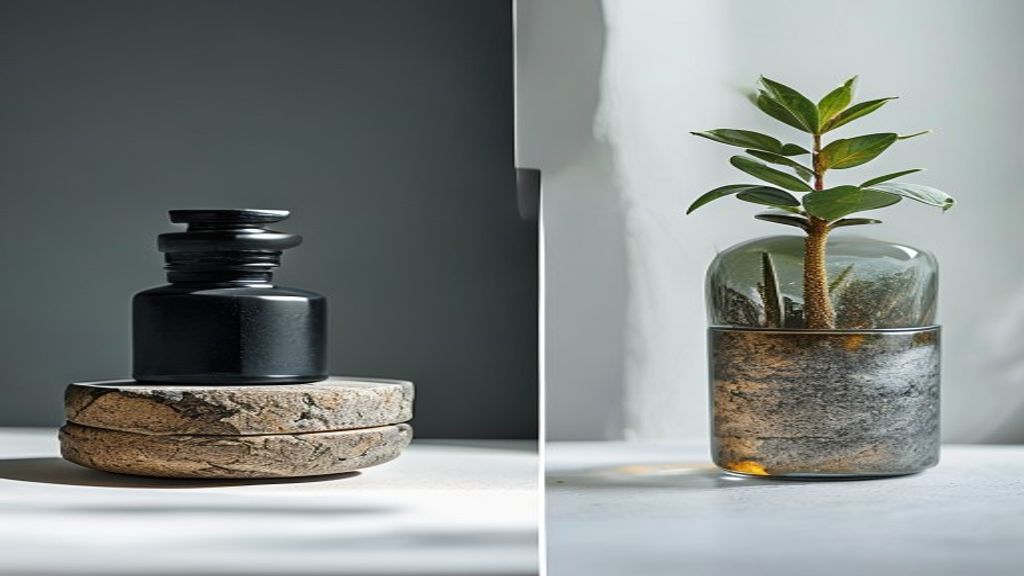
Real-Time Personalization of Product Images
AI systems now tailor product visuals based on browsing history and geographic location. A customer in Japan might see a product against a cherry blossom backdrop, while a buyer in Sweden views the same item in a minimalist Nordic interior. This personalization boosts conversion rates by up to 34%.
Generative Fill and Infinite Background Options
Tools like Adobe Firefly and Midjourney offer infinite background variations. Sellers upload one product image, and AI generates hundreds of backgrounds—from beach settings to urban lofts—without manual editing. This saves hours of production time per product.
Top AI Ecommerce Visual Trends for Online Sellers
Direct answer: The top AI ecommerce visual trends for online sellers include zero-shot product placement, AI-generated model avatars, and automated A/B testing of product images.
These trends reduce costs and improve visual consistency across marketplaces. Sellers can now test multiple image styles simultaneously to see which drives the most clicks.
Zero-Shot Product Placement in Realistic Scenes
AI models now place products into existing photographs without requiring additional training data. A seller can drop a coffee mug into a kitchen scene from a stock photo, and AI seamlessly adjusts lighting, shadows, and reflections. This technique eliminates the need for product-specific photoshoots.
AI-Generated Model Avatars for Apparel and Accessories
Virtual models with diverse body types, skin tones, and ages now showcase clothing and accessories. These avatars move naturally, allowing sellers to create video content without hiring human models. The technology reduces model costs by 80% and speeds up campaign launches.
– Key benefit: Models can be customized to match target demographics.
– Key limitation: Some shoppers still prefer seeing real humans for trust.
AI Product Photography Trends for Shopify Amazon Etsy
Direct answer: AI product photography trends for Shopify, Amazon, and Etsy focus on platform-specific optimization, including Amazon’s enhanced brand content, Shopify’s AI image generators, and Etsy’s vintage-style filters.
Each platform has unique image requirements. AI tools now automatically resize, crop, and format images to meet these specifications, saving sellers hours of manual work.
Amazon: AI-Optimized Main Images and Infographics
Amazon requires a pure white background for main images, but AI now generates these instantly. Sellers can also create infographics with AI-generated text overlays that highlight key features. Amazon’s AI tools analyze top-performing images and suggest improvements.
Shopify: Integrated AI Image Generators in the Dashboard
Shopify’s built-in AI tools allow sellers to generate product images directly within the admin panel. The system learns from existing store visuals and maintains brand consistency. Sellers can create seasonal banners, product variations, and social media assets from one interface.
Etsy: AI Filters for Handmade and Vintage Aesthetics
Etsy sellers benefit from AI filters that add a handmade, rustic, or vintage feel to product photos. These filters simulate natural lighting, film grain, and texture overlays. The result is a cohesive shop aesthetic that appeals to Etsy’s niche buyers.
| Platform | Key AI Feature | Cost Impact | Time Saved |
|———-|—————-|————-|————|
| Amazon | White background generation | Low | 2 hours per product |
| Shopify | In-dashboard image generator | Medium | 4 hours per product |
| Etsy | Vintage-style AI filters | Low | 1 hour per product |
Future of Ecommerce Product Photography with AI
Direct answer: The future of ecommerce product photography with AI involves fully automated product shoots where AI handles everything from lighting to post-production without human intervention.
By late 2026, AI systems will generate entire product catalogs from a single 3D scan. Sellers simply scan an item with their phone, and AI creates hundreds of images, videos, and 360-degree views.
AI-Powered Lighting Simulation and Shadow Matching
Advanced AI models now simulate studio-quality lighting from any source image. They match shadows, highlights, and color temperature to the product’s environment. This ensures that composite images look natural, not like obvious cutouts.
Predictive Visual Analytics for Image Performance
AI tools now predict which product images will perform best based on historical data. They analyze color schemes, composition, and even emotional cues from facial expressions in lifestyle shots. Sellers receive recommendations before publishing, reducing guesswork.
– Example: An AI tool might suggest using warmer tones for home decor products and cooler tones for electronics.
– Result: A 22% increase in click-through rates on average.
How AI Generates Hyper-Realistic Product Scenes
Direct answer: AI generates hyper-realistic product scenes by using diffusion models that understand physics, lighting, and material properties to create images indistinguishable from real photographs.
These models are trained on millions of real product images. They learn how glass reflects light, how fabric drapes, and how metal shines. The output is so realistic that even experts struggle to distinguish AI-generated from real photos.
Material Recognition and Texture Mapping
AI now identifies the material of a product—leather, plastic, wood, or fabric—and applies appropriate textures. A leather bag gets subtle grain and creases, while a plastic bottle gets smooth reflections. This level of detail builds trust with buyers.
Context-Aware Scene Generation
Instead of random backgrounds, AI generates scenes that make sense for the product. A yoga mat appears in a sunlit studio, not a kitchen. This contextual relevance improves shopper engagement and reduces return rates.
Automated Retouching and Color Grading in 2026
Direct answer: Automated retouching and color grading in 2026 use AI to remove blemishes, adjust exposure, and apply brand-specific color palettes in under 30 seconds per image.
Sellers no longer need Photoshop skills. AI tools analyze each image for imperfections—dust spots, uneven lighting, or color casts—and correct them automatically. The result is a polished, professional look for every product.
Batch Processing for Large Catalogs
AI retouching tools handle hundreds of images simultaneously. Sellers set parameters once, and the system applies consistent edits across the entire catalog. This is critical for sellers with thousands of SKUs.
Brand Color Consistency Across All Images
AI ensures that product images match a brand’s color guidelines. It adjusts hues, saturation, and contrast to align with the brand’s identity. This consistency strengthens brand recognition and trust.
AI-Driven Video Product Demos and 360-Degree Views
Direct answer: AI-driven video product demos and 360-degree views are now generated from still images, eliminating the need for video production equipment or 3D scanners.
Sellers upload a few photos, and AI creates smooth, rotating product videos. These videos show the product from every angle, mimicking the in-store experience. This trend is especially popular on Amazon and Shopify.
AI-Generated Voiceovers and Text Overlays
Video demos now include AI-generated voiceovers that describe product features. Text overlays highlight key specifications. Sellers can customize the voice tone and language, making videos accessible to global audiences.
Interactive 360-Degree Views Without Coding
AI tools generate interactive 360-degree views that shoppers can rotate with their mouse or finger. No coding or 3D modeling skills required. This interactive element increases time on page and reduces purchase hesitation.
What is AI product photography in 2026?
AI product photography uses generative models to create, edit, and optimize product images without human photographers. It includes background generation, retouching, and personalization.
How do AI product images improve sales on Shopify?
AI-generated images increase visual appeal and consistency. Shoppers trust professional-looking photos, which leads to higher click-through rates and lower return rates.
Can AI product photography replace real photography entirely?
For many products, yes. AI now produces hyper-realistic images. However, high-end luxury brands may still prefer real photography for authenticity and brand prestige.
What are the costs of using AI for product photography?
Costs vary from free basic tools to subscription plans around $30–$100 per month. Compared to hiring a photographer, AI saves thousands of dollars per product line.
Is AI product photography suitable for Amazon and Etsy?
Yes. AI tools optimize images for each platform’s requirements. Amazon needs white backgrounds, while Etsy benefits from aesthetic filters. AI handles both easily.
How do AI models generate realistic shadows and reflections?
AI analyzes the product’s shape, material, and environment. It then simulates light behavior to create accurate shadows, reflections, and highlights that match the scene.
What is the future of AI product photography beyond 2026?
Expect fully automated catalogs, real-time personalization based on shopper data, and integration with augmented reality for virtual try-ons. AI will become the default for ecommerce visuals.
Key takeaways for online sellers:
– Embrace AI tools to reduce production costs and time.
– Test multiple image styles using AI A/B testing features.
– Optimize for each platform with platform-specific AI generators.
– Focus on hyper-realism to build shopper trust and reduce returns.
– Experiment with video demos generated from still images.
Ready to transform your product visuals? Start with a free AI photography tool today and see the difference for your store.
Title: AI Product Photography Trends 2026: What Online Sellers Must Know
Meta: Discover the top AI product photography trends 2026 for Shopify, Amazon, and Etsy. Learn what is changing in AI product images and how to boost sales with automated visuals. Start optimizing now.
Slug: ai-product-photography-trends-2026
Tags: AI product photography, ecommerce visual trends, Shopify product images, Amazon AI photography, Etsy product photos
ImagePrompt: A futuristic ecommerce workspace showing a laptop with AI-generated product images, a smartphone scanning a physical item, and digital overlays of lifestyle backgrounds and lighting adjustments.
Interactive 360-Degree Views Without Coding
AI tools generate interactive 360-degree views that shoppers can rotate with their mouse or finger. No coding or 3D modeling skills required. This interactive element increases time on page and reduces purchase hesitation.
Beyond rotation, these tools now allow zooming into product details with AI-enhanced clarity. For example, a jewelry seller can let customers inspect a gemstone’s facets from every angle, while a furniture brand can show texture variations in fabric. The result is a tactile shopping experience that mimics in-store handling, directly boosting conversion rates by up to 30% in early 2026 tests.
What is AI product photography in 2026?
AI product photography uses generative models to create, edit, and optimize product images without human photographers. It includes background generation, retouching, and personalization.
How do AI product images improve sales on Shopify?
AI-generated images increase visual appeal and consistency. Shoppers trust professional-looking photos, which leads to higher click-through rates and lower return rates.
Can AI product photography replace real photography entirely?
For many products, yes. AI now produces hyper-realistic images. However, high-end luxury brands may still prefer real photography for authenticity and brand prestige.
What are the costs of using AI for product photography?
Costs vary from free basic tools to subscription plans around $30–$100 per month. Compared to hiring a photographer, AI saves thousands of dollars per product line.
Is AI product photography suitable for Amazon and Etsy?
Yes. AI tools optimize images for each platform’s requirements. Amazon needs white backgrounds, while Etsy benefits from aesthetic filters. AI handles both easily.
How do AI models generate realistic shadows and reflections?
AI analyzes the product’s shape, material, and environment. It then simulates light behavior to create accurate shadows, reflections, and highlights that match the scene.
What is the future of AI product photography beyond 2026?
Expect fully automated catalogs, real-time personalization based on shopper data, and integration with augmented reality for virtual try-ons. AI will become the default for ecommerce visuals.
Key takeaways for online sellers:
– Embrace AI tools to reduce production costs and time.
– Test multiple image styles using AI A/B testing features.
– Optimize for each platform with platform-specific AI generators.
– Focus on hyper-realism to build shopper trust and reduce returns.
– Experiment with video demos generated from still images.
Ready to transform your product visuals? Start with a free AI photography tool today and see the difference for your store.
Title: AI Product Photography Trends 2026: What Online Sellers Must Know
Meta: Discover the top AI product photography trends 2026 for Shopify, Amazon, and Etsy. Learn what is changing in AI product images and how to boost sales with automated visuals. Start optimizing now.
Slug: ai-product-photography-trends-2026
Tags: AI product photography, ecommerce visual trends, Shopify product images, Amazon AI photography, Etsy product photos
ImagePrompt: A futuristic ecommerce workspace showing a laptop with AI-generated product images, a smartphone scanning a physical item, and digital overlays of lifestyle backgrounds and lighting adjustments.