

AI For Generating Product Photos From 3D CAD Files 2026 Guide
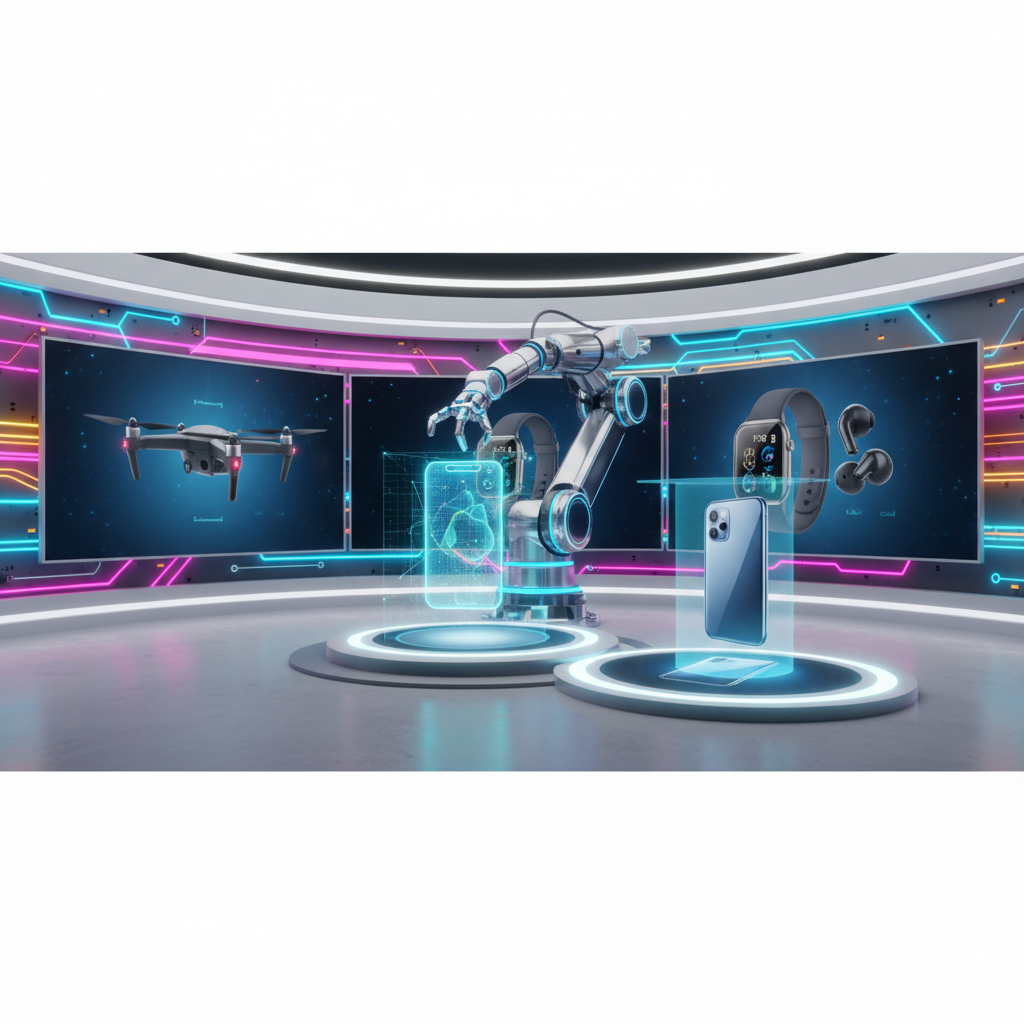
The landscape of product visualization is undergoing a profound transformation, with AI for generating product photos from 3D CAD files emerging as a pivotal technology. This innovative approach leverages artificial intelligence and machine learning to convert complex engineering designs into stunning, photorealistic imagery. In 2026, businesses are increasingly adopting AI-powered solutions to streamline their visual content creation, drastically reducing the time and cost associated with traditional photography. This guide explores how AI is revolutionizing the creation of market-ready product visuals directly from digital design assets, enhancing efficiency, consistency, and creative possibilities across various industries.
How AI Transforms Engineering Drawings into Product Photography
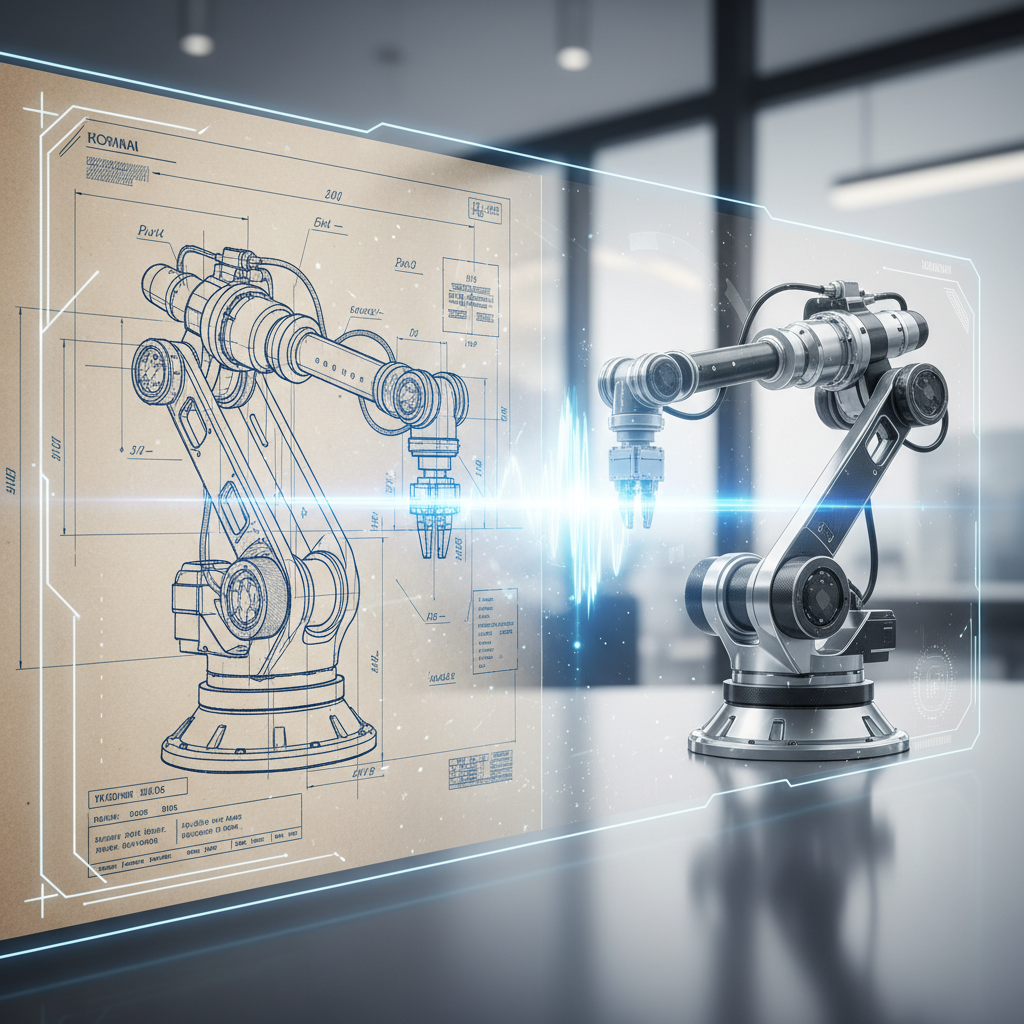
AI significantly transforms engineering drawings into product photography by automating the visualization process, enabling designers and marketers to generate high-quality, photorealistic images directly from technical blueprints. This capability eliminates the need for physical prototypes or elaborate photoshoots, accelerating time-to-market for new products. AI tools can interpret complex 2D drawings and translate them into detailed 3D models, which are then rendered into lifelike photographs with appropriate lighting, textures, and environments.
The integration of AI into design workflows means that a simple engineering drawing can become a compelling visual asset for marketing and sales within minutes. This process is particularly beneficial for industries dealing with intricate components or custom designs, where traditional photography would be time-consuming and expensive. AI models are trained on vast datasets of images, allowing them to understand how light interacts with different materials and surfaces, producing incredibly realistic results.
Streamlining Design-to-Photo Workflow
The workflow from design to photography is dramatically streamlined with AI. Instead of waiting for physical prototypes to be manufactured and then professionally photographed, companies can now generate marketing visuals at the earliest stages of product development. This means that as soon as an engineering drawing is finalized, AI can begin creating a library of product images for various applications. Tools like Rendair AI are specifically designed to bridge the gap between concept sketches and client-ready visuals, offering speed with precision. This rapid iteration capability allows for extensive A/B testing of visual styles and campaigns before any manufacturing costs are incurred.
For instance, an engineer can upload a 2D drawing, and an AI-powered tool can automatically create a 3D model, apply realistic textures based on material specifications, and then render it in multiple studio-quality settings. This entire process can take seconds, a stark contrast to the days or weeks required for traditional methods. The efficiency gained translates directly into faster product launches and more agile marketing strategies.
Overcoming Traditional Photography Challenges
AI effectively overcomes many challenges inherent in traditional product photography, such as high costs, time-consuming setups, and limited creative flexibility. Traditional photoshoots require significant investment in studios, equipment, photographers, and models, with costs ranging from $500 to $5,000 per session. AI-powered solutions drastically cut these expenses, often reducing costs by 80-95% per image.
Moreover, the ability to generate endless variations of a product image—different backgrounds, lighting conditions, and angles—without reshooting provides unparalleled creative freedom. This is crucial for e-commerce, where diverse visuals are essential for engaging customers and boosting conversion rates. AI also ensures consistency across product lines and catalogs, a challenge that can be difficult to maintain with human photographers and varying studio conditions. The technology has matured to a point where, in 2026, consumers often cannot distinguish between AI-generated lifestyle photos and traditional photography.
Leveraging AI for Photorealistic Rendering from Solidworks and AutoCAD Models
AI photorealistic rendering from Solidworks and AutoCAD models allows designers to transform detailed CAD files into stunning, lifelike product images with unprecedented speed and fidelity. By integrating advanced AI algorithms, these tools can automatically apply realistic materials, optimize lighting, and generate complex environments, bypassing much of the manual effort traditionally required in 3D rendering. This capability is crucial for product designers, engineers, and marketers who need high-quality visuals for presentations, marketing materials, and virtual showrooms.
The latest advancements in AI rendering engines can take a raw 3D model from software like Solidworks or AutoCAD and, with minimal input, produce images that are virtually indistinguishable from actual photographs. This is achieved through sophisticated algorithms that understand physics-based rendering (PBR) materials, global illumination, and intricate shadow casting, bringing digital models to life.
Achieving Unparalleled Visual Fidelity
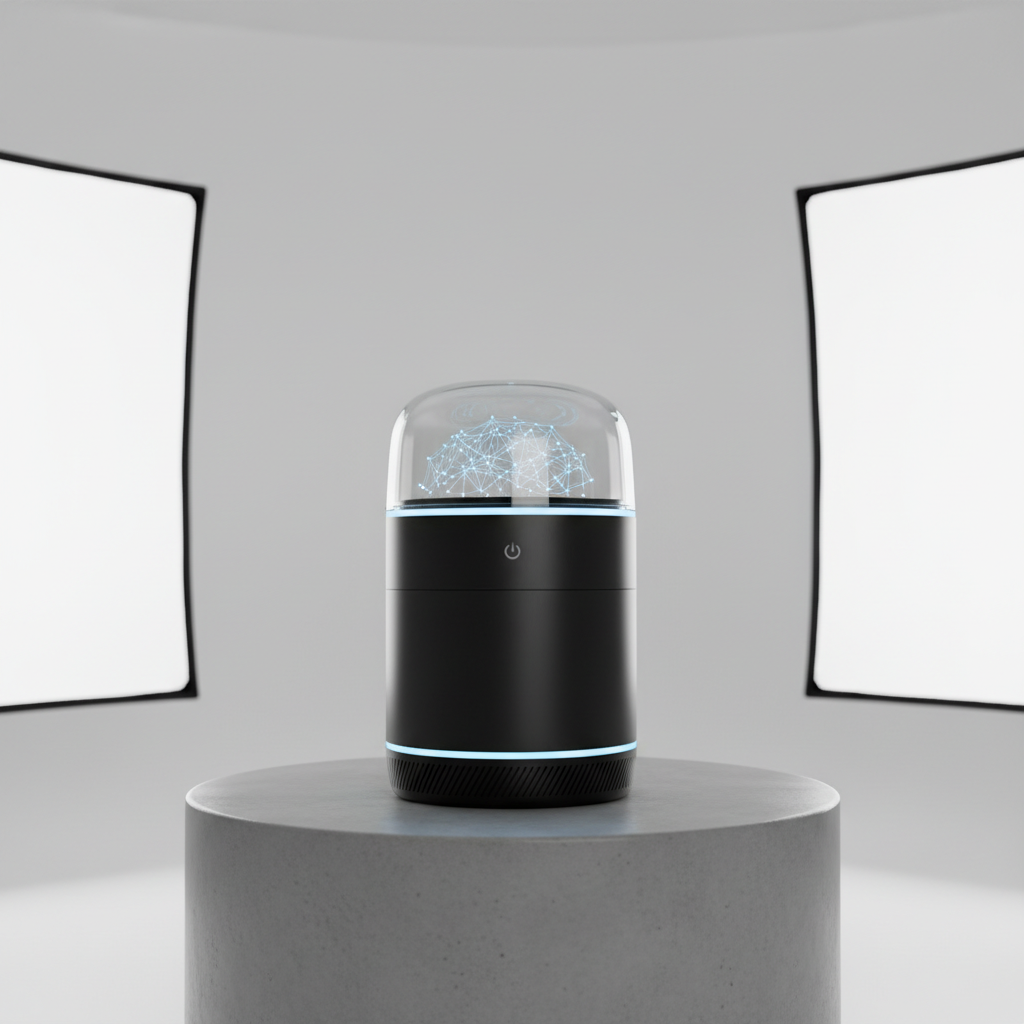
Achieving unparalleled visual fidelity is a hallmark of current AI rendering technologies. These systems can accurately simulate how light interacts with various surfaces, from highly reflective metals to translucent plastics and textured fabrics. This level of detail ensures that the rendered images convey the true aesthetic and material properties of the product. SOLIDWORKS 2026, for example, now integrates Visualize directly into its CAD environment, offering flexible rendering options and a new material system (DSPBR) that provides a 1:1 visual match between the CAD model and the render.
AI denoising techniques also play a significant role, allowing for faster rendering times without compromising image quality. This means designers can achieve high-resolution, photorealistic outputs in fewer passes, even in CPU render mode. The result is visuals that are not only accurate but also captivating, allowing potential customers to experience the product virtually as if it were physically present.
Accelerating Product Visualization Cycles
AI significantly accelerates product visualization cycles by automating many of the time-consuming tasks involved in traditional rendering. Instead of spending hours or days manually setting up scenes, adjusting lights, and tweaking materials, AI can perform these operations in seconds. This speed allows for rapid iteration and exploration of design variations, enabling product teams to quickly visualize different colorways, material finishes, or environmental contexts.
For example, a company can generate 100 variations of a product image in minutes, testing different scenes for seasonal campaigns or A/B testing creative approaches. This agility is invaluable in fast-paced markets, where the ability to quickly adapt and present new product visuals can be a significant competitive advantage. AI-assisted 3D modeling can also save 40-60% of production time, allowing more focus on creative refinement.
Here’s a comparison of traditional vs. AI-powered rendering:
| Feature | Traditional Rendering | AI-Powered Rendering |
|---|---|---|
| Setup Time | Hours to Days | Minutes to Seconds |
| Cost per Image | High ($500-$5,000+) | Low ($0.10-$2.00) |
| Creative Iterations | Limited, time-consuming | Extensive, rapid |
| Consistency | Challenging to maintain | High, easily repeatable |
| Required Expertise | High (3D artists, photographers) | Moderate (user-friendly tools) |
Generating Market-Ready Product Photos from Prototypes with AI
AI for generating product market-ready photos from prototypes empowers businesses to create high-quality visual content for products even before mass production begins. This means that physical prototypes, often expensive and limited in number, can be transformed into diverse, professional-grade product photography suitable for e-commerce listings, marketing campaigns, and investor presentations. AI tools achieve this by taking an initial photograph of a prototype and then using generative AI to enhance it, place it in various realistic scenes, or even apply different materials and finishes.
This process is particularly valuable for startups and companies with long development cycles, allowing them to gauge market interest and secure early sales without the full investment in manufacturing and traditional photoshoots. The AI analyzes the prototype’s form, lighting, and texture, then intelligently generates backgrounds, shadows, and reflections that make the image appear as if it were captured in a professional studio or real-world environment.
Bridging the Gap Between Physical and Digital
AI effectively bridges the gap between physical prototypes and digital marketing assets. Instead of relying on costly and time-consuming photoshoots for each iteration of a prototype, AI can take a single photo and generate countless variations. This capability allows for rapid testing of different visual styles and marketing angles. For example, a physical prototype can be photographed on a simple white background, and AI can then place it in a luxurious living room, an outdoor adventure scene, or a minimalist studio, complete with realistic lighting and shadows.
This eliminates the need to physically transport prototypes to various locations or construct elaborate sets. The AI’s ability to understand and replicate real-world physics in its rendering ensures that the digital representations accurately reflect the physical product, building consumer trust.
Cost-Effective Visuals for Early-Stage Products
For early-stage products and prototypes, AI provides an incredibly cost-effective solution for creating high-quality visuals. Traditional product photography can be a significant financial burden, especially when multiple prototypes or design iterations are involved. AI tools, however, can generate professional-grade images at a fraction of the cost, often as low as $0.10 to $2.00 per image.
This affordability makes professional visuals accessible to small businesses and individual entrepreneurs who might otherwise struggle to compete with larger brands in terms of visual marketing. By reducing production costs by 80-95%, AI enables brands to allocate more resources to product development and marketing strategy, accelerating growth. The ability to quickly generate diverse visuals also supports crowdfunding campaigns and early market feedback, allowing companies to refine their products based on customer reactions to different visual presentations.
AI for Creating Product Photos from Technical Specification Sheets
AI for creating product photos from technical specification sheets represents a significant leap in automated content generation, allowing businesses to produce visual assets directly from textual data. This technology involves AI models interpreting detailed product descriptions, material lists, dimensions, and other technical data to construct a virtual 3D model, which is then rendered into photorealistic images. This process is invaluable for products that are highly technical, customizable, or exist only in conceptual stages.
By analyzing the data within specification sheets, AI can infer the product’s form, scale, and material properties, translating this information into a visually accurate representation. This eliminates the need for any existing visual input, making it possible to generate product photos for entirely new designs or configurations without a single drawing or prototype.
Interpreting Complex Data for Visuals
AI excels at interpreting complex data from technical specification sheets to generate accurate visuals. These sheets often contain detailed information about materials, finishes, dimensions, and assembly instructions that are crucial for precise product representation. AI algorithms are trained to understand these parameters and apply them to a virtual 3D model. For example, if a specification sheet mentions “brushed aluminum finish” and specific dimensions, the AI can generate a model that accurately reflects these details, complete with realistic metallic reflections and precise sizing.
This capability is particularly beneficial for manufacturers and suppliers who need to showcase a wide range of configurable products. Instead of manually creating renders for every possible combination, AI can automate the process, ensuring consistency and accuracy across all visual outputs. This not only saves time but also reduces the potential for human error in interpreting technical data.
Automating Visual Content Creation
Automating visual content creation from specification sheets allows companies to scale their product imagery efforts dramatically. This is especially useful for businesses with extensive product catalogs or those that frequently update their offerings. With AI, a new product variant or a slight design modification described in a specification sheet can instantly lead to a new set of marketing images.
Consider a company selling customizable industrial equipment. Each configuration might have unique components and dimensions. Manually rendering each possible combination would be impractical. However, with AI, the system can read the technical specifications for a particular configuration and generate accurate, photorealistic images on demand. This enables dynamic product pages, personalized marketing materials, and rapid content updates, keeping pace with evolving product lines and market demands.
The Future of AI in Product Photography and Marketing
The future of AI in product photography and marketing is poised for exponential growth, with AI becoming an indispensable tool for brands seeking efficiency, creativity, and deeper customer engagement. As AI models continue to evolve, they will offer even more sophisticated capabilities, including hyper-realistic rendering, personalized visual experiences, and seamless integration across all stages of the product lifecycle. The market for AI product photography is expected to grow significantly, with analysts projecting a 24.5% annual growth rate between 2025 and 2035 for the online AI product photography market for e-commerce.
AI will move beyond mere image generation to become a strategic partner in visual storytelling, allowing brands to create dynamic, interactive, and highly contextualized product visuals that adapt to individual consumer preferences and market trends. The emphasis will shift from simply creating images to generating entire visual campaigns with minimal human intervention.
Personalized Product Experiences
AI is paving the way for highly personalized product experiences in marketing. By analyzing customer data and preferences, AI can generate product images that are tailored to individual shoppers, showcasing products in contexts or styles that resonate most with them. For example, an AI could display a piece of furniture in a living room setting that matches a user’s existing decor style or show apparel on a virtual model with similar body type and ethnicity.
This level of personalization enhances engagement and significantly boosts conversion rates, as customers feel a stronger connection to the product. AI-driven visualization can adapt to different users and roles, providing customized insights. The ability to generate localized backgrounds, seasonal themes, and culturally relevant scenes from a single source product photo further empowers brands to cater to diverse international markets without costly reshoots.
Ethical Considerations and Best Practices
As AI in product photography becomes more prevalent, ethical considerations and best practices are increasingly important. Ensuring transparency about AI-generated content is crucial to maintain consumer trust. While AI-generated images are becoming imperceptible from real ones, brands must consider how to disclose their use responsibly, especially for sensitive products. The biggest mistake people make with AI product photos is treating AI as a replacement instead of an assistant, often skipping cleanup and quality control, which can damage trust.
Best practices include:
* Quality Control: Always review AI-generated images for any anomalies, distortions, or unrealistic elements before publication.
* Brand Consistency: Develop clear guidelines and prompts to ensure AI outputs align with brand aesthetics and messaging.
* Data Privacy: Be mindful of the data used to train AI models, especially concerning customer data for personalization.
* Human Oversight: Maintain human oversight in the creative process. AI is a tool to augment, not replace, human creativity and judgment.
* IP Ownership: Understand the intellectual property implications of AI-generated content and ensure clear ownership of generated assets.
The debate around AI’s impact on design quality is also ongoing, with concerns that it could lower the average bar if not used thoughtfully. Therefore, focusing on AI as a tool to enhance craft rather than replace it will be key to its successful and ethical adoption.
What is AI for generating product photos from 3D CAD files?
AI for generating product photos from 3D CAD files uses artificial intelligence and machine learning algorithms to convert three-dimensional computer-aided design models into photorealistic two-dimensional images. This process automates the creation of marketing visuals from technical designs.
Can AI convert engineering drawings into product photography?
Yes, AI can convert engineering drawings into product photography. AI tools interpret 2D technical drawings, build virtual 3D models, and then render them into high-quality, photorealistic images, complete with realistic lighting and textures.
Is AI photorealistic rendering from Solidworks and AutoCAD models possible?
Absolutely. AI-powered rendering engines can take Solidworks and AutoCAD models and generate photorealistic images. These tools apply advanced rendering techniques, such as PBR materials and global illumination, to create visuals indistinguishable from real photographs.
How does AI generate market-ready photos from prototypes?
AI generates market-ready photos from prototypes by taking an initial image of a physical prototype and then using generative AI to enhance it, place it in various realistic scenes, or apply different materials and finishes, creating diverse marketing visuals.
Can AI create product photos from technical specification sheets alone?
Yes, AI can create product photos from technical specification sheets alone. The AI interprets textual data like dimensions, materials, and features to construct a virtual 3D model, which is then rendered into photorealistic product images. This is useful for conceptual products.
What are the main benefits of using AI for product photography?
The main benefits include significant cost reduction (80-95% savings), accelerated content creation, enhanced creative flexibility, improved visual consistency across catalogs, and faster time-to-market for new products.
What AI tools are best for product photography in 2026?
Several AI tools are highly rated for product photography in 2026, including Claid.ai for automation and volume, Photoroom for mobile editing, Flair.ai for design, and Adobe Firefly for existing Adobe users. Others like Nightjar and Pebblely also offer strong capabilities.
The integration of AI into product visualization workflows marks a transformative era for businesses in 2026. From converting intricate engineering drawings to generating market-ready photos from early prototypes, AI offers unparalleled efficiency and creative freedom. The ability to produce photorealistic renders from 3D CAD models like Solidworks and AutoCAD, or even from just technical specification sheets, empowers companies to accelerate their product launches and enhance their marketing efforts significantly.
Key takeaways include:
* AI dramatically reduces the cost and time associated with traditional product photography by 80-95%.
* It enables rapid iteration and creation of diverse visual content for marketing and e-commerce.
* Tools are increasingly sophisticated, offering photorealistic quality that is often indistinguishable from real photos.
* AI facilitates personalized product experiences, enhancing customer engagement and conversion rates.
* Adopting a hybrid workflow, combining AI for speed and 3D rendering for precision, is the most effective strategy.
As this technology continues to evolve, embracing AI for visual content creation will be essential for brands aiming to stay competitive and innovative. Explore how AI can revolutionize your product visualization strategy and unlock new possibilities for your brand’s growth.