


AI Product Image SEO Guide 2026 Strategy Guide
The landscape of e-commerce is rapidly evolving, and AI product image SEO is becoming a critical component for online visibility. This guide will explore how to optimize AI-generated product images for search engines, ensuring your visual content drives traffic and conversions. Leveraging artificial intelligence to create stunning product visuals offers unparalleled efficiency and scalability. However, without proper optimization, even the most captivating AI images can remain hidden from potential customers. Understanding the nuances of image SEO for ecommerce product photos with AI is essential for any digital marketer or online store owner looking to gain a competitive edge.
Optimizing AI-Generated Product Images for Search Engines
Optimizing AI-generated product images for search engines involves a strategic approach to naming, describing, and structuring your image data to improve discoverability and ranking. This process ensures that search engines understand the content and context of your visuals, leading to better visibility in image search results and overall organic traffic. AI-generated product images are visuals created using artificial intelligence algorithms, often from text prompts or existing data, to depict products realistically or stylistically without traditional photography.

To effectively optimize these images, focus on clarity, relevance, and technical soundness. High-quality images alone are not enough; they must be accompanied by robust SEO practices. Search engines rely on various signals to rank images, including surrounding text, image metadata, and user engagement. By meticulously optimizing each element, you enhance the chances of your AI-generated product images appearing prominently in search results. This directly translates to increased traffic and potential sales for your e-commerce store.
Understanding the Role of AI in Product Image Creation and SEO
Artificial intelligence streamlines the creation of diverse product visuals, offering flexibility and speed unmatched by traditional methods. AI tools can generate multiple angles, backgrounds, and even lifestyle shots from a single product input. For SEO, this means a wider array of unique images to optimize, catering to different search queries. The ability to quickly generate variations allows for A/B testing different image styles and their impact on search performance. This iterative process is crucial for refining your AI product image SEO strategy.
Keyword Research for Visual Content
Effective keyword research is not just for text content; it’s equally vital for visual assets. Identify keywords potential customers use when searching for your products, including descriptive terms, brand names, and specific features. Incorporate these keywords naturally into your image filenames, alt text, and surrounding content. Consider long-tail keywords that might be used in visual searches, such as “blue leather handbag front view” or “eco-friendly yoga mat texture.”
Here’s a simple process for keyword research for images:
- Brainstorm core product keywords.
- Use keyword research tools to find related and long-tail keywords.
- Analyze competitor image SEO for inspiration.
- Consider user intent: what are people looking for visually?
This targeted approach ensures your AI-generated images are aligned with user search intent, boosting their relevance and discoverability.
Crafting Effective AI Product Image Alt Text, Filenames, and Schema
Crafting effective alt text, filenames, and schema for AI product images is fundamental for robust image SEO, as these elements provide crucial context to search engines and accessibility tools. Alt text, or alternative text, describes the image for visually impaired users and for search engine crawlers that cannot “see” the image. Filenames offer an initial clue about the image content, while schema markup provides structured data that enhances how search engines understand and display your product images in search results. Implementing these correctly is a cornerstone of any successful image SEO strategy for ecommerce product photos with AI.
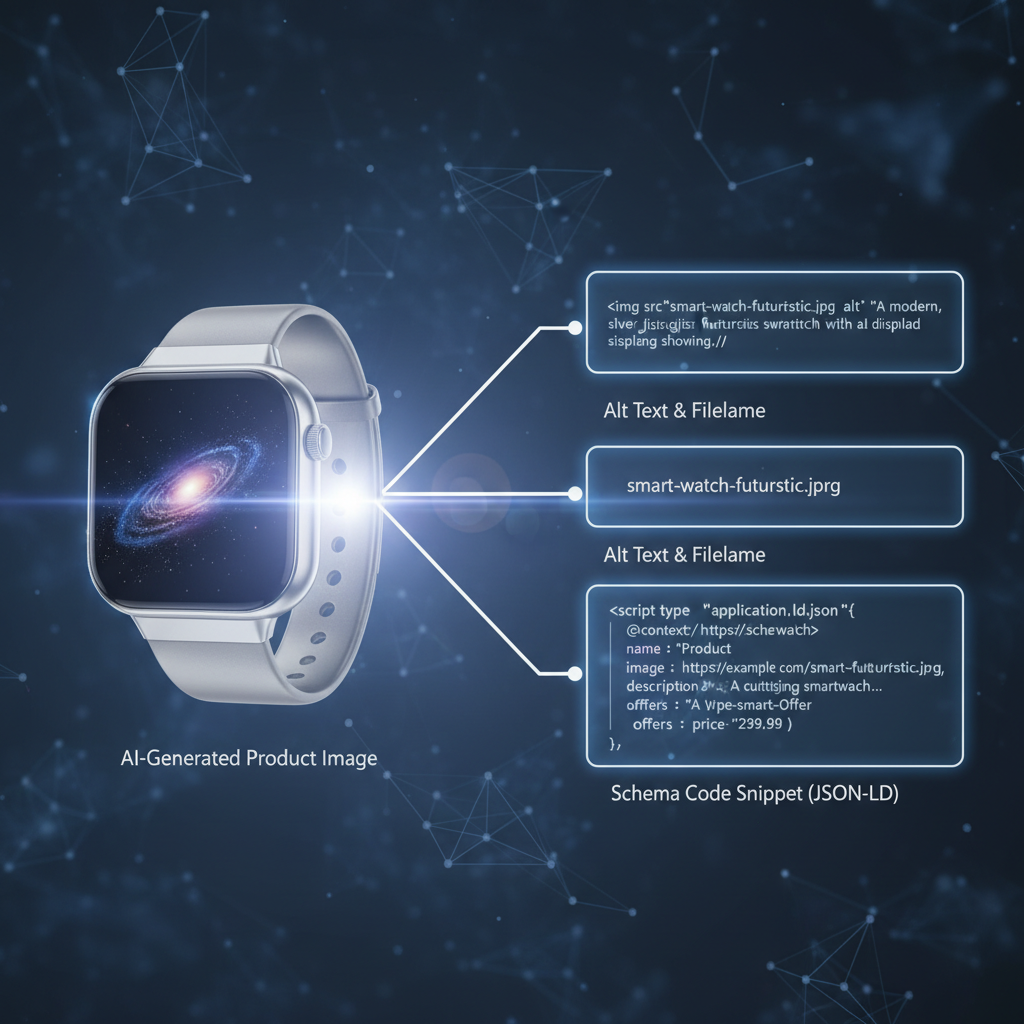
When an image fails to load, the alt text appears in its place, maintaining a semblance of content for the user. For search engines, descriptive alt text helps them categorize and rank your images for relevant queries. Similarly, a clear, keyword-rich filename makes it easier for crawlers to understand the image’s subject matter from the outset. Schema markup, specifically Product Schema, allows you to embed detailed information like price, availability, and reviews directly into the image’s context, potentially leading to rich snippets in search results. This comprehensive approach maximizes the visibility and understanding of your AI-generated visuals.
Writing Descriptive and Keyword-Rich Alt Text for AI Images
Alt text should be concise, descriptive, and include relevant keywords without keyword stuffing. Its primary purpose is to describe the image’s content accurately. For AI-generated product images, this means detailing the product, its key features, and any relevant context.
Consider these examples for an AI-generated image of a red sneaker:
- Poor Alt Text: `red sneaker` (too generic)
- Better Alt Text: `red athletic sneaker for men` (more descriptive)
- Best Alt Text: `Men’s vibrant red athletic sneaker with white sole, ideal for running and casual wear` (descriptive, includes keywords, and context)
Always prioritize user experience and accessibility when writing alt text. If the AI image shows a specific detail, like a texture or a logo, include that in the description.
Optimizing Filenames for Clarity and Searchability
Image filenames should be descriptive and use hyphens to separate words. Avoid generic filenames like “IMG_001.jpg” or “product1.png.” Instead, use keywords relevant to the product shown in the image. This practice significantly aids search engines in understanding the image’s content before even crawling the page.
Example filename optimization:
* Original: `ai-gen-image-003.jpg`
* Optimized: `womens-leather-shoulder-bag-black-front-view.jpg`
Keep filenames relatively short but informative. Consistency in naming conventions also helps with site organization and crawlability. This is a simple yet powerful step in your AI product image alt text filename and schema guide.
Implementing Product Schema Markup for Enhanced Visibility
Product Schema markup is structured data that provides search engines with specific details about your product, such as its name, description, price, availability, and reviews. When applied to your product images, it helps them appear as rich snippets in search results, often with visual enhancements like star ratings or price information. This makes your listings more appealing and can significantly increase click-through rates.
Example of Product Schema properties relevant to images:
| Schema Property | Description | Example Value |
|---|---|---|
| `@type` | Type of item being described | `Product` |
| `name` | Name of the product | `Luxury Silk Scarf` |
| `image` | URL of the product image | `https://example.com/images/silk-scarf.jpg` |
| `description` | Detailed description of the product | `A luxurious 100% silk scarf…` |
| `offers` | Pricing and availability information | `{ “@type”: “Offer”, “price”: “99.99”, “priceCurrency”: “USD” }` |
Implementing schema requires adding JSON-LD code to your product pages. Many e-commerce platforms offer plugins or built-in functionalities to simplify this process.
Technical SEO Best Practices for AI E-commerce Images
Technical SEO best practices for AI e-commerce images focus on optimizing image file size, format, and loading speed to improve website performance and user experience, which are critical ranking factors. Large image files can significantly slow down page load times, leading to higher bounce rates and a negative impact on search engine rankings. Therefore, efficiently compressing and serving your AI-generated product images is paramount. These technical considerations are a vital part of how to optimize AI-generated product images for SEO.
Search engines prioritize fast-loading websites, and images are often the heaviest elements on a page. By ensuring your AI images are technically optimized, you contribute to a smoother browsing experience for users and a more favorable assessment from search engine crawlers. This includes choosing the right file format, compressing images without sacrificing quality, and implementing lazy loading. Overlooking these technical details can undermine all your efforts in creating compelling visuals and descriptive metadata.
Image Compression and File Size Optimization
Compressing your AI-generated product images is crucial for maintaining fast page load times. Tools exist that can reduce file size by 50-80% or more without a noticeable drop in visual quality. Aim for the smallest possible file size while retaining clarity and detail. This is especially important for e-commerce sites where product pages often feature multiple images.
Consider these compression tips:
* Use online image optimizers or dedicated software.
* Experiment with different compression levels to find the sweet spot.
Compress images before* uploading them to your e-commerce platform.
* Regularly audit your site for unoptimized images.
Reducing file size directly contributes to a better user experience and improved Core Web Vitals scores, which are key Google ranking signals.
Choosing the Right Image Format (WebP, JPEG, PNG)
Selecting the appropriate image format is another critical technical decision. WebP is generally recommended for its superior compression and quality compared to JPEG and PNG. It offers both lossy and lossless compression, making it versatile for various types of images.
* WebP: Excellent for both photographic and graphic images, offering smaller file sizes with comparable or better quality.
* JPEG: Best for photographs and images with many colors and gradients, but typically larger than WebP.
* PNG: Ideal for images with transparency or sharp lines, like logos and screenshots, but often results in larger file sizes than JPEG for photos.
Many modern e-commerce platforms now support WebP, and converting your existing images to this format can yield significant performance benefits.
Implementing Responsive Images and Lazy Loading
Responsive images ensure that your product photos display correctly and efficiently across various devices and screen sizes. This involves using `srcset` and `sizes` attributes in your HTML to serve different image versions based on the user’s viewport. Lazy loading defers the loading of images until they are about to enter the user’s viewport, meaning images below the fold don’t load until the user scrolls down.
Benefits of responsive images and lazy loading:
* Faster initial page load: Only necessary images are loaded.
* Reduced bandwidth usage: Users on mobile devices download smaller image files.
* Improved user experience: Pages feel snappier and more responsive.
* Better SEO: Contributes to higher Core Web Vitals scores.
Most modern content management systems and e-commerce platforms have built-in features or plugins for implementing responsive images and lazy loading, simplifying this technical task.
Platform-Specific Product Image SEO Checklist
A platform-specific product image SEO checklist provides tailored guidelines for optimizing AI-generated product images on popular e-commerce platforms like Shopify, Amazon, and Etsy. Each platform has its unique requirements, limitations, and best practices for image display and search indexing. Adhering to these platform-specific recommendations ensures your images are not only optimized for general search engines but also for the internal search algorithms of these marketplaces, which is crucial for maximizing visibility and sales. This is your essential product image SEO checklist for Shopify Amazon Etsy.
Understanding the nuances of each platform can significantly impact your product’s discoverability. For instance, Amazon places a strong emphasis on consistent image dimensions and a pure white background, while Shopify offers more flexibility but benefits greatly from comprehensive metadata. Etsy, being a marketplace for unique and handmade items, often rewards lifestyle images that tell a story. Tailoring your image optimization strategy to each platform’s guidelines is key to unlocking their full potential.
Shopify Image SEO Best Practices for AI-Generated Photos
Shopify is a powerful platform, and optimizing your AI-generated product images here involves a combination of general SEO principles and Shopify-specific features.
Key Shopify image SEO tips:
* Descriptive Filenames: Rename your AI images before uploading (e.g., `brand-product-name-color.jpg`).
* Alt Text: Fill in the alt text for every image with descriptive, keyword-rich phrases. Shopify’s interface makes this easy.
* Image Size and Compression: Shopify automatically resizes images, but uploading optimized (WebP or compressed JPEG) images is still beneficial for initial upload speed. Aim for images around 2048px on the longest side for Retina displays.
* Product Description Integration: Ensure your product descriptions naturally include keywords relevant to your images.
* Theme Optimization: Choose a Shopify theme known for its speed and image handling capabilities.
* Apps for SEO: Consider Shopify apps that specifically help with image optimization, bulk alt text editing, or schema markup.
Regularly review your Shopify store for broken images or unoptimized alt text to maintain peak performance.
Amazon Product Image Requirements and SEO
Amazon has stringent requirements for product images, and adhering to them is non-negotiable for listing products. Beyond mere compliance, optimizing your images for Amazon’s search algorithm can significantly boost visibility.
Amazon image SEO considerations:
* Main Image: Must have a pure white background (RGB 255, 255, 255), be a professional photograph (even if AI-generated to look like one), and show the product taking up at least 85% of the frame.
* Image Dimensions: At least 1000px on the longest side to enable zoom functionality. Optimal is often 2000px on the longest side.
* Variety of Images: Use multiple AI-generated images showing different angles, features, and lifestyle shots.
* Infographics: Create AI-generated infographics highlighting product benefits and features.
* Video: Incorporate AI-generated product videos where allowed.
* Keywords in Titles/Bullet Points: While not directly image SEO, ensure your product title and bullet points are keyword-rich, as this indirectly helps image discoverability within Amazon.
Failing to meet Amazon’s image requirements can lead to suppressed listings, so careful attention to detail is crucial.
Etsy Image Optimization for AI-Generated Goods
Etsy caters to a unique market, and its image optimization leans heavily towards showcasing the uniqueness and craftsmanship of products, even if they are AI-generated to appear handmade or unique.
Etsy image SEO tips:
* High-Quality & Unique: Etsy buyers appreciate high-resolution, clear images. Ensure your AI-generated images are visually appealing and distinct.
* Multiple Angles & Details: Provide at least five images per listing, showcasing different angles, close-ups of textures (if relevant), and how the item is used.
* Lifestyle Shots: AI-generated lifestyle images showing the product in context can significantly boost engagement.
* First Image Focus: Your first image is critical. Make it compelling and representative of the product.
* Tags & Titles: While not directly image attributes, ensure your Etsy listing tags and titles are rich with keywords that describe your AI-generated product accurately. This helps Etsy’s internal search.
* Square Images: Etsy often crops images to a square format in search results, so ensure your key product details are centered. Optimal size is typically 2000px on the shortest side.
Etsy’s community values authenticity, so ensure your AI-generated images accurately represent the product while still being visually engaging.
Measuring and Monitoring AI Image SEO Performance
Measuring and monitoring AI image SEO performance involves tracking key metrics in analytics tools to understand how your optimized images contribute to organic traffic, engagement, and conversions. This continuous process allows you to identify what’s working well, pinpoint areas for improvement, and adapt your strategy to achieve better results. Without consistent monitoring, even the most meticulously optimized AI product image SEO efforts can fall short of their potential.
Regularly reviewing performance data provides actionable insights into user behavior and search engine preferences. This data can inform decisions about image content, metadata adjustments, and technical optimizations. By systematically analyzing your image SEO performance, you ensure your AI-generated product images are not just aesthetically pleasing but also powerful drivers of business growth. It’s an iterative cycle of optimization, measurement, and refinement.
Key Metrics for Tracking Image SEO Success
Several key metrics can help you assess the effectiveness of your AI image SEO strategy. Focusing on these metrics provides a clear picture of your images’ impact.
Important image SEO metrics:
* Image Search Traffic: The number of visits to your site originating from image search engines (e.g., Google Images).
* Organic Traffic to Product Pages: Overall increase in organic traffic to pages containing optimized images.
* Click-Through Rate (CTR): The percentage of users who click on your image or listing in search results.
* Bounce Rate: The percentage of visitors who leave your site after viewing only one page. Lower is generally better.
* Conversion Rate: The percentage of visitors who complete a desired action, such as making a purchase.
* Page Load Speed: Crucial for user experience and SEO. Monitor improvements after image optimization.
* Image Ranking: Track the position of your images for specific keywords in image search results.
Utilize tools like Google Analytics, Google Search Console, and your e-commerce platform’s analytics to gather this data.
Utilizing Google Analytics and Search Console for Insights
Google Analytics and Google Search Console are indispensable tools for monitoring your image SEO performance.
Google Analytics:
* Behavior > Site Content > All Pages: Identify which product pages are receiving the most traffic.
* Acquisition > All Traffic > Channels: Look for traffic from “Organic Search” and segment by landing page to see if pages with optimized images are performing better.
* Behavior > Site Speed > Page Timings: Monitor how image optimization impacts load times.
Google Search Console:
* Performance > Search results: Filter by “Image” to see which images are appearing in search, their impressions, clicks, and average position.
* Enhancements > Products: Check for any errors in your Product Schema implementation.
* Page experience: Review Core Web Vitals, which are heavily influenced by image performance.
These tools provide a wealth of data that can guide your ongoing optimization efforts for image SEO for ecommerce product photos with AI.
Future-Proofing Your AI Product Image SEO Strategy
Future-proofing your AI product image SEO strategy involves staying ahead of evolving search engine algorithms, embracing new technologies, and continuously adapting your optimization techniques. The digital landscape is dynamic, with AI and machine learning constantly reshaping how search engines understand and rank visual content. A forward-thinking approach ensures your AI-generated product images remain highly visible and effective in the long term, protecting your investment in visual content.
This proactive stance means not just reacting to current trends but anticipating future changes. It involves exploring emerging image formats, understanding the implications of advanced AI in search, and preparing for more sophisticated visual search capabilities. By building flexibility and continuous learning into your strategy, you can maintain a competitive edge and ensure your AI-generated product images continue to drive significant value for your business.
Staying Ahead of AI and Visual Search Trends
The capabilities of AI in visual search are rapidly advancing. Search engines are becoming increasingly adept at understanding the content of images, not just their metadata. This means the quality and relevance of your AI-generated images themselves will become even more critical.
Key trends to watch:
* Object Recognition: Search engines can identify specific objects within images with greater accuracy.
* Contextual Understanding: AI can infer the context and sentiment of an image.
* Visual Similarity Search: Users can search for products using images rather than text.
* Generative AI in Search: The potential for AI to dynamically generate search results, including product images, tailored to user queries.
Staying informed about these advancements will help you refine your approach to how to optimize AI-generated product images for SEO.
Adapting to Algorithm Updates and New Technologies
Search engine algorithms are constantly updated, and these changes can significantly impact image ranking. Regularly monitor industry news, official announcements from Google and other search engines, and SEO blogs to stay informed.
Strategies for adaptation:
* Prioritize User Experience: Algorithms increasingly reward sites that offer excellent user experience, including fast load times and mobile-friendliness.
* Content Quality: Ensure your AI images are high-quality, relevant, and provide value to the user.
* Structured Data: Keep your schema markup up-to-date with the latest standards and best practices.
* Technical SEO Audits: Conduct regular technical SEO audits to catch and fix issues promptly.
* Embrace New Formats: Be ready to adopt new image formats (like AVIF) as they gain wider browser support and offer further performance benefits.
Agility and a willingness to adapt are crucial for long-term SEO success.
What are AI-generated product images?
AI-generated product images are visual representations of products created using artificial intelligence algorithms. These tools can generate realistic or stylized images from text prompts, 3D models, or existing product data, offering a scalable alternative to traditional photography. They enable businesses to produce diverse visual content quickly and efficiently.
Why is SEO important for AI product images?
SEO is crucial for AI product images because it ensures these visuals are discoverable by search engines and potential customers. Proper optimization helps images rank higher in image search results, drives organic traffic to product pages, and ultimately increases sales. Without SEO, even stunning AI images might remain unseen.
How does alt text help with AI product image SEO?
Alt text provides a textual description of an image for visually impaired users and search engine crawlers. For AI product images, descriptive and keyword-rich alt text helps search engines understand the image’s content and context, improving its relevance for specific search queries and enhancing accessibility.
What is the best file format for AI product images for SEO?
The WebP format is generally considered the best for AI product images for SEO due to its superior compression capabilities and quality. It results in smaller file sizes compared to JPEG or PNG, leading to faster page load times and improved user experience, which are key ranking factors.
Should I use schema markup for AI product images?
Yes, implementing Product Schema markup for AI product images is highly recommended. It provides structured data to search engines about your product, potentially leading to rich snippets in search results with details like price and reviews. This enhances visibility and click-through rates.
How often should I review my AI product image SEO?
You should review your AI product image SEO regularly, ideally on a quarterly or bi-annual basis. This includes checking image performance metrics, auditing for broken links or unoptimized alt text, and staying updated on algorithm changes. Continuous monitoring ensures sustained visibility and effectiveness.
The strategic optimization of AI-generated product images is no longer an optional extra but a fundamental requirement for e-commerce success. By meticulously applying SEO best practices to your visual content, you unlock significant opportunities for increased organic visibility and customer engagement.
Key takeaways for your AI product image SEO strategy:
* Prioritize comprehensive metadata: Craft descriptive alt text, clear filenames, and robust schema markup.
* Focus on technical performance: Optimize image file sizes and formats for rapid page loading.
* Tailor to platforms: Adapt your strategy for specific e-commerce platforms like Shopify, Amazon, and Etsy.
* Monitor and adapt: Regularly track performance metrics and stay informed about evolving AI and visual search trends.
* Embrace quality and relevance: Ensure your AI-generated images are not only optimized but also high-quality and directly relevant to user intent.
Embracing these principles will transform your AI-generated product images into powerful SEO assets, driving more traffic, improving user experience, and ultimately boosting your online sales. Start auditing your images today and elevate your e-commerce presence.