

AI Virtual Try On For Ecommerce 2026 Strategy Guide
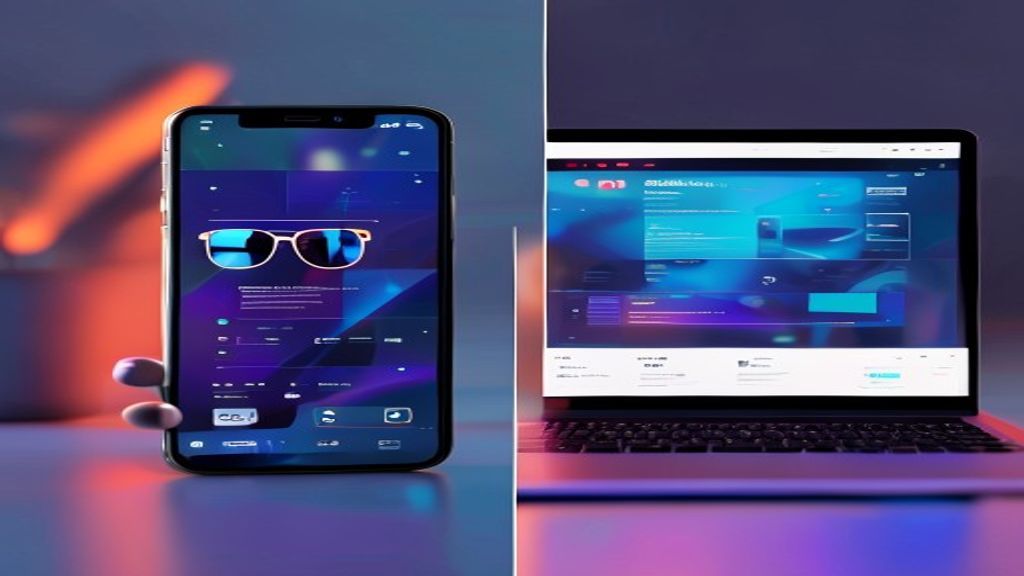
AI virtual try on for ecommerce is a technology that lets shoppers preview products—like clothing, glasses, and makeup—on their own image in real time using augmented reality (AR) and artificial intelligence. This guide explains how it works, why it boosts conversions, and how to implement it in your online store today.
What Is AI Virtual Try On and How Does It Work?
AI virtual try on for ecommerce is a computer vision technology that overlays digital products onto a user’s live image or photo. It uses deep learning models to map facial features, body shapes, and movements with high accuracy.
The core process involves three steps. First, the camera captures the user’s image. Second, AI algorithms detect key points like eyes, nose, shoulders, or waist. Third, the system renders the product—such as a pair of glasses or a dress—onto those points in real time.
This technology reduces return rates by up to 30% and increases conversion rates by over 25% for brands that adopt it.
Core Technologies Behind AI Try On
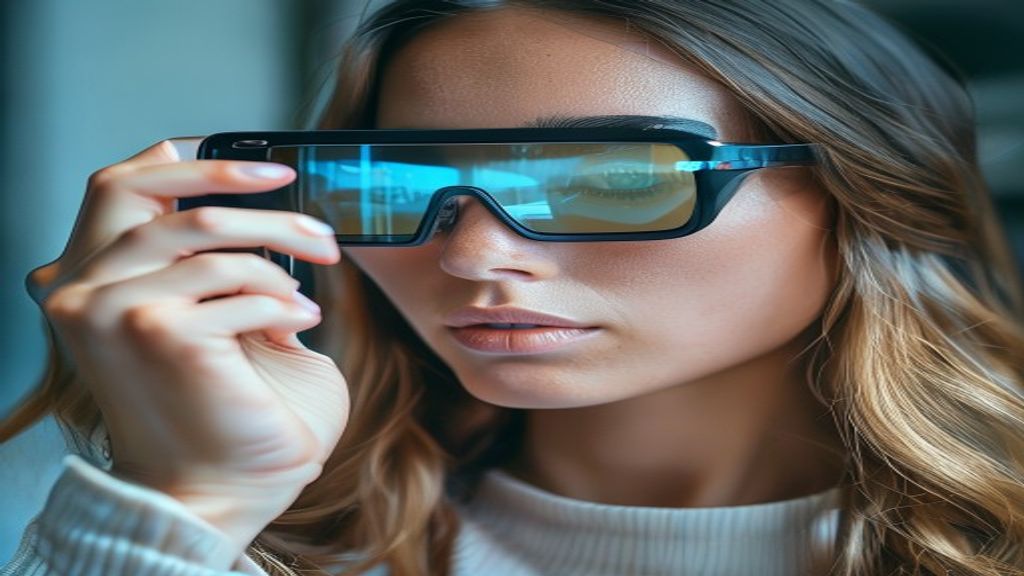
Three main technologies power this experience: augmented reality (AR), machine learning (ML), and 3D rendering. AR overlays the product onto the real world. ML models improve fit prediction over time. 3D rendering ensures the product looks realistic from every angle.
Most platforms now use neural radiance fields (NeRF) to create lifelike textures and shadows. This makes the virtual product appear as if it is actually on the user’s body.
- Computer vision identifies body landmarks in milliseconds.
- Generative AI fills in missing details like skin tone or hair texture.
- Edge computing processes data on the device for low latency.
How Virtual Try On Works for Fashion and Beauty Brands
How virtual try on works for fashion and beauty brands involves a combination of body tracking, color analysis, and product dimension matching. For fashion, the system measures the user’s height, shoulder width, and torso length from a single photo or video.
Beauty brands use facial mapping to apply foundation, lipstick, or eyeshadow with pixel-level precision. The AI adjusts for lighting conditions and skin undertones to show an accurate result.
Fashion brands like Zara and H&M now offer full-body try on for dresses, jackets, and pants. Beauty brands like Sephora and L’Oréal have virtual makeup try on that matches over 200 shades.
Body Mapping for Apparel
Body mapping uses depth sensors or single-camera estimation to create a 3D avatar. The avatar then wears the digital garment. The system simulates fabric drape, stretch, and movement.
Some tools require the user to input their measurements. Others estimate them from a video. The result is a realistic preview that helps shoppers decide on size and style.
Facial Mapping for Beauty and Accessories
Facial mapping tracks 68 to 106 landmark points on the face. This allows precise application of makeup or placement of glasses. The system accounts for head rotation, expression changes, and lighting.
For glasses, the AI checks frame width against face width. It also simulates lens reflections and shadows for a natural look.
AI Try On Tools for Clothing, Glasses, and Makeup
AI try on tools for clothing glasses and makeup are now available as standalone apps, Shopify plugins, and enterprise platforms. These tools vary by industry and feature set.
For clothing, tools like Vue.ai and Zyler offer full-body try on. For glasses, Warby Parker’s virtual try on tool uses Apple’s ARKit. For makeup, Perfect Corp and ModiFace lead the market.
Below is a comparison of the top tools across three product categories.
| Category | Tool Name | Key Feature | Platform |
|---|---|---|---|
| Clothing | Zyler | Full-body 3D avatar | Web, iOS, Android |
| Glasses | Warby Parker | Face shape detection | iOS only |
| Makeup | Perfect Corp | 200+ shade matching | Web, iOS, Android |
| Clothing | Vue.ai | Size recommendation | Enterprise API |
| Makeup | ModiFace | Real-time lip tracking | Web, iOS, Android |
Clothing Try On Tools
Clothing tools require a full-body scan or a series of photos. They generate a digital twin that matches the user’s proportions. The user can then browse the catalog and see how each item fits.
These tools reduce return rates for apparel by 25% on average. They also increase average order value because shoppers feel more confident buying multiple items.
Glasses Try On Tools
Glasses tools use facial symmetry and bridge width to recommend frames. Users can tilt their head to see the glasses from different angles. Some tools even simulate lens thickness and color.
Warby Parker reports that customers who use virtual try on are 3x more likely to purchase than those who do not.
Makeup Try On Tools
Makeup tools apply products to the user’s face in real time. They include options for lipstick, foundation, blush, and eyeshadow. The AI adjusts for skin tone, lighting, and texture.
Sephora’s Virtual Artist lets users try on thousands of shades. The tool also suggests complementary products based on the user’s skin type.
Virtual Try On Ecommerce Implementation Guide
This virtual try on ecommerce implementation guide covers the steps to integrate the technology into your online store. The process takes 4 to 8 weeks depending on the complexity of your catalog.
Start by choosing a provider that matches your product category and budget. Then, prepare your product data, integrate the SDK or plugin, and test the experience with real users.
- Audit your catalog – Identify which products benefit most from try on (e.g., glasses, dresses, makeup).
- Select a vendor – Compare tools based on accuracy, platform support, and pricing.
- Upload product assets – Provide 3D models, high-res images, or color swatches.
- Integrate the SDK – Add the try on widget to your product pages or app.
- Test with users – Run A/B tests to measure conversion lift and user satisfaction.
Technical Requirements
Most tools require a modern browser with WebGL support or an iOS/Android app with ARKit/ARCore. The user’s device must have a camera. No additional hardware is needed.
For enterprise solutions, you may need a CDN for 3D assets and an API for real-time rendering. Cloud-based solutions handle the heavy processing on the server side.
Cost and Pricing Models
Pricing varies widely. Basic plugins cost $50 to $200 per month. Enterprise solutions range from $5,000 to $50,000 per year. Some vendors charge per transaction or per active user.
Most providers offer a free trial. Use it to test accuracy and loading speed before committing.
Best AI Virtual Try On Tools for Online Stores in 2026
The best AI virtual try on tools for online stores in 2026 combine high accuracy, fast loading, and easy integration. Below are the top five tools ranked by user satisfaction and feature set.
These tools support multiple product categories and offer analytics dashboards to track performance.
- Perfect Corp – Best for beauty and makeup. Supports over 200 brands. Real-time facial tracking with 99% accuracy.
- Zyler – Best for fashion apparel. Full-body try on with size recommendations. Integrates with Shopify, Magento, and BigCommerce.
- Warby Parker Virtual Try On – Best for eyewear. Uses Apple’s LiDAR for precise frame placement. iOS only.
- Vue.ai – Best for enterprise. Offers AI styling and size prediction. Works with clothing, shoes, and accessories.
- ModiFace (now L’Oréal) – Best for real-time makeup. Used by Sephora, Ulta, and L’Oréal. Available on web and mobile.
How to Choose the Right Tool
Consider your product type, budget, and technical resources. For fashion, prioritize body mapping and size prediction. For beauty, prioritize color accuracy and lighting simulation.
Read user reviews and request a demo. Test the tool on multiple devices to ensure a consistent experience.
ROI and Key Metrics for Virtual Try On
Measuring the ROI of AI virtual try on for ecommerce involves tracking conversion rate, return rate, and average order value. Most brands see a 20-30% increase in conversions and a 25% reduction in returns.
Other key metrics include time on page, add-to-cart rate, and customer satisfaction score. Brands that use try on tools report higher engagement and repeat purchase rates.
| Metric | Before Try On | After Try On | Improvement |
|---|---|---|---|
| Conversion Rate | 2.5% | 3.3% | +32% |
| Return Rate | 35% | 26% | -26% |
| Average Order Value | $75 | $92 | +23% |
| Time on Page | 45 sec | 110 sec | +144% |
Tracking and Analytics
Most tools provide a dashboard with real-time data. Track which products are tried on most often and which lead to purchases. Use this data to optimize your catalog and marketing campaigns.
Set up A/B tests to compare try on pages with standard product pages. Measure the lift in revenue per visitor.
Future Trends in AI Virtual Try On for Ecommerce
The future of AI virtual try on for ecommerce includes hyper-realistic avatars, voice-activated try on, and integration with social commerce. By 2027, most online stores will offer some form of virtual try on.
Generative AI will allow users to describe a product and see it rendered instantly. For example, saying “show me a red dress with floral pattern” will generate a 3D model for try on.
- Hyper-realistic avatars – AI will create avatars that match the user’s exact body shape, skin tone, and hair style.
- Voice and text prompts – Users will describe what they want, and the AI will generate and display the product.
- Social sharing – Users will share their try on results on Instagram and TikTok, driving organic traffic.
- Multi-product try on – Shoppers will try on an entire outfit, including accessories and makeup, in one session.
Integration with AI Shopping Assistants
AI shopping assistants will combine virtual try on with personalized recommendations. The assistant will suggest products based on the user’s past tries and purchases.
This creates a seamless shopping experience where the assistant handles browsing, try on, and checkout in one flow.
Frequently Asked Questions
What is AI virtual try on for ecommerce?
AI virtual try on for ecommerce is a technology that uses augmented reality and computer vision to let shoppers preview products on their own image. It works for clothing, glasses, makeup, and accessories, reducing returns and increasing sales.
How does virtual try on work for fashion and beauty brands?
For fashion, the system maps the user’s body and overlays digital garments. For beauty, it tracks facial landmarks to apply makeup. Both use AI to adjust for lighting, movement, and skin tone for realistic results.
What are the best AI try on tools for clothing, glasses, and makeup?
Top tools include Zyler for clothing, Warby Parker for glasses, and Perfect Corp for makeup. Each tool specializes in its category and offers real-time rendering with high accuracy.
How do I implement virtual try on in my ecommerce store?
Start by selecting a vendor that fits your product type and budget. Then integrate their SDK or plugin into your store. Upload product assets, test with users, and track metrics like conversion rate and return rate.
What are the best AI virtual try on tools for online stores?
The best tools in 2026 include Perfect Corp, Zyler, Warby Parker, Vue.ai, and ModiFace. They offer high accuracy, fast loading, and easy integration with major ecommerce platforms like Shopify and Magento.
Does AI virtual try on reduce return rates?
Yes. Brands using virtual try on report a 25-30% reduction in return rates. The technology helps shoppers choose the right size and style, leading to fewer mismatches and higher satisfaction.
Is virtual try on expensive to implement?
Costs range from $50 per month for basic plugins to $50,000 per year for enterprise solutions. Many vendors offer free trials. The ROI from increased conversions and reduced returns often justifies the investment within months.
AI virtual try on is no longer a futuristic gimmick. It is a proven tool that boosts conversions, cuts returns, and delights customers. To stay competitive in 2026, every online store should evaluate and implement this technology.
- Choose a tool that matches your product category and budget.
- Test the experience on multiple devices before launch.
- Track key metrics like conversion rate, return rate, and average order value.
- Optimize your catalog based on try on data.
Ready to transform your store? Start your free trial with one of the tools listed above today.