
AI Product Photography For Print On Demand Sellers 2026 Guide
The landscape of e-commerce is constantly evolving, and for print on demand (POD) sellers, standing out requires innovative solutions. AI product photography for print on demand sellers has emerged as a game-changer, offering a powerful way to create stunning, professional-grade product visuals without the traditional costs and complexities of photoshoots. This guide explores how artificial intelligence is revolutionizing the creation of mockups and product photos, enabling POD entrepreneurs to enhance their online stores, captivate customers, and significantly boost sales in 2026 and beyond. By leveraging AI, sellers can effortlessly generate diverse, high-quality images that accurately represent their designs on a myriad of products, from apparel to homeware, making their offerings irresistible to potential buyers.
The Rise of AI in Print on Demand Mockup Creation
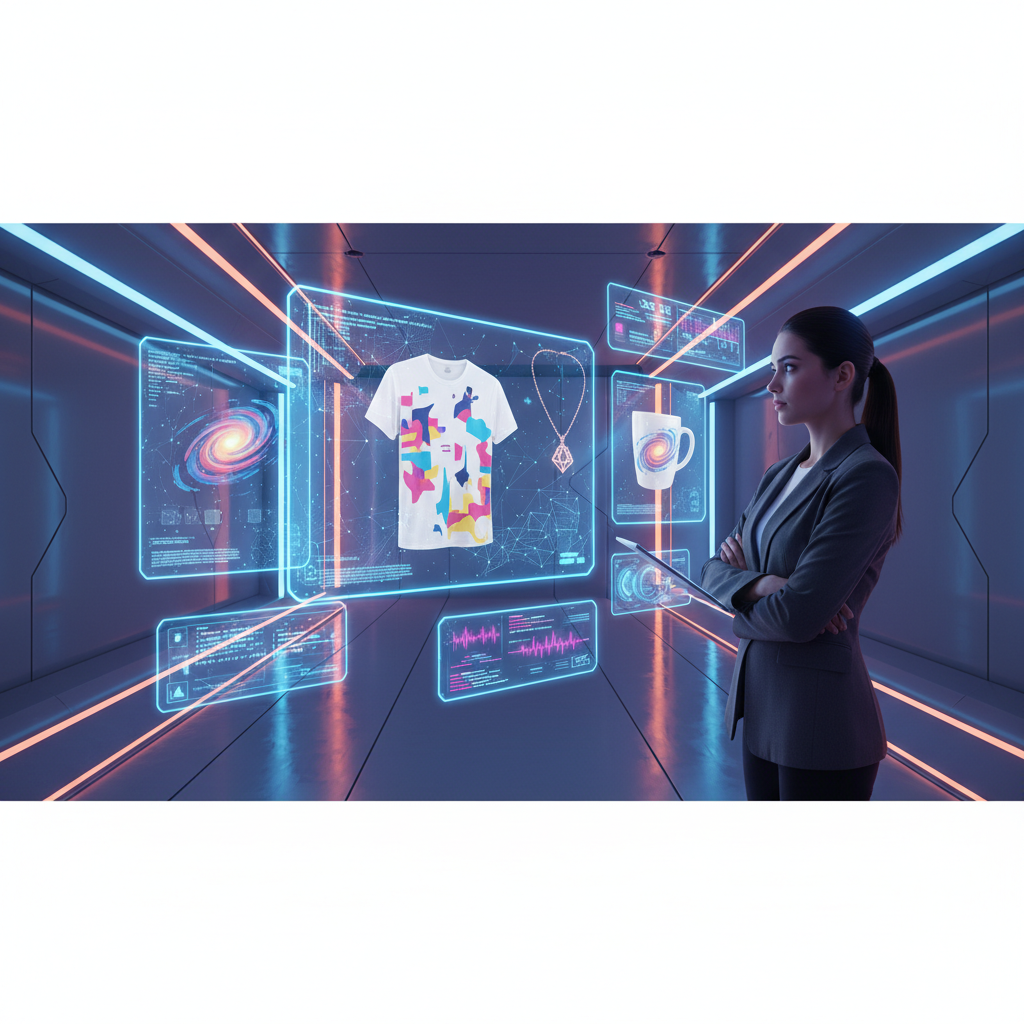
AI is rapidly transforming how print on demand sellers approach product visualization, offering unprecedented efficiency and creativity in generating mockups. Artificial intelligence in this context refers to sophisticated algorithms and machine learning models that can analyze design inputs and generate realistic, high-quality product images, simulating how a design would look on a physical item. This technology eliminates the need for physical samples and expensive photoshoots, democratizing professional product imagery for all POD entrepreneurs. The ability to quickly produce diverse mockups allows sellers to test various product presentations and respond to market trends with agility.
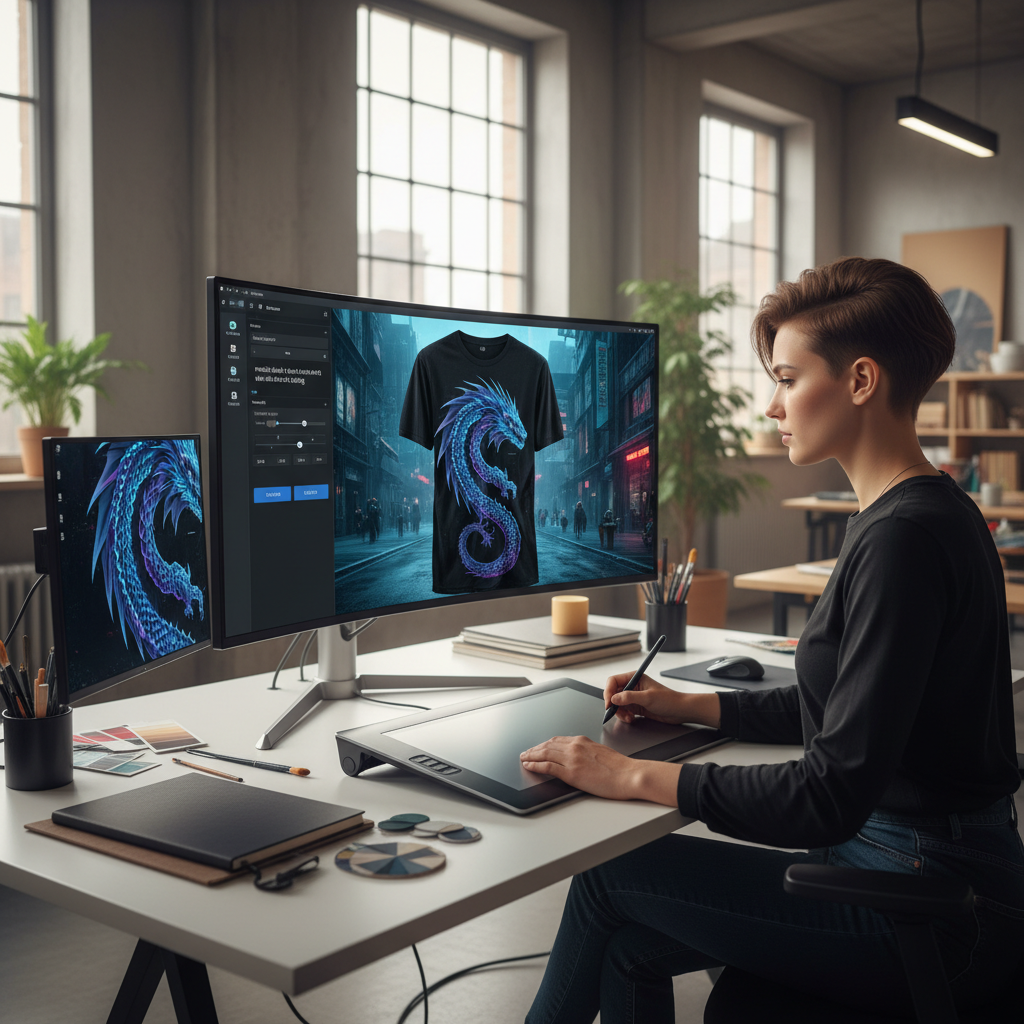
The integration of AI tools into the print on demand workflow provides significant advantages, particularly in reducing time-to-market and operational costs. Instead of waiting weeks for samples to arrive and then organizing a photoshoot, sellers can now generate hundreds of unique mockups in minutes. This speed is crucial in a fast-paced e-commerce environment where trends can emerge and fade quickly. Furthermore, AI tools often come with extensive libraries of models, backgrounds, and scenarios, offering a level of diversity that would be impractical to achieve through traditional photography.
How AI Transforms Product Visuals for POD
AI transforms product visuals for print on demand by automating the complex process of image generation, allowing sellers to create professional-grade photos with minimal effort. These intelligent systems can place a digital design onto a chosen product template, adjusting for lighting, shadows, fabric texture, and perspective to create a hyper-realistic image. This means a single design can be showcased on numerous product types and in various lifestyle settings, appealing to a broader customer base. The AI’s ability to render intricate details ensures that the final mockup accurately reflects the quality and appearance of the eventual physical product.
Key Benefits of AI for Print on Demand Sellers
The key benefits of AI for print on demand sellers include substantial cost savings, accelerated production cycles, and enhanced creative flexibility. By eliminating the need for professional photographers, models, and studio rentals, AI significantly reduces overhead expenses. The speed at which AI can generate mockups allows sellers to launch new products and campaigns much faster, gaining a competitive edge. Moreover, AI tools empower sellers to experiment with countless visual styles and scenarios, fostering greater creativity without additional financial risk. This leads to more engaging product listings and, ultimately, higher conversion rates for their online stores.
Leveraging AI for Creating Product Mockups for Printful and Printify
Leveraging AI for creating product mockups for Printful and Printify is essential for sellers aiming to optimize their listings on these popular platforms. Many AI tools are specifically designed with integrations or export options compatible with the requirements of major print on demand providers. This ensures that the generated mockups meet the resolution, aspect ratio, and file format specifications needed for seamless uploading to your Printful or Printify stores. Utilizing AI for these platforms streamlines the visual content creation process, allowing sellers to focus more on design and marketing.
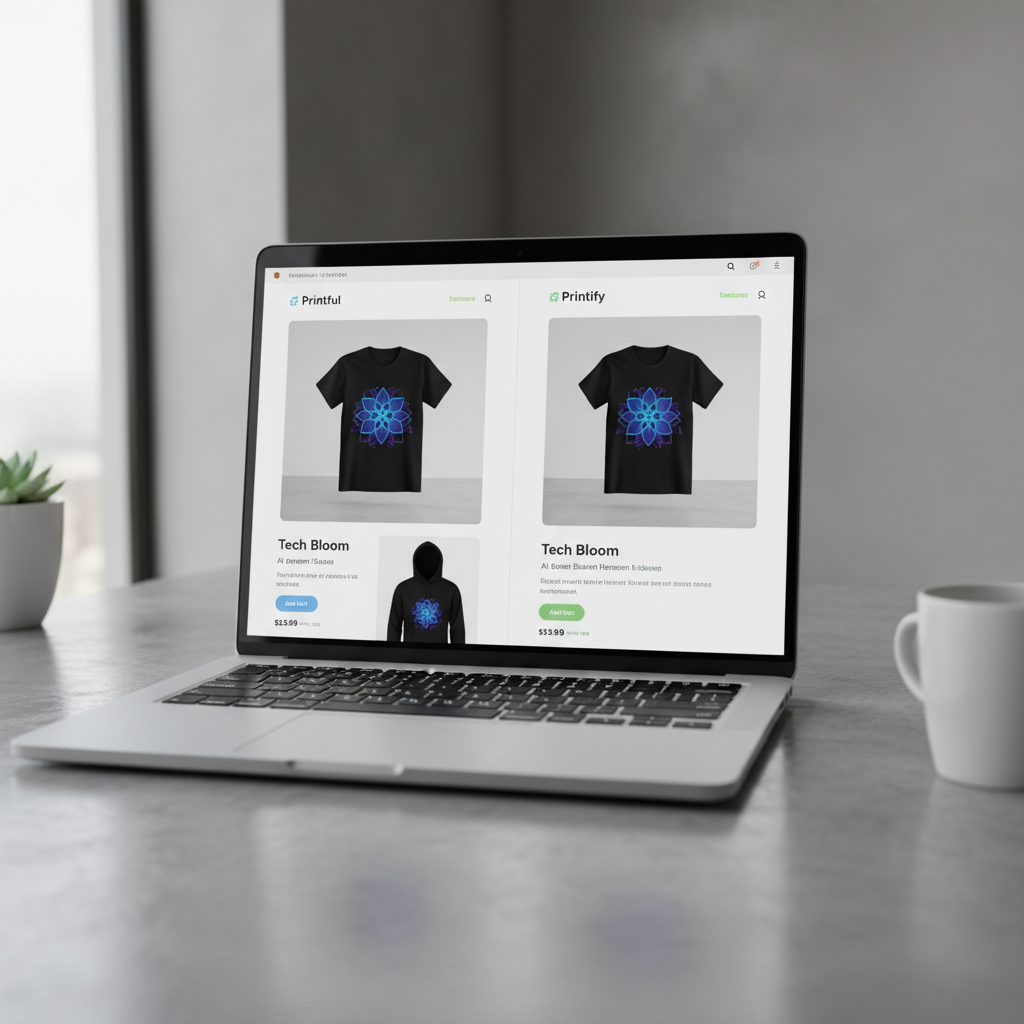
The ability of AI to generate diverse mockups is particularly beneficial for Printful and Printify sellers who offer a wide range of products. From t-shirts and hoodies to mugs and phone cases, each product type requires compelling visuals. AI can quickly adapt a single design across these varied items, maintaining brand consistency while showcasing the product effectively. This versatility means sellers can populate their stores with rich, engaging content much faster than manual methods would allow, leading to a more comprehensive and attractive product catalog.
Generating Realistic Apparel Mockups for Top POD Platforms
Generating realistic apparel mockups for top POD platforms like Printful and Printify is made significantly easier and more effective with AI. These AI for creating product mockups for Printful and Printify tools can render designs on various garment types, including t-shirts, hoodies, tank tops, and sweatshirts, with incredible realism. They account for fabric wrinkles, draping, and lighting conditions, making the digital mockup almost indistinguishable from a real photograph. Sellers can choose from a vast library of models, poses, and backgrounds to create lifestyle images that resonate with their target audience, enhancing the perceived value of their apparel.
Streamlining Homeware and Accessory Mockups with AI
Streamlining homeware and accessory mockups with AI offers print on demand sellers a powerful way to present non-apparel items attractively. Whether it’s mugs, phone cases, tote bags, or pillows, AI can generate high-quality product photos that highlight the design on these items. The AI for creating mug and homeware print on demand product photos capabilities ensure that designs are accurately scaled and positioned on diverse products, often within appealing home or lifestyle settings. This not only saves time but also provides a consistent visual brand experience across an entire product line, crucial for building customer trust and recognition.
Advanced AI for Generating T-Shirt and Apparel Print on Demand Mockups
Advanced AI for generating t-shirt and apparel print on demand mockups provides unparalleled realism and customization options for sellers. These sophisticated AI platforms move beyond simple overlays, employing generative adversarial networks (GANs) and other deep learning techniques to create entirely new, photorealistic images of apparel featuring your designs. This means the AI doesn’t just place your design on a pre-existing photo; it can generate a unique scene, model, and garment texture from scratch, making each mockup truly original and tailored. The result is product imagery that looks professionally shot and highly engaging to potential customers.
The evolution of AI in this domain has introduced features such as dynamic lighting adjustments, fabric texture simulation, and even the ability to change model demographics or poses. This level of control allows print on demand sellers to create highly targeted visuals that appeal directly to specific niches or demographics within their customer base. For instance, a seller targeting fitness enthusiasts could generate mockups featuring athletic models in gym settings, while another targeting casual wear could opt for models in relaxed, everyday environments. This precision in visual storytelling significantly enhances marketing efforts and product appeal.
Customizing T-Shirt Designs with AI-Powered Mockup Generators
Customizing t-shirt designs with AI-powered mockup generators offers print on demand sellers immense flexibility and creative control. These tools allow for precise placement and scaling of designs, ensuring they look perfect on various t-shirt styles, colors, and sizes. Beyond basic placement, advanced AI features enable adjustments to how the design interacts with the fabric, such as simulating screen print textures, embroidery, or distressed effects. This level of detail ensures that the final mockup accurately represents the intended product, helping manage customer expectations and reduce returns.
Beyond T-Shirts: AI for Hoodies, Sweatshirts, and More
AI for generating t-shirt and apparel print on demand mockups extends far beyond just t-shirts, encompassing a wide array of clothing items like hoodies, sweatshirts, tank tops, and even activewear. The technology adapts seamlessly to different garment types, accounting for their unique cuts, materials, and how they drape on a body. This versatility means a single AI tool can handle the visual needs of an entire apparel line, ensuring consistency in branding and image quality across all products. This comprehensive capability is invaluable for sellers looking to expand their offerings without increasing their photography budget.
Mastering AI for Creating Mug and Homeware Print on Demand Product Photos
Mastering AI for creating mug and homeware print on demand product photos empowers sellers to present their non-apparel items with the same level of polish and professionalism as their clothing lines. AI tools excel at rendering designs onto cylindrical objects like mugs, ensuring accurate perspective and distortion correction. For homeware items such as pillows, blankets, or wall art, AI can place designs within realistic interior settings, complete with appropriate lighting and shadows. This capability allows sellers to showcase how their products fit into a customer’s home environment, making them more tangible and desirable.
The key to effective AI-generated homeware photos lies in the diversity of scenes and props available within the AI platforms. Sellers can choose from cozy living rooms, modern kitchens, minimalist bedrooms, or outdoor patio settings to best complement their product’s aesthetic. This contextualization helps customers visualize the product in use, fostering an emotional connection and increasing purchase intent. Furthermore, AI can generate multiple angles and close-ups, providing a comprehensive view of the product that addresses common customer queries about quality and detail.
Crafting Engaging Mug Mockups with Artificial Intelligence
Crafting engaging mug mockups with artificial intelligence involves leveraging AI to place custom designs onto various mug styles, from ceramic to travel mugs, in appealing settings. The AI for creating mug and homeware print on demand product photos ensures that the design wraps realistically around the curvature of the mug, avoiding flatness or distortion often seen in basic mockups. Sellers can select backgrounds ranging from a warm coffee shop ambiance to a clean, minimalist studio, enhancing the product’s perceived value. This attention to detail creates highly professional and attractive images that stand out in a crowded marketplace.
Enhancing Homeware Product Photography Using AI Tools
Enhancing homeware product photography using AI tools provides print on demand sellers with the ability to create stunning visuals for items like throw pillows, blankets, shower curtains, and even pet beds. AI can realistically integrate designs onto these varied surfaces, simulating fabric textures, folds, and how light interacts with them. Beyond simple product shots, AI can generate lifestyle images showing these items in beautifully decorated rooms, helping customers envision the products in their own homes. This advanced capability allows for a consistent and high-quality visual presentation across an entire homeware collection, boosting brand appeal.
Exploring AI Mockup Tools for Print on Demand Jewelry and Accessories
Exploring AI mockup tools for print on demand jewelry and accessories opens up new avenues for presenting intricate and delicate items with sophistication. Traditional photography for jewelry is notoriously challenging, requiring specialized lighting, macro lenses, and skilled retouchers. AI bypasses these hurdles by generating high-resolution, detailed images of jewelry pieces, showcasing their sparkle, texture, and unique design elements. These tools can place digital renderings of necklaces, bracelets, earrings, and rings onto models or elegant display stands, providing a polished and professional look without the logistical complexities.
The precision of AI in handling small, reflective objects like jewelry is particularly impressive. It can accurately simulate reflections, refractions, and the way light catches different facets of a gem or polished metal. This level of detail is crucial for jewelry, where customers often scrutinize the craftsmanship and material quality. Furthermore, AI can generate a variety of backgrounds, from minimalist white to luxurious velvet, allowing sellers to match the visual presentation to their brand’s aesthetic and target market. This capability ensures that even the most intricate accessory designs are presented in their best light.
Showcasing Jewelry with AI-Generated Lifestyle Mockups
Showcasing jewelry with AI-generated lifestyle mockups allows print on demand sellers to present their pieces in a relatable and aspirational context. AI mockup tools for print on demand jewelry and accessories can place necklaces on models, earrings on diverse ear types, or bracelets on wrists, often within a lifestyle setting such as a café, a beach, or an evening event. These lifestyle images help customers envision themselves wearing the jewelry, making the product more appealing and increasing the likelihood of a purchase. The AI’s ability to generate varied model types and poses further enhances the reach and relatability of the visuals.
AI for Dynamic Accessory Product Visuals
AI for dynamic accessory product visuals extends beyond jewelry to encompass items like phone cases, tote bags, hats, and keychains. These AI mockup tools can create compelling images that highlight the design and functionality of each accessory. For phone cases, AI can show the design on various phone models in different hands or settings. For tote bags, it can display the bag being carried, perhaps with a slight drape or filled with items, adding realism. This dynamic presentation helps customers understand the product’s scale, texture, and how it might be used in their daily lives, providing a richer shopping experience.
Choosing the Best AI Product Photography Tools for Your POD Business
Choosing the best AI product photography tools for your print on demand business requires careful consideration of features, pricing, ease of use, and compatibility with your existing workflow. The “best” tool will vary depending on your specific product niche, budget, and technical comfort level. It’s crucial to look for platforms that offer a wide range of product templates relevant to your inventory, diverse model and background options, and intuitive design interfaces. Many providers offer free trials, which are excellent opportunities to test the tool’s capabilities and determine if it meets your visual content needs.
When evaluating AI tools, also consider the quality of the output. While many tools promise realism, some produce more convincing and high-resolution images than others. Check for features like advanced lighting controls, shadow generation, and texture mapping, which contribute significantly to the photorealism of the mockups. Customer support and community resources can also be important factors, especially if you anticipate needing assistance or want to learn best practices from other users. Investing time in research now can save significant effort and improve the quality of your product listings in the long run.
Essential Features in AI Mockup Generators
Essential features in AI mockup generators for print on demand sellers include a vast library of product templates, diverse model and background options, and robust customization capabilities. High-quality tools should offer:
* Realistic Rendering: Ability to accurately simulate fabric textures, lighting, and shadows.
* Design Placement Control: Precise scaling, rotation, and positioning of designs on products.
* Scene Customization: Options to adjust backgrounds, props, and environmental elements.
* High-Resolution Output: Generating images suitable for web and potentially print use.
* Batch Processing: Ability to create multiple mockups simultaneously.
* Integration Options: Compatibility with POD platforms like Printful and Printify.
These features ensure that you can create versatile, professional, and brand-consistent visuals for all your products.
Comparing Leading AI Photography Platforms
Comparing leading AI photography platforms for print on demand involves evaluating their unique strengths and pricing models.
| Feature | Platform A (e.g., Placeit AI) | Platform B (e.g., Mockup AI) | Platform C (e.g., Smartmockups AI) |
|---|---|---|---|
| Product Template Variety | Extensive (apparel, homeware, accessories) | Good (strong in apparel, growing homeware) | Very Good (balanced across categories) |
| Realism Quality | High, excellent lifestyle shots | Very High, especially for fabric textures | High, good for studio and lifestyle |
| Customization Options | Moderate (pre-set scenes, some adjustments) | Advanced (lighting, shadows, model changes) | Good (backgrounds, object manipulation) |
| Ease of Use | Very User-Friendly, intuitive interface | Moderate, requires some learning | User-Friendly, good tutorials |
| Pricing Model | Subscription-based (unlimited downloads) | Credit-based or tiered subscription | Subscription or one-time purchases |
| Integration | Download & Upload manually | API access for advanced users | Direct integration with some POD platforms |
This table provides a general comparison; always check the latest features and reviews for the most current information.
Future Trends and Best Practices in AI Print on Demand Photography
Future trends in AI print on demand photography point towards even greater realism, personalization, and integration within e-commerce ecosystems. We can anticipate AI tools offering more dynamic and interactive mockups, such as 3D product views that customers can rotate and zoom, or augmented reality (AR) features that allow buyers to “try on” apparel or “place” homeware items in their own space virtually. The AI will become increasingly sophisticated in understanding design aesthetics and brand guidelines, enabling it to generate mockups that perfectly align with a seller’s unique visual identity without extensive manual input.
Another significant trend will be the hyper-personalization of product visuals. AI could potentially generate unique mockups for individual customers based on their browsing history, demographic data, or expressed preferences. Imagine a customer seeing a t-shirt design on a model that closely resembles them, or a mug in a kitchen setting similar to their own. This level of personalized visual marketing will significantly enhance engagement and conversion rates. Furthermore, the ethical considerations around AI-generated models and authenticity will continue to evolve, with a focus on transparency and responsible AI usage.
Integrating AI into Your POD Workflow
Integrating AI into your POD workflow involves a few key steps to maximize efficiency and impact.
1. Identify Your Needs: Determine which product types and visual styles are most crucial for your brand.
2. Choose the Right Tool: Select an AI platform that aligns with your budget, technical skills, and desired output quality.
3. Standardize Your Designs: Ensure your design files are high-resolution and properly formatted for AI integration.
4. Batch Process: Utilize batch generation features to create multiple mockups quickly.
5. A/B Test: Experiment with different mockups to see which perform best with your audience.
6. Regularly Update: Keep your product visuals fresh by leveraging new AI features and trends.
Following these steps will ensure a smooth and effective integration of AI into your print on demand business.
Ethical Considerations and Authenticity in AI Photography
Ethical considerations and authenticity in AI photography are becoming increasingly important as the technology advances. While AI offers incredible benefits, sellers must be mindful of transparency. It’s crucial to ensure that AI-generated models or scenarios do not mislead customers about the actual product or its appearance. Maintaining authenticity means using AI to enhance, not distort, reality. Sellers should strive for mockups that accurately represent the product’s design, color, and texture, avoiding overly idealized or unrealistic portrayals. Responsible AI usage also involves considering the diversity and representation of AI-generated models to ensure inclusivity and avoid perpetuating stereotypes.
The future of print on demand is undoubtedly intertwined with artificial intelligence, particularly in the realm of product photography. For sellers, embracing AI tools offers a transformative opportunity to elevate their brand, streamline operations, and connect more effectively with their audience.
Here are the key takeaways for print on demand sellers:
* AI product photography significantly reduces costs and time associated with traditional photoshoots.
* Tools for AI for creating product mockups for Printful and Printify offer seamless integration for popular POD platforms.
* Advanced AI for generating t-shirt and apparel print on demand mockups provides hyper-realistic and customizable visuals.
* AI for creating mug and homeware print on demand product photos enables professional presentation of non-apparel items.
* Specialized AI mockup tools for print on demand jewelry and accessories unlock sophisticated visual marketing for intricate products.
* Careful selection of AI tools based on features, compatibility, and quality is crucial for success.
* Future trends suggest even more personalized and interactive AI-generated content.
* Ethical considerations regarding authenticity and representation must guide AI adoption.
By incorporating these AI-powered strategies, print on demand sellers can create compelling, high-quality product visuals that captivate customers and drive sales. Start exploring the power of AI today to transform your online store and stay ahead in the competitive e-commerce landscape.
What is AI product photography for print on demand sellers?
AI product photography for print on demand sellers refers to using artificial intelligence tools and software to automatically generate realistic, high-quality product images and mockups for items like t-shirts, mugs, and accessories. This eliminates the need for physical product samples and traditional photoshoots, saving time and money while providing diverse visual options.
Can AI create mockups for specific POD platforms like Printful?
Yes, many AI tools are designed to create product mockups compatible with leading print on demand platforms such as Printful and Printify. They ensure the generated images meet the necessary specifications for resolution and aspect ratio, allowing for easy uploading and seamless integration into your store listings. This streamlines the visual content creation process significantly.
How realistic are AI-generated apparel mockups?
AI-generated apparel mockups are highly realistic, often indistinguishable from actual photographs. Advanced AI for generating t-shirt and apparel print on demand mockups can simulate fabric textures, wrinkles, lighting, and shadows, making the digital design appear naturally integrated onto the garment. This realism helps customers visualize the product accurately.
Is AI suitable for generating mug and homeware product photos?
Absolutely. AI for creating mug and homeware print on demand product photos excels at rendering designs onto various homeware items. It can accurately place designs on curved surfaces like mugs and integrate them into realistic interior settings for items such as pillows or wall art, providing appealing and contextualized product visuals.
Are there AI mockup tools for print on demand jewelry and accessories?
Yes, specialized AI mockup tools for print on demand jewelry and accessories are available. These tools can generate detailed, high-resolution images of intricate items like necklaces, earrings, and phone cases. They effectively showcase design details, reflections, and textures, often placing the accessories on models or elegant displays for a professional look.
What are the main benefits of using AI for product photography in POD?
The main benefits include significant cost reduction by eliminating photoshoots, faster time-to-market due to rapid image generation, and enhanced creative flexibility through diverse mockup options. AI allows sellers to produce a vast array of high-quality visuals quickly and efficiently, improving product presentation and potentially boosting sales.
How can I ensure authenticity with AI-generated product photos?
To ensure authenticity, use AI tools that produce realistic and accurate representations of your designs. Avoid overly stylized or misleading images. Focus on showcasing the product’s true appearance, color, and texture. Also, consider diversity in AI-generated models and backgrounds to appeal to a broad audience without perpetuating stereotypes or misrepresenting your product.