

AI Product Photography For Handmade And Artisan Goods 2026 Guide
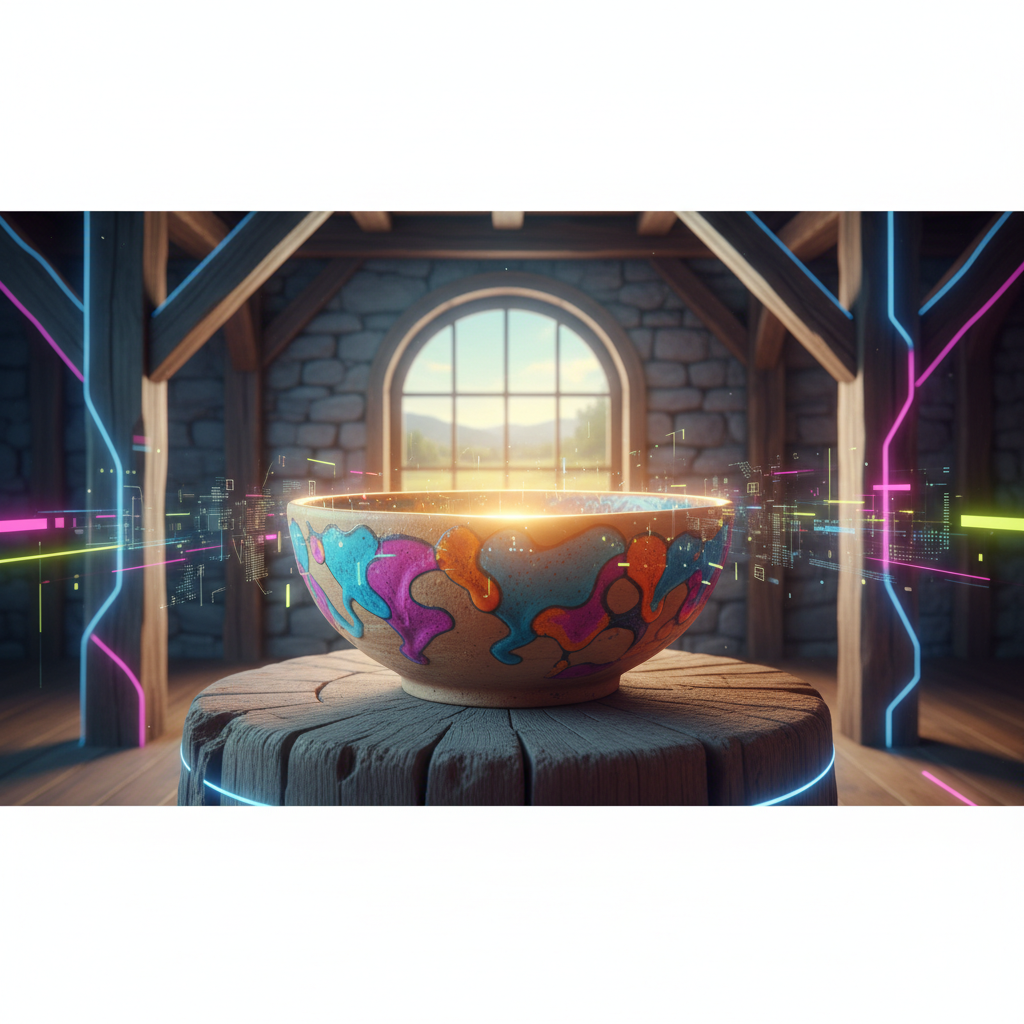
The landscape of e-commerce is constantly evolving, and AI product photography for handmade and artisan goods is emerging as a game-changer for small businesses. This innovative technology allows creators to generate stunning, professional-quality product images without the need for expensive equipment or elaborate studio setups. By leveraging artificial intelligence, artisans can transform simple snapshots into captivating visuals, making their unique products stand out in a crowded marketplace. This article explores how AI tools are empowering handmade sellers to enhance their online presence and compete effectively.
How AI Transforms Craft and Handmade Product Photos for Etsy Sellers
AI significantly transforms craft and handmade product photos for Etsy sellers by providing sophisticated tools that automate and enhance the image creation process. These tools allow artisans to achieve professional-grade visuals, even with limited photography skills or resources.
For many small business owners, especially those selling unique, handcrafted items on platforms like Etsy, high-quality product photography is a significant hurdle. Traditional photography requires investments in cameras, lighting, backdrops, and editing software, along with considerable time and skill. This is where AI for creating craft and handmade product photos for Etsy steps in, democratizing access to stunning visuals. AI-powered platforms can remove backgrounds, adjust lighting, and even generate entirely new scenes from a single product shot. This means a seller can take a basic photo with their smartphone and use AI to place their handmade jewelry on a beautifully styled wooden display or their custom pottery in a rustic kitchen setting. The result is a consistent, polished look across their entire product line, which is crucial for building brand trust and attracting buyers.
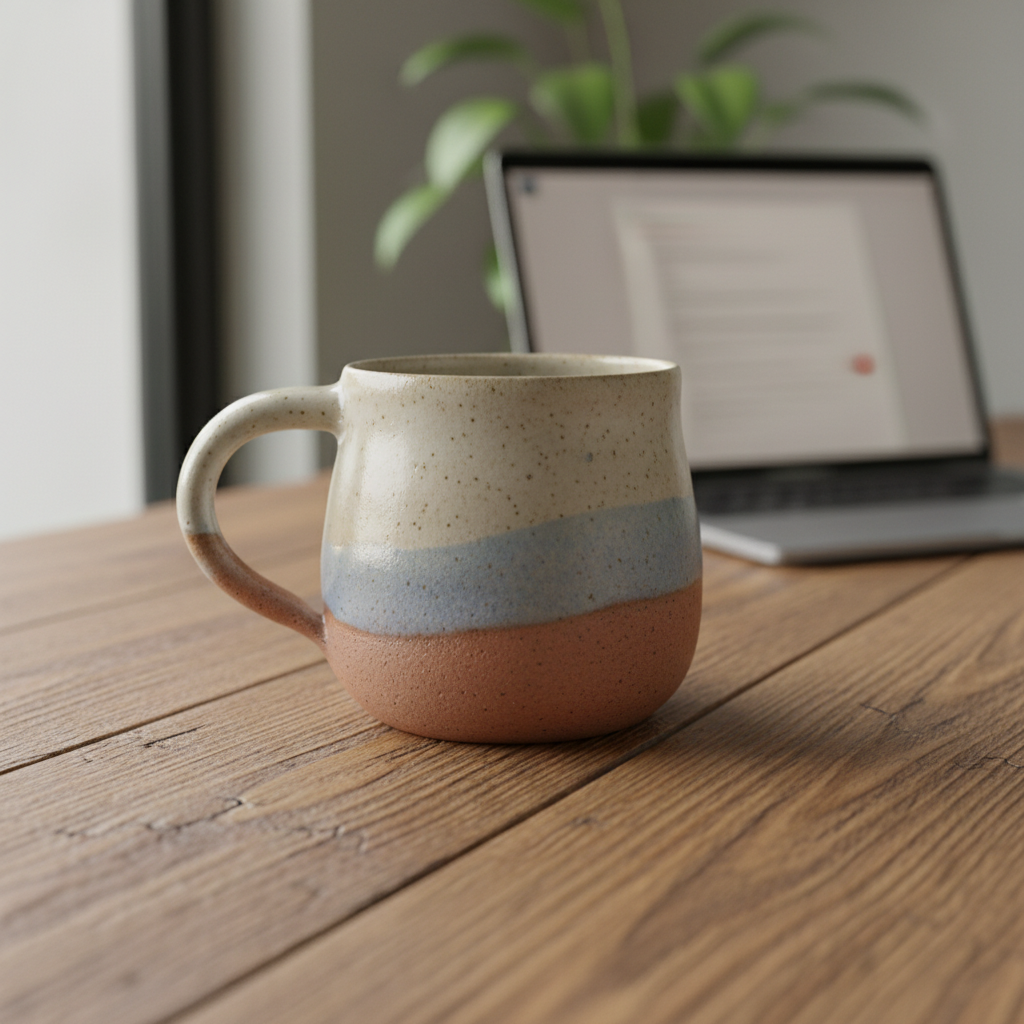
AI tools can also help to standardize image dimensions and optimize file sizes, ensuring faster loading times on e-commerce sites. Faster loading speeds contribute to a better user experience and can positively impact search engine rankings. Furthermore, AI can analyze existing product photos and suggest improvements, such as better angles or lighting, based on successful listings. This intelligent feedback loop helps artisans continually refine their visual marketing strategy. By automating these complex tasks, AI frees up valuable time for artisans to focus on what they do best: creating beautiful handmade goods. The ease of use and affordability of many AI solutions make them an indispensable asset for any Etsy seller looking to elevate their online presence.
Enhancing Visual Appeal for Online Marketplaces
AI tools elevate the visual appeal of handmade products by offering advanced editing capabilities that mimic professional studio results. Sellers can effortlessly remove distracting backgrounds, replacing them with clean, complementary scenes that highlight their craft. This process ensures that each product image is crisp, clear, and visually engaging, drawing immediate attention from potential customers.
Overcoming Photography Challenges for Artisans
Many artisans lack formal photography training or the budget for professional shoots. AI provides an accessible solution, allowing them to overcome common challenges like poor lighting, inconsistent backgrounds, and lack of styling expertise. With AI, a simple smartphone photo can be transformed into a high-resolution, beautifully lit image, making professional photography achievable for everyone.
How AI Helps Small Artisan Sellers Compete with Big Brands Visually
AI helps small artisan sellers compete with big brands visually by enabling them to produce high-quality, consistent product imagery that rivals the polished aesthetics of larger companies. This levels the playing field, allowing unique handmade items to shine.
In the past, large brands held a significant advantage in e-commerce due to their extensive marketing budgets, which included professional photography studios, models, and graphic designers. This allowed them to present their products with a consistent, high-end look that often overshadowed smaller sellers. However, how AI helps small artisan sellers compete with big brands visually is through its ability to democratize access to advanced visual content creation. AI-powered platforms can generate diverse product lifestyle images, virtual try-ons, and even video snippets from just a few initial product photos. This means an artisan selling handcrafted leather bags can generate images of their bag being used in various stylish settings, without ever leaving their workshop or hiring a single model. This capability allows small businesses to create a rich visual narrative around their products, something previously only achievable by well-funded corporations. The consistency in branding and the professional presentation that AI facilitates are key to building consumer trust and perceived value, directly impacting sales.
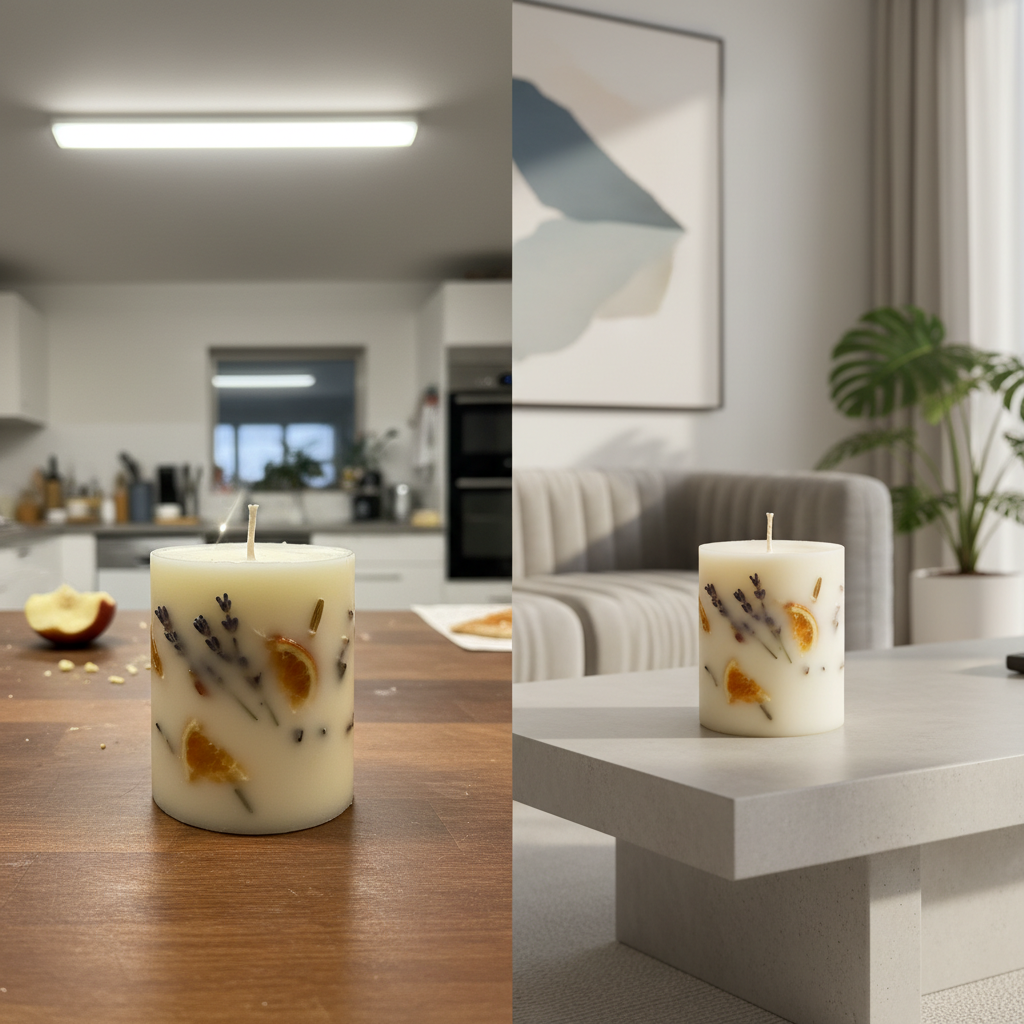
Furthermore, AI tools can help artisans quickly adapt to new visual trends and create seasonal content without additional costs. If a particular aesthetic is trending, AI can generate new backgrounds or props to match, keeping the product listings fresh and relevant. This agility is something even large brands struggle with due to their slower, more complex content pipelines. By reducing the time and cost associated with visual content creation, AI empowers small artisan sellers to allocate more resources to their craft and customer service, further strengthening their competitive edge. It’s not just about creating pretty pictures; it’s about creating impactful, strategic visual content that resonates with modern consumers.
Achieving Professional Polish on a Budget
AI tools offer an affordable alternative to traditional professional photography, allowing artisans to achieve a polished, high-end look without the hefty price tag. By automating complex editing tasks and generating realistic scenes, AI enables small sellers to present their products with the same visual quality as larger brands, making their offerings more appealing to discerning customers.
Creating Diverse and Engaging Visual Narratives
With AI, artisans can generate a wide array of lifestyle images and contextual scenes for their products, showcasing them in various settings and use cases. This capability helps build a compelling visual narrative around their handmade items, allowing customers to envision the products in their own lives. This rich visual storytelling fosters a deeper connection with the brand.
Creating Rustic and Organic Aesthetic Handmade Product Photos with AI
AI is exceptionally skilled at creating rustic and organic aesthetic handmade product photos by generating authentic textures, natural lighting, and complementary environmental elements. This allows artisans to perfectly match their product’s inherent style with its visual presentation.
Many handmade and artisan goods naturally lend themselves to a rustic or organic aesthetic, emphasizing natural materials, earthy tones, and a handcrafted feel. Capturing this essence photographically can be challenging, often requiring specific props, natural light, and carefully chosen backdrops. This is where AI for creating rustic and organic aesthetic handmade product photos becomes invaluable. AI platforms can generate backgrounds that perfectly evoke this desired mood, from weathered wooden surfaces and linen fabrics to soft, diffused natural light filtering through a window. Imagine a hand-knitted scarf placed on a virtual reclaimed wood table with a subtle shadow, or a handmade soap bar nestled amongst dried botanicals on a stone slab. AI can render these scenes with incredible realism, ensuring that the product’s natural charm and authenticity are amplified rather than diminished. The ability to customize these settings allows artisans to maintain a consistent brand identity that resonates deeply with their target audience.
AI tools can also simulate different types of natural lighting, such as golden hour glow or soft overcast light, which are crucial for achieving that warm, inviting rustic feel. Furthermore, they can introduce subtle imperfections or textures that add to the organic appeal, making the AI-generated images feel less sterile and more authentic. This level of detail and control allows artisans to precisely tailor their product presentation to their brand’s unique story. For example, a potter creating earthy stoneware can use AI to place their creations in a sun-drenched, minimalist studio setting, emphasizing the raw beauty of the clay. This capability not only saves time and money but also ensures that the visual output perfectly aligns with the artisan’s creative vision, reinforcing the handmade nature of their goods.
Simulating Natural Environments and Textures
AI excels at simulating natural environments and textures, which are essential for a rustic and organic aesthetic. It can generate realistic wooden surfaces, stone backdrops, linen fabrics, and natural foliage, providing the perfect stage for handmade goods. This simulation capability ensures that the product photos convey an authentic, earthy feel without the need for physical props.
Achieving Consistent Natural Lighting Effects
Consistent natural lighting is key to a cohesive rustic aesthetic. AI allows artisans to virtually adjust and apply various natural light settings, such as soft daylight, warm golden hour, or diffused window light. This ensures that every product photo maintains the desired mood and brightness, enhancing the organic feel across an entire product catalog.
AI Texture and Material Rendering for Handmade Product Photography
AI texture and material rendering for handmade product photography accurately reproduces the intricate details and tactile qualities of artisan goods, making digital images feel incredibly real and tangible. This technology is vital for showcasing the craftsmanship inherent in unique items.
One of the biggest challenges in online retail, particularly for handmade goods, is conveying the tactile quality and unique textures that make each item special. Customers want to see and almost feel the intricate weave of a hand-loomed textile, the subtle grain of a carved wooden piece, or the delicate brushstrokes on a painted ceramic. Traditional photography can struggle to capture these nuances without perfect lighting and high-resolution equipment. This is where AI texture and material rendering for handmade product photography shines. Advanced AI algorithms can analyze a basic image of a product and then intelligently enhance or even generate realistic textures, simulating how light interacts with different surfaces. This means the AI can accurately depict the softness of wool, the roughness of unglazed pottery, or the sheen of polished metal.
This capability is not just about making things look good; it’s about providing a more informative and immersive shopping experience. When a customer can clearly perceive the texture of a handmade item, they gain a better understanding of its quality and craftsmanship, reducing uncertainty and increasing purchase confidence. AI can also render materials under various lighting conditions, demonstrating how a product might look in different environments. For example, a leather wallet can be shown with its natural creases and subtle sheen under bright daylight, and then again with a softer, more matte appearance under indoor lighting. This level of detail helps bridge the gap between physical and digital browsing, allowing the unique character of each handmade item to truly stand out.
| Feature | Traditional Photography | AI Product Photography |
|---|---|---|
| Cost | High (equipment, studio, photographer) | Low to Moderate (subscription, software) |
| Time Investment | Significant (setup, shooting, editing) | Minimal (upload, generate, refine) |
| Consistency | Challenging to maintain | Easy to achieve across products |
| Background Variety | Limited by physical props | Virtually limitless digital scenes |
| Texture/Material Detail | Requires expert lighting/lenses | Enhanced by AI rendering algorithms |
| Skill Required | High (technical and artistic) | Low (user-friendly interfaces) |
Highlighting Craftsmanship Through Realistic Detail
AI rendering precisely captures the minute details and unique textures that define handmade craftsmanship. From the intricate stitching on a textile to the natural imperfections of wood, AI ensures these elements are vividly displayed. This detailed representation helps customers appreciate the artistry and quality embedded in each artisan product.
Simulating Tactile Qualities for Online Shoppers
By accurately rendering how light interacts with different materials, AI creates a sense of touch for online shoppers. The visual representation of textures like softness, roughness, or smoothness helps customers mentally “feel” the product, enhancing their understanding and desire for the item. This bridges the gap between digital viewing and physical experience.
Streamlining Your Workflow: AI Tools for Artisan Product Imagery
AI tools significantly streamline the workflow for artisan product imagery by automating repetitive tasks and accelerating content creation, allowing creators to focus more on their craft. This efficiency is a major benefit for time-constrained small business owners.
For artisans, time is a precious commodity. Every moment spent on tasks other than creating their handmade goods is a moment lost. This is why streamlining the process of generating product imagery is so crucial. AI-powered platforms automate many of the time-consuming steps involved in traditional product photography and editing. For instance, instead of manually cropping, resizing, and color-correcting dozens of images, an artisan can upload their raw photos to an AI tool, which can perform these actions in bulk, often with a single click. This drastically reduces the post-production time, allowing products to be listed faster. Furthermore, AI can manage image organization and even suggest optimal keywords for image SEO, further enhancing visibility without manual effort. This holistic approach to visual content management makes AI product photography for handmade and artisan goods an indispensable asset for efficiency.
The integration of AI into the product photography workflow also reduces the learning curve associated with complex editing software. Many AI tools feature intuitive interfaces that guide users through the process, making professional-quality image creation accessible to everyone, regardless of their technical expertise. This means less time spent learning complicated software and more time dedicated to creation and sales. Consider the benefit of generating multiple variations of a single product image for different marketing channels – one for Instagram, one for an Etsy listing, and one for a website banner. AI can generate these variations automatically, ensuring consistent branding and optimized visuals for each platform. This level of automation and ease of use empowers artisans to manage their visual content effectively and efficiently, ultimately boosting their productivity and market reach.
Automating Repetitive Image Editing Tasks
AI excels at automating repetitive image editing tasks, such as background removal, cropping, resizing, and color correction. Artisans can upload multiple product photos, and the AI will process them efficiently, saving hours of manual work. This automation ensures consistency across all product images with minimal effort.
Accelerating Content Creation for Multiple Platforms
AI tools significantly accelerate the creation of visual content tailored for various online platforms. Artisans can quickly generate optimized images for Etsy, Instagram, Facebook, and their personal websites from a single source image. This rapid content generation ensures a consistent brand presence and keeps product listings fresh and engaging across all channels.
What is AI product photography for handmade goods?
AI product photography for handmade goods uses artificial intelligence to generate, enhance, and edit images of handcrafted items. It can remove backgrounds, create realistic scenes, adjust lighting, and render textures, transforming basic photos into professional-quality visuals suitable for online sales. This technology helps artisans present their unique creations effectively.
Can AI truly capture the “handmade” feel in photos?
Yes, AI can effectively capture the “handmade” feel by simulating natural lighting, realistic textures, and organic backdrops. Advanced AI tools can highlight subtle imperfections and unique characteristics of artisan goods, ensuring the final images convey authenticity and craftsmanship. This helps maintain the genuine essence of handmade items.
Is AI product photography affordable for small artisan businesses?
Absolutely, AI product photography is highly affordable for small artisan businesses. Many AI platforms offer subscription models or pay-per-use options that are significantly less expensive than hiring professional photographers or investing in extensive studio equipment. This cost-effectiveness makes high-quality visuals accessible to all.
How does AI help Etsy sellers specifically?
AI helps Etsy sellers by enabling them to create professional, consistent product photos that stand out in a competitive marketplace. It simplifies background removal, scene generation, and image optimization, allowing artisans to showcase their craft beautifully without needing advanced photography skills. This enhances visibility and buyer appeal on the platform.
What kind of images can AI generate for handmade products?
AI can generate a wide range of images for handmade products, including clean cut-outs, lifestyle shots in various settings, flat lays, and contextual scenes. It can simulate different environments like rustic, minimalist, or modern, and apply diverse lighting conditions. This versatility allows for rich and varied visual storytelling.
Do I need special equipment to use AI product photography?
No, you do not need special equipment to use AI product photography. Most AI tools can work with basic smartphone photos. The AI enhances and transforms these initial images, meaning artisans can achieve professional results using the camera they already own. This removes a significant barrier to entry for high-quality visuals.
The advent of AI has undeniably revolutionized the way artisans approach product photography, offering a powerful toolkit to elevate their online presence. By embracing AI product photography for handmade and artisan goods, small businesses can:
* Achieve professional visuals: Generate studio-quality images without expensive equipment or expertise.
* Compete effectively: Level the playing field against larger brands with polished and consistent imagery.
* Showcase authenticity: Highlight the unique textures and craftsmanship of handmade items with realistic rendering.
* Streamline operations: Automate time-consuming editing tasks, freeing up more time for creation.
* Enhance brand storytelling: Create diverse lifestyle shots that resonate with target audiences.
This technology is not just about convenience; it’s about empowerment. It allows artisans to fully express the beauty and value of their creations, ensuring their passion shines through every pixel. Explore the possibilities of AI for your handmade business and transform your visual marketing today.