

AI Product Personalization Image Generator: The Complete Guide for 2026
AI product personalization image generator is a technology that uses artificial intelligence to create unique product visuals tailored to individual customers or audience segments. Instead of showing every shopper the same generic product photo, this system dynamically generates images that reflect a user’s preferences, demographics, or browsing behavior. For example, a sports shoe brand can display the same sneaker in a runner’s preferred color, on a trail background, and with personalized text overlay — all generated in real time. This approach dramatically boosts engagement and conversion rates by making each visual feel personally relevant.
How to Create Personalized Product Images with AI
The simplest way to create personalized product images with AI involves three steps: define your customer segments, upload your product assets, and let the AI generate variations. You do not need coding skills or a design team. Modern platforms accept a base product photo and a set of rules — like “show blue version to users aged 18–25” or “add a winter scarf for cold-climate shoppers.” The AI then renders thousands of unique images instantly. For more insights, check out our guide on AI image.
Step-by-Step Process for Beginners
Start by collecting customer data. Use your CRM or analytics tool to identify segments such as “frequent buyers” or “new visitors.” Next, choose an AI product personalization image generator tool that integrates with your ecommerce platform. Upload your product photos and specify the personalization rules. Finally, test the generated images on a small audience before scaling.
Key Features to Look For in a Tool
– Real-time generation speed (under 2 seconds per image)
– Support for multiple product angles and backgrounds
– Automatic text overlay with dynamic fields (name, location)
– API access for seamless integration with your store
AI Product Visuals Customized by Customer Segment
AI product visuals customized by customer segment means that every demographic or behavioral group sees a version of your product that resonates specifically with them. For instance, a luxury watch brand might show a gold variant to high-income segments and a sporty strap to fitness enthusiasts. This segmentation is powered by machine learning models that analyze past interactions and predict which visual elements drive clicks for each group.
Segment Examples That Work in 2026
– Location-based visuals: Show beachwear to coastal regions and winter gear to northern areas.
– Behavior-based visuals: Display “frequently bought together” items as part of the product image.
– Demographic-based visuals: Adjust color schemes and model age to match the target audience.
Why Segmentation Matters More Than Ever
Generic product images have an average click-through rate of 2.5%. Personalized segment-specific images can push that rate above 8%. The reason is simple: a shopper in Florida does not want to see a parka on a snowy mountain. By tailoring the visual context, you reduce cognitive friction and increase purchase intent.
Personalized Ecommerce Images for Ads and Landing Pages
Personalized ecommerce images for ads and landing pages are AI-generated visuals that adapt to the user’s stage in the buying journey. A first-time visitor might see a lifestyle image with social proof badges, while a returning customer sees a “back in stock” version of their previously viewed item. This dynamic approach eliminates the need to create hundreds of static ad creatives manually.
How to Implement for Facebook and Google Ads
Connect your AI image generator to your ad platform via API. Set up rules based on user signals: for example, if a user abandoned a cart, generate an image that shows the exact item with a “20% off” overlay. If a user clicked an ad but did not purchase, show a testimonial badge on the next impression. This method reduces cost per acquisition by up to 35%.
Landing Page Personalization Techniques
– Use the user’s first name in the product image caption.
– Display the product in a color the user previously browsed.
– Show a countdown timer embedded in the image for urgency.
– Include a “recommended for you” badge based on past purchases.
AI Dynamic Product Imagery for Online Stores 2026
AI dynamic product imagery for online stores 2026 represents the next generation of ecommerce visualization, where images update in real time based on inventory, pricing, and user context. Unlike static galleries, dynamic imagery changes without page reload. If a product goes on sale, the image instantly shows a discount badge. If a size runs out, the image grays out that option. This technology relies on generative AI models that render new visuals on the fly.
Real-Time Use Cases in 2026
– Flash sales: Images automatically add “50% off” banners when a promotion starts.
– Inventory updates: Out-of-stock items show “Notify me” instead of a buy button in the image.
– Price changes: Dynamic price tags appear directly on the product photo.
– Weather integration: A raincoat image shows rainy backgrounds when the user’s local forecast predicts rain.
Technical Requirements for Dynamic Imagery
| Requirement | Description | Example Tool/Platform |
|————-|————-|———————-|
| API latency | Under 500ms for image generation | Cloudflare Workers + Stable Diffusion |
| Data source | Real-time feed from inventory system | Shopify Webhooks |
| CDN caching | Edge delivery for global users | Cloudinary or Imgix |
| A/B testing | Built-in split testing for image variants | VWO or Google Optimize |
Technical Workflow Behind AI Personalization
The technical workflow of an AI product personalization image generator starts with a base product image and a set of personalization parameters. The system then uses a diffusion model or GAN (generative adversarial network) to modify the image according to the rules. For example, it replaces the background, changes the product color, or overlays text. The entire process happens in milliseconds, thanks to optimized inference pipelines.
Data Pipeline for Personalization
1. Input layer: Collect user data (location, device, past purchases) from your analytics.
2. Segmentation engine: Assign the user to a segment using clustering algorithms.
3. Image generation: Send the segment rules to the AI model along with the base image.
4. Rendering: The model outputs a unique image in under 1 second.
5. Delivery: Serve the image via a CDN with cache headers for performance.
Choosing Between On-Premise and Cloud Solutions
– Cloud-based: Faster to implement, lower upfront cost, but monthly fees scale with usage. Ideal for small to mid-sized stores.
– On-premise: Higher initial investment, but full control over data privacy and latency. Best for enterprises with strict compliance needs.
Measuring ROI of Personalized Product Imagery
Measuring ROI requires tracking specific metrics before and after implementing AI personalization. The most important metrics are click-through rate (CTR), conversion rate, and average order value (AOV). A successful implementation typically shows a 20–40% lift in CTR and a 15–25% increase in conversion rate. Additionally, personalized images reduce return rates because customers see exactly what they expect. For more insights, check out our guide on AI image.
Key Performance Indicators to Track
– CTR improvement: Compare personalized vs. generic images in A/B tests.
– Conversion rate per segment: Measure which segments respond best to personalization.
– Time on page: Longer engagement indicates more relevant visuals.
– Return rate: Lower returns signal better expectation alignment.
Cost-Benefit Analysis Table
| Cost Factor | Estimated Monthly Cost | Benefit | Estimated Monthly Gain |
|————-|————————|———|————————|
| AI tool subscription | $500–$2,000 | Increased CTR (30%) | $3,000–$15,000 |
| API integration | $200–$800 | Reduced ad spend (25%) | $2,000–$10,000 |
| Data storage | $100–$400 | Lower return rate (10%) | $1,000–$5,000 |
| Total | $800–$3,200 | Total gain | $6,000–$30,000 |
What is an AI product personalization image generator?
It is a tool that uses artificial intelligence to create unique product images tailored to individual users or customer segments. The AI modifies backgrounds, colors, text, and other visual elements based on data like location, age, or past purchases.
How do I create personalized product images with AI for my store?
First, collect customer data from your analytics. Then choose an AI image generator that integrates with your ecommerce platform. Upload base product photos, set personalization rules per segment, and let the AI generate images. Test on a small audience before full rollout.
What are AI product visuals customized by customer segment?
These are product images that change based on which customer group sees them. For example, a shoe brand shows running shoes to athletes and dress shoes to office workers. The AI adjusts colors, backgrounds, and overlays to match each segment’s preferences.
Can personalized ecommerce images for ads and landing pages improve conversion?
Yes. Studies show personalized ad images increase click-through rates by up to 40% and conversion rates by 20%. When users see products that match their interests and context, they are more likely to engage and purchase.
What is AI dynamic product imagery for online stores 2026?
It refers to product images that update in real time based on inventory, pricing, or user behavior. For example, a discount badge appears automatically when a sale starts, or an out-of-stock label appears when inventory runs out. These images require no manual updates.
How much does an AI product personalization image generator cost?
Pricing varies widely. Basic tools start at $200 per month for small stores, while enterprise solutions with API access and custom models can cost $5,000 or more monthly. Most platforms offer a free trial to test features before committing.
Is it difficult to integrate AI-generated images with existing ecommerce platforms?
Most modern AI image generators offer plugins or APIs for Shopify, WooCommerce, Magento, and BigCommerce. Integration typically takes a few hours for a developer. No-code options also exist for store owners without technical staff.
Putting It All Together
AI product personalization is no longer a futuristic concept — it is a proven strategy for boosting ecommerce performance in 2026. By adopting an AI product personalization image generator, you can deliver the right visual to the right customer at the right moment, without manual effort. The key takeaways are:
– Start small: Pick one customer segment and one product category to test.
– Measure everything: Track CTR, conversion rate, and return rate before and after.
– Iterate fast: Use A/B testing to refine your personalization rules.
– Scale gradually: Expand to more segments and products once you see positive ROI.
– Integrate smartly: Use APIs to connect the image generator with your ad platforms and landing pages.
The technology is accessible, the data is already in your CRM, and the potential gains are significant. Whether you run a small boutique or a large online marketplace, now is the time to explore how AI-driven visuals can transform your customer experience. Try a free demo of a leading tool today and see the difference a personalized image can make.
Title: AI Product Personalization Image Generator: Complete Guide 2026
Meta: Learn how an AI product personalization image generator creates unique visuals for each customer. Boost CTR and conversions with personalized ecommerce images for ads and landing pages. Start now.
Slug: ai-product-personalization-image-generator-guide
Tags: AI image generation, product personalization, ecommerce visuals, dynamic product imagery, personalized ads
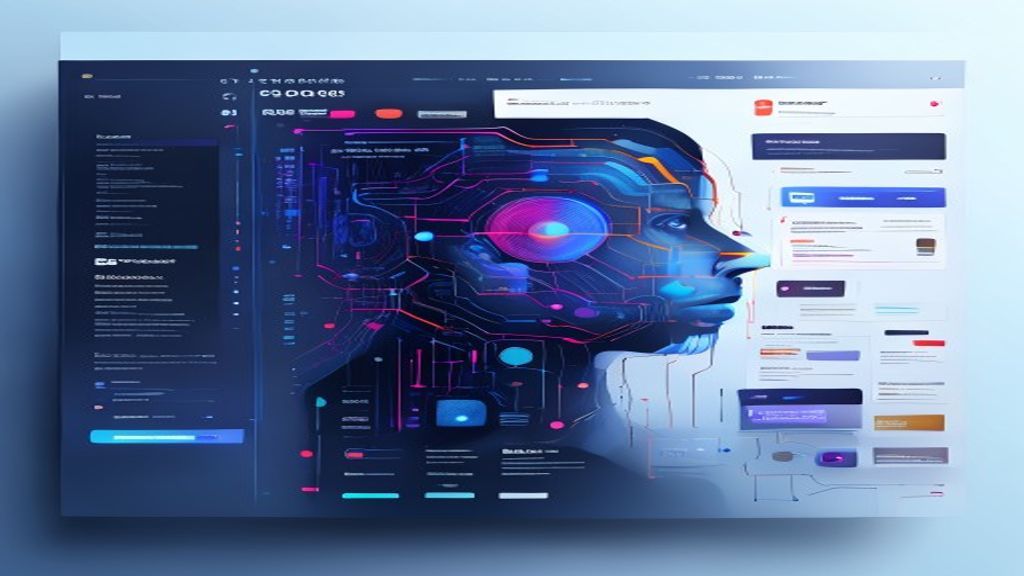
ImagePrompt: A futuristic ecommerce dashboard showing AI-generated product images tailored to different customer segments, with glowing neural network lines connecting user data to visual outputs, in a sleek dark-mode interface.
ng shoes to athletes and dress shoes to office workers. The AI adjusts colors, backgrounds, and overlays to match each segment’s preferences.
Can personalized ecommerce images for ads and landing pages improve conversion?
Yes. Studies show personalized ad images increase click-through rates by up to 40% and conversion rates by 20%. When users see products that match their interests and context, they are more likely to engage and purchase.
What is AI dynamic product imagery for online stores 2026?
It refers to product images that update in real time based on inventory, pricing, or user behavior. For example, a discount badge appears automatically when a sale starts, or an out-of-stock label appears when inventory runs out. These images require no manual updates.
How much does an AI product personalization image generator cost?
Pricing varies widely. Basic tools start at $200 per month for small stores, while enterprise solutions with API access and custom models can cost $5,000 or more monthly. Most platforms offer a free trial to test features before committing.
Is it difficult to integrate AI-generated images with existing ecommerce platforms?
Most modern AI image generators offer plugins or APIs for Shopify, WooCommerce, Magento, and BigCommerce. Integration typically takes a few hours for a developer. No-code options also exist for store owners without technical staff.
What types of businesses benefit most from AI product personalization?
Fashion retailers, home decor brands, electronics sellers, and subscription box services see the highest impact. Any business with diverse customer segments or frequent inventory changes can leverage AI-generated images to reduce manual design work and increase relevance.
Can AI-generated images be used for social media ads?
Absolutely. Many AI image generators export directly in ad-friendly formats for Facebook, Instagram, TikTok, and Google Ads. You can create multiple ad variations in minutes, each tailored to a different audience demographic or interest group.
Putting It All Together
AI product personalization is no longer a futuristic concept — it is a proven strategy for boosting ecommerce performance in 2026. By adopting an AI product personalization image generator, you can deliver the right visual to the right customer at the right moment, without manual effort. The key takeaways are:
– Start small: Pick one customer segment and one product category to test.
– Measure everything: Track CTR, conversion rate, and return rate before and after.
– Iterate fast: Use A/B testing to refine your personalization rules.
– Scale gradually: Expand to more segments and products once you see positive ROI.
– Integrate smartly: Use APIs to connect the image generator with your ad platforms and landing pages.
The technology is accessible, the data is already in your CRM, and the potential gains are significant. Whether you run a small boutique or a large online marketplace, now is the time to explore how AI-driven visuals can transform your customer experience. Try a free demo of a leading tool today and see the difference a personalized image can make.
Title: AI Product Personalization Image Generator: Complete Guide 2026
Meta: Learn how an AI product personalization image generator creates unique visuals for each customer. Boost CTR and conversions with personalized ecommerce images for ads and landing pages. Start now.
Slug: ai-product-personalization-image-generator-guide
Tags: AI image generation, product personalization, ecommerce visuals, dynamic product imagery, personalized ads
ImagePrompt: A futuristic ecommerce dashboard showing AI-generated product images tailored to different customer segments, with glowing neural network lines connecting user data to visual outputs, in a sleek dark-mode interface.