
AI Product Images for Landing Pages That Convert Visitors
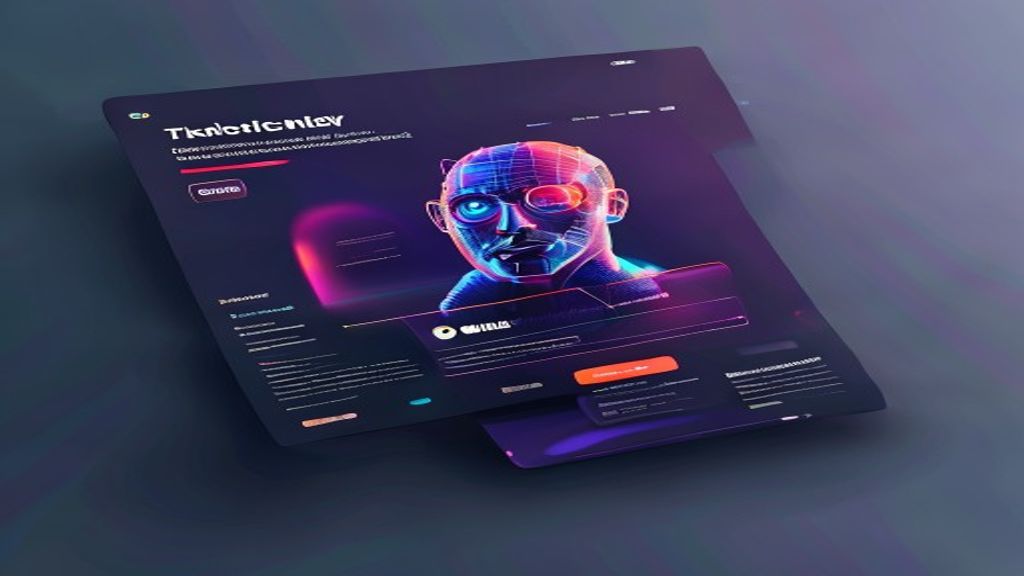
**AI product images for landing pages are visuals generated or enhanced by artificial intelligence, designed specifically to drive conversions on sales-focused web pages. Unlike generic stock photos, these images are tailored to match your brand, highlight product benefits, and guide the user’s eye toward a call-to-action (CTA). This guide explains how to leverage AI to create high-converting landing page visuals without hiring a photographer or designer.
Why AI-Generated Product Visuals Outperform Traditional Photography
AI-generated product visuals for landing pages reduce production time by up to 80% while offering unlimited variations for A/B testing. Traditional photography requires studio rentals, models, and editing — all of which delay launch. AI removes these bottlenecks.
Speed and Scalability
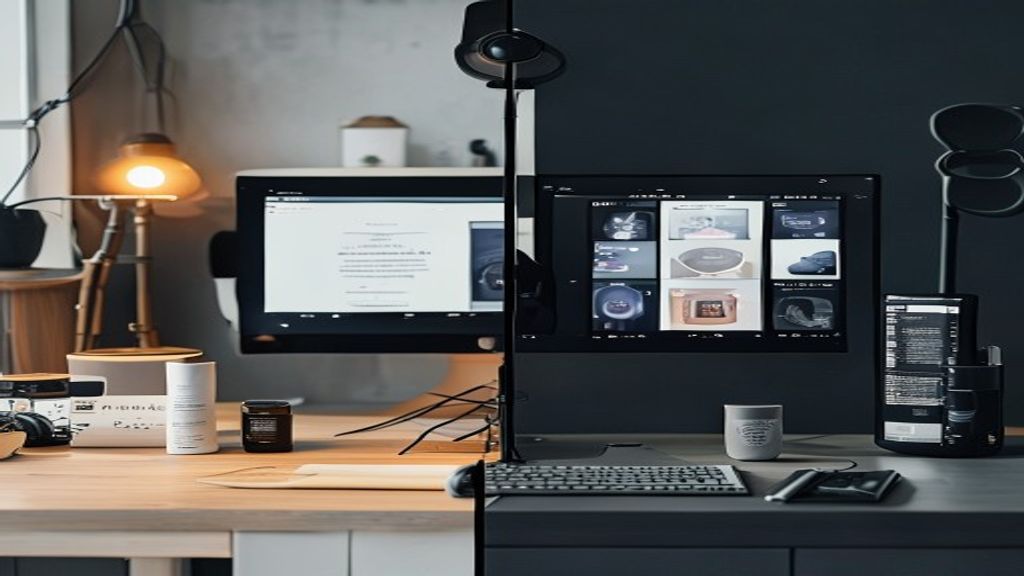
With AI, you can generate 50 product images in the time it takes to set up one camera shot. This speed allows marketers to iterate rapidly. For example, an e-commerce brand testing four different hero images can produce all variants in under an hour using an AI image generator. This rapid iteration is key to finding the visual that drives the highest click-through rate.
Cost Efficiency Without Quality Sacrifice
Professional product photography costs between $200 and $1,000 per image. AI tools charge a fraction of that — often pennies per generation. The quality gap has narrowed significantly; modern AI models render realistic textures, lighting, and shadows that rival studio work.
Unlimited Creative Control
AI lets you place your product in any context: a luxury penthouse, a busy street, or a minimalist studio. You can test different color palettes, angles, and backgrounds without reshooting. This flexibility is essential for how to create high-converting landing page visuals with AI — you can optimize for emotional triggers that resonate with your audience.
How to Create AI Hero Images for Product Landing Pages
AI hero images for product landing pages are the first visual element visitors see, and they must communicate value within three seconds. A strong hero image combines your product with a compelling scene that reinforces your unique selling proposition.
Composition Rules for Hero Images
– Place the product in the upper-left or center of the frame (eye-tracking studies show these zones get the most attention).
– Use negative space around the product to allow text overlay without clutter.
– Add directional cues — like a hand pointing or an arrow — that subtly guide the eye toward the CTA button.
Prompt Engineering for Hero Shots
Write prompts that include lighting, angle, and mood. Example: “A premium wireless earbud case on a marble surface, soft studio lighting, 45-degree angle, minimalist background, ultra-realistic, 8K resolution.” The more specific your prompt, the less post-processing you will need.
Integrating Text and CTA Overlays
AI tools like DALL·E and Midjourney struggle with text rendering. Generate the image first, then overlay your headline and CTA in a design tool like Canva or Figma. Ensure the AI image has a solid-color or blurred background area where text will sit for maximum readability.
A Product Landing Page Creative Workflow with AI
A product landing page creative workflow with AI follows five steps: brief, generate, refine, integrate, and test. This structured approach ensures consistency and speed. For more insights, check out our guide on AI image.
Step 1: Define the Visual Brief
List the product’s key features, target audience, and emotional tone. For a fitness tracker, the brief might specify “active lifestyle, outdoor setting, morning light, focus on the watch face.”
Step 2: Batch Generate Variations
Use an AI tool to produce 10–20 variations of the hero image, feature shots, and lifestyle scenes. Keep the product consistent across all images by using the same seed or reference image.
Step 3: Refine with In-Painting
Most AI tools allow in-painting — editing specific parts of an image. Fix imperfections like missing product details or awkward shadows. This step is critical for e-commerce where accuracy matters.
Step 4: Optimize for Web Performance
Compress images using tools like TinyPNG or Squoosh. Aim for file sizes under 150 KB for hero images and under 80 KB for thumbnails. Slow-loading images kill conversions.
Step 5: A/B Test Visuals
Run split tests comparing AI-generated images against original photography. Measure click-through rate, time on page, and conversion rate. Data from these tests feeds back into your prompt engineering for future campaigns.
AI-Generated Product Visuals for Direct Response Pages
AI-generated product visuals for direct response pages must trigger immediate action — they are not decorative but functional. Every pixel should support the goal of getting a click, sign-up, or purchase. For more insights, check out our guide on AI image.
Visual Hierarchy for Urgency
Direct response pages thrive on scarcity and urgency. Use AI to create images with countdown timers (generated as part of the scene), “limited stock” badges, or “sale” ribbons. These visual cues increase perceived value.
Lifestyle vs. Product-Only Shots
– Lifestyle shots (person using product) work best for emotional purchases like apparel or accessories.
– Product-only shots (isolated on white) work best for technical products like software or electronics.
AI lets you create both in minutes, then test which drives more conversions.
Social Proof Integration
Generate images that include mock testimonials or star ratings as part of the visual. For example, an AI image of a skincare product with “★★★★★ 2,000+ Reviews” overlaid on the bottle. This combines visual appeal with social proof in one element.
Mobile-First Design
Over 60% of landing page traffic comes from mobile. Ensure your AI images are square or vertical (1:1 or 4:5 aspect ratio) to avoid cropping on small screens. Test how the image looks with the CTA button below it.
Best Practices for AI Visuals That Boost Conversion Rates
Follow these best practices to ensure your AI product images drive conversions rather than distract visitors. For more insights, check out our guide on AI image.
Maintain Brand Consistency
Use the same color palette, lighting style, and product angle across all images. Inconsistent visuals confuse users and reduce trust. Create a style guide for your AI prompts that includes brand hex codes and preferred moods.
Focus on One Core Benefit Per Image
Each image should highlight a single benefit — durability, ease of use, or style. Avoid cramming multiple features into one visual. For example, a landing page for a blender might use one image showing the blender crushing ice and another showing the sleek design.
Use Realistic Human Elements
AI often generates uncanny hands or faces. If your image includes people, use a tool that specializes in photorealistic humans (like Midjourney v6 or Stable Diffusion with a realistic model). A poorly rendered hand can tank credibility.
Prioritize Load Speed
| Image Type | Recommended Max Size | Format |
|————|———————-|——–|
| Hero Image | 150 KB | WebP |
| Feature Shot | 80 KB | WebP |
| Thumbnail | 30 KB | JPEG |
| Background | 50 KB | WebP |
Use next-gen formats like WebP for faster loading without quality loss.
Common Mistakes When Using AI Images on Landing Pages
Avoid these pitfalls to prevent AI-generated visuals from hurting your conversion rates.
Overly Generic Imagery
AI can produce bland, stock-photo-like results if your prompts are vague. “A person using a laptop” yields generic images. “A young woman in a coffee shop smiling while using a silver MacBook Air, warm lighting, candid angle” yields a specific, relatable visual.
Ignoring Legal and Ethical Issues
Some AI models were trained on copyrighted images. Use tools with commercial-use licenses (Adobe Firefly, Shutterstock AI) to avoid legal risks. Always review terms of service before using AI images on paid landing pages.
Neglecting Accessibility
AI images lack alt text by default. Add descriptive alt text to every image for screen readers. Example: “A woman wearing a red fitness tracker while running on a beach at sunrise.” This also helps with SEO.
Using AI for Everything
AI is excellent for concept generation and testing, but for final production images of physical products, consider hybrid workflows: generate the scene with AI, then composite your actual product photo into it. This ensures perfect product fidelity.
Top AI Tools for Product Landing Page Imagery
Choose the right AI tool based on your budget, skill level, and need for photorealism.
Midjourney
Best for artistic, high-quality lifestyle shots. Requires Discord and prompt skill. Outputs are stunning but can be inconsistent with product details.
Adobe Firefly
Best for commercial use with legal safety. Integrates with Photoshop for seamless editing. Ideal for brands that need to match existing product catalogs.
Stable Diffusion (with ControlNet)
Best for technical users who need precise control over composition. Free and open-source, but requires local hardware or cloud setup.
Canva AI
Best for beginners. Offers one-click generation with templates optimized for landing pages. Limited in style variety but very fast.
DALL·E 3
Best for text rendering and complex prompts. Integrated into ChatGPT for conversational prompt refinement. Good for rapid prototyping.
Frequently Asked Questions
Can I use AI product images for commercial landing pages?
Yes, but check the tool’s licensing terms. Adobe Firefly and Shutterstock AI offer full commercial rights. Free tools often require attribution or restrict commercial use.
How do I make AI images look realistic for product pages?
Use specific prompts with lighting, texture, and angle details. Add keywords like “ultra-realistic,” “8K,” “macro shot,” and “studio lighting.” Post-process with sharpening tools to reduce AI artifacts.
What is the best aspect ratio for AI hero images on landing pages?
For desktop, use 16:9 (1920×1080). For mobile, use 4:5 (1080×1350) to avoid cropping. Most AI tools let you specify aspect ratio in the prompt.
How many AI images should I test on a single landing page?
Test no more than three hero image variations per A/B test. Too many options dilute the data. Once you find a winner, test feature images one at a time.
Can AI generate product images with transparent backgrounds?
Most AI tools output JPEG or PNG with backgrounds. Use remove.bg or Photoshop’s AI remove tool to extract the product. Some tools like Clipdrop offer direct background removal.
Do AI images hurt SEO if they are not original?
No, as long as you add unique alt text and compress the file. Google does not penalize AI-generated images. However, duplicate images across multiple sites can hurt rankings.
What is the cost of using AI for product images compared to photography?
AI tools cost $10–$60 per month for unlimited generations. Professional product photography costs $200–$1,000 per image. AI is significantly cheaper for high-volume testing.
Now you have a complete framework to replace expensive photoshoots with agile, data-driven visual creation. The key is to treat AI as a rapid prototyping engine — generate, test, and refine until you find the image that makes visitors click.
– Use AI to create 10+ variations of your hero image in under an hour.
– Always overlay your CTA text after generation for clarity.
– Test AI images against your current best performers.
– Compress every image to under 150 KB for fast loading.
– Maintain brand consistency with a prompt style guide.
Start with one landing page today. Generate three hero image options, run a split test, and let the data guide your next move. Your conversion rate will thank you.