


AI Multimodal Product Photography Combining Image And Data 2026
Artificial intelligence (AI) multimodal product photography is revolutionizing how businesses create and manage visual content, integrating various data types to generate dynamic, personalized product images. This innovative approach allows e-commerce brands to produce captivating visuals that adapt to real-time information, customer preferences, and market trends, significantly enhancing the online shopping experience.
Multimodal AI systems process multiple forms of input—such as images, text, video, audio, and behavioral data—simultaneously. This comprehensive understanding enables the creation of richer, more human-like interactions and highly relevant product presentations. The technology is becoming indispensable for e-commerce businesses aiming to differentiate themselves and capture consumer attention in a competitive digital landscape.
AI for Generating Product Photos with Embedded Pricing Overlays
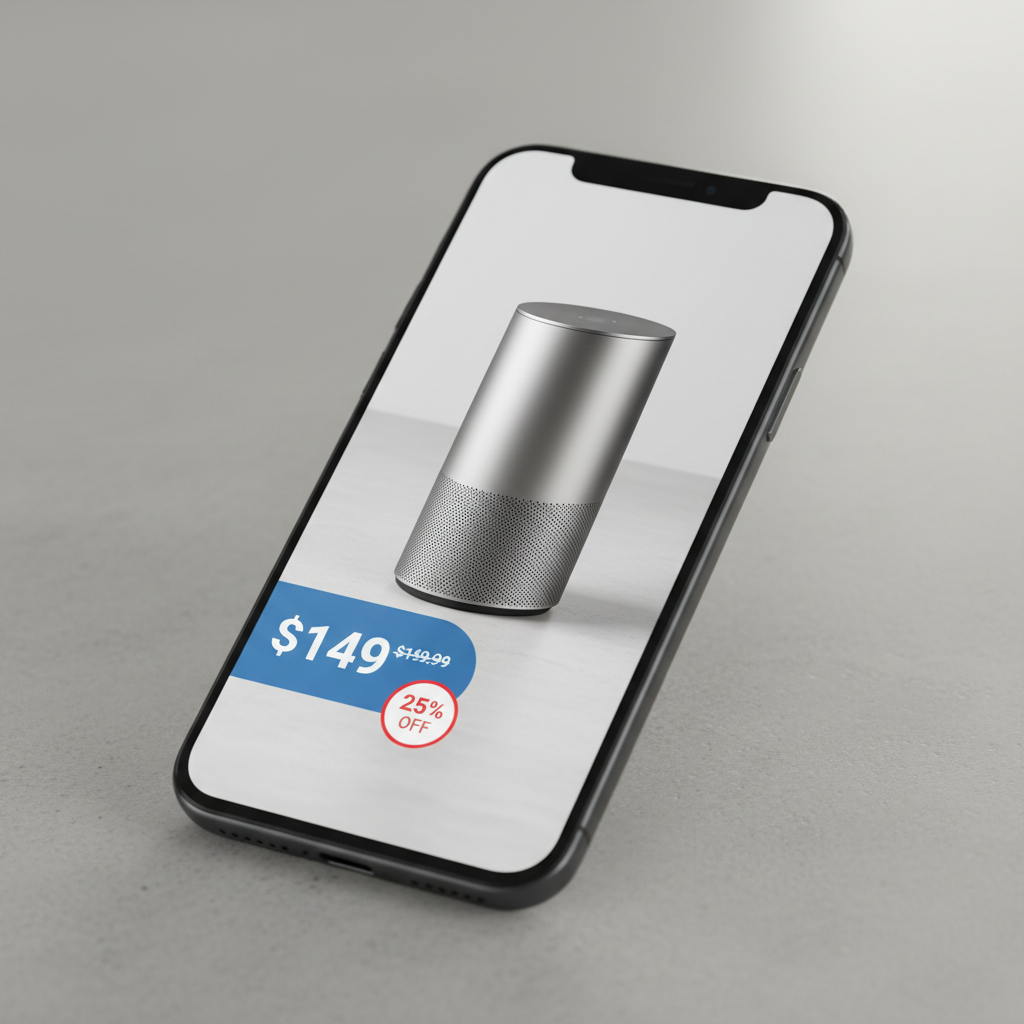
AI-driven product photography can seamlessly integrate real-time pricing information directly onto product images, offering customers immediate and accurate cost details. This capability is achieved by combining visual generation with data feeds, ensuring that pricing overlays are always current and contextually relevant.
This integration means that as prices fluctuate due to promotions, sales, or dynamic pricing strategies, the product images update automatically without manual intervention. This level of automation saves significant time and resources, eliminating the need for constant reshoots or manual graphic design updates. Businesses can launch new product imagery instantly and update backgrounds and settings digitally. The visual consistency across various platforms is also maintained, which is crucial for brand credibility.
Automating Price Display in Product Visuals
Automating price display in product visuals involves AI systems analyzing product data, including current pricing, and then rendering this information directly onto the generated image. This process ensures accuracy and eliminates manual errors. For instance, an AI tool can take a base product image and, based on a connected data feed, overlay the current price, a “sale” badge, or even a percentage discount. This dynamic content generation is a significant leap from traditional static images.
Enhancing Conversion with Transparent Pricing
Transparent pricing directly within product images enhances conversion rates by providing shoppers with essential information upfront, reducing friction in the buying journey. When customers see the price immediately, they can make quicker decisions, especially during flash sales or limited-time offers. This directness builds trust and streamlines the path to purchase. Furthermore, AI can generate multiple variations of an image with different pricing displays for A/B testing, allowing brands to optimize for the highest engagement and conversion.
AI for Creating Dynamic Product Images that Update with Inventory
AI can generate and modify product images in real-time to reflect current inventory levels, ensuring that customers always see accurate product availability. This dynamic adaptation is crucial for managing customer expectations and preventing frustration caused by out-of-stock items.
By linking AI image generation platforms with inventory management systems, product visuals can automatically display “low stock” warnings, “out of stock” indicators, or even suggest alternative products when an item is unavailable. This capability allows e-commerce businesses to maintain accurate product representations across all sales channels, from websites to social media. This not only improves the customer experience but also optimizes marketing efforts by avoiding promotions of unavailable items.
Real-time Stock Status Integration
Real-time stock status integration means that AI systems continuously monitor inventory databases and instantly update product images to reflect changes. For example, if a popular shoe size sells out, the AI can grey out that option in a size selector overlay on the image or display a “sold out” banner. This immediate feedback helps customers avoid clicking on unavailable items, improving their browsing experience. AI can also generate images of available color variations or styles, guided by inventory data.
Preventing Customer Frustration with Accurate Visuals
Preventing customer frustration with accurate visuals is a key benefit of AI-driven dynamic images, as it minimizes the disappointment of discovering an item is out of stock after engaging with it. When product images accurately reflect availability, shoppers spend less time navigating to product pages only to find disappointment. This builds trust and encourages a more positive shopping journey, ultimately reducing bounce rates and improving customer loyalty.

AI for Generating Product Photos with Real-Time Review Star Ratings
AI can automatically embed real-time customer review star ratings directly onto product images, providing instant social proof and enhancing product credibility. This integration connects customer feedback data with visual content generation, ensuring that the displayed ratings are always up-to-date.
This innovative feature allows potential buyers to see a product’s average rating at a glance, influencing their purchasing decisions without needing to navigate to a separate reviews section. For instance, an AI system can generate a product image with a small, unobtrusive overlay showing a 4.5-star rating and the number of reviews. This immediate display of positive feedback can significantly boost consumer confidence and conversion rates. Moreover, AI tools can even analyze the sentiment of reviews to inform dynamic visual adjustments, such as highlighting specific product features that customers frequently praise.
Displaying Social Proof Instantly
Displaying social proof instantly on product images leverages the power of collective customer opinion to build trust and encourage purchases. When shoppers see high star ratings and a substantial number of reviews directly on an image, it signals product quality and popularity. This visual cue acts as a powerful endorsement, especially in crowded online marketplaces where differentiation is key. AI makes this possible at scale, dynamically updating these ratings as new reviews come in, ensuring the most current and impactful social proof is always presented.
Boosting Trust with Dynamic Feedback Overlays
Boosting trust with dynamic feedback overlays involves AI systems continuously pulling data from review platforms and seamlessly integrating it into product visuals. This means that if a product’s average rating changes, the image overlay updates accordingly, reflecting the most recent customer sentiment. This transparency fosters a stronger sense of trust between the brand and the consumer, as the visuals are a true reflection of real-time customer experiences. This dynamic capability also allows for rapid A/B testing of different rating display styles to determine which generates the most positive response.
AI for Smart Product Images that Adapt to Viewer Preferences
AI for smart product images that adapt to viewer preferences uses machine learning to analyze individual customer data and dynamically generate product visuals tailored to their tastes and past behaviors. This hyper-personalization ensures that each shopper sees the most relevant and appealing version of a product image.
This advanced application of AI goes beyond simple recommendations, actively modifying the visual presentation of a product. For example, if a customer frequently browses minimalist home decor, AI can display a product within a minimalist lifestyle scene, even if the default image is more vibrant. This level of customization is achieved by analyzing browsing history, purchase patterns, geographical location, device preferences, and real-time intent signals. The goal is to create a unique, engaging, and highly relevant shopping experience for every individual, increasing engagement and conversion rates.
Personalizing Visuals Based on Behavioral Data
Personalizing visuals based on behavioral data involves AI systems processing vast amounts of customer information to understand individual preferences. This includes tracking clicks, scrolls, dwell times, and past purchases. For instance, if a shopper has previously bought products in a specific color, AI can prioritize showing new items in that same color within their product images. This deep understanding of individual behavior allows for the creation of truly bespoke visual content that resonates on a personal level.
Creating Unique Shopping Experiences
Creating unique shopping experiences through adaptive product images transforms generic browsing into a highly individualized journey. Instead of a one-size-fits-all approach, each customer encounters visuals that feel specifically curated for them. This might involve adapting the background scene, the model showcasing apparel, or even the lighting to match their perceived aesthetic. This level of personalization not only makes the shopping experience more enjoyable but also significantly increases the likelihood of conversion by presenting products in their most appealing light to each viewer.
Key Benefits of Multimodal AI in Product Photography
Multimodal AI in product photography offers a transformative advantage for e-commerce by integrating diverse data types to create more intelligent and effective visual content. This approach moves beyond simple image generation, allowing for a holistic understanding of products and customer interactions.
By combining visual data with text descriptions, customer reviews, inventory levels, and behavioral insights, multimodal AI enables a new era of dynamic product presentation. This results in enhanced personalization, improved operational efficiency, and a more engaging customer journey. Brands can generate on-brand content with far less effort, meeting the growing demand for personalized assets while freeing up time for strategic focus. The technology also supports automated content creation, allowing for more agile marketing strategies and faster campaign rollouts.
Here are some of the key benefits:
* Richer Customer Profiles: Multimodal AI helps create more comprehensive customer profiles by analyzing interactions across various data types, leading to deeper insights into preferences and intent.
* Smarter Recommendation Systems: By understanding context from images, text, and behavior, AI can deliver highly relevant product recommendations that go beyond basic “customers who bought this also bought that” suggestions.
* More Engaging Customer Experiences: Personalized and dynamic visuals create a more intuitive and immersive shopping journey, increasing engagement and satisfaction.
* Real-time Adaptability: Content can adjust instantly to user behavior, location, and preferences, ensuring maximum relevance at every touchpoint.
* Cost and Time Efficiency: Automating image generation and adaptation significantly reduces the costs and time associated with traditional photography and manual editing.
* Scalable Personalization: AI allows brands to deliver hyper-personalized marketing at scale, generating tailored content for millions of individual interactions.
| Feature | Traditional Product Photography | AI Multimodal Product Photography |
|---|---|---|
| Cost | High (studio, equipment, models, editing) | Significantly lower (software, data integration) |
| Speed | Weeks to months for large catalogs | Minutes to hours for large catalogs |
| Personalization | Limited, static images | Hyper-personalized, dynamic images per viewer |
| Data Integration | Manual overlays or separate data displays | Real-time data embedded directly into images (pricing, inventory, reviews) |
| Consistency | Challenging across large inventories and campaigns | Automated consistency in style, lighting, and branding |
| Adaptability | Static, requires reshoots for changes | Dynamic, adapts to trends, inventory, user behavior |
Multimodal AI represents a defining shift in retail, where seeing, speaking, and experiencing converge into a single, intelligent journey. By meeting customers in the way they naturally interact with the world, retailers can create experiences that are more intuitive, immersive, and effective.
What is AI multimodal product photography?
AI multimodal product photography involves using artificial intelligence systems that process and combine various types of data, such as images, text, and behavioral signals, to generate dynamic and personalized product visuals. This allows images to adapt in real time to different contexts and viewer preferences.
How does AI generate product photos with embedded pricing overlays?
AI systems connect with product databases to access real-time pricing information. They then use generative capabilities to seamlessly overlay this data, along with any relevant promotions or discounts, directly onto the product image. This ensures pricing is always accurate and visible.
Can AI product images update with inventory levels automatically?
Yes, AI can integrate with inventory management systems to dynamically update product images. This means visuals can automatically display “low stock” alerts or “sold out” indicators, preventing customers from trying to purchase unavailable items and improving their shopping experience.
How do AI-generated product photos incorporate real-time review star ratings?
AI platforms can pull live customer review data and integrate star ratings and review counts directly onto product images as an overlay. This provides instant social proof, builds trust, and helps potential buyers make informed decisions at a glance without navigating away from the product visual.
What does “AI for smart product images that adapt to viewer preferences” mean?
This refers to AI’s ability to analyze individual customer data, such as browsing history and purchase patterns, to generate product images tailored to their specific tastes. For example, a product might be shown in a lifestyle setting that aligns with the viewer’s perceived aesthetic, creating a hyper-personalized experience.
Is AI product photography cost-effective compared to traditional methods?
Absolutely. AI product photography significantly reduces costs by automating tasks like background removal, editing, and scene generation, eliminating the need for expensive photoshoots, equipment, and extensive manual post-production. This makes high-quality visuals accessible even for small businesses.
What are the main advantages of using multimodal AI for product visuals?
The main advantages include creating richer customer profiles, enabling smarter product recommendations, offering more engaging and personalized customer experiences, and providing real-time adaptability of content. It also delivers significant efficiency gains and cost savings for businesses.
The landscape of e-commerce is continuously evolving, and AI multimodal product photography combining image and data stands at the forefront of this transformation. By leveraging advanced AI capabilities, businesses can move beyond static visuals to create dynamic, intelligent product images that deeply resonate with individual customers. The integration of real-time data, such as pricing, inventory, and review ratings, directly into product visuals streamlines operations and builds unparalleled trust. Furthermore, the ability to generate AI for smart product images that adapt to viewer preferences 2026 ensures that every customer journey is uniquely tailored and highly engaging.
Key takeaways for businesses embracing this technology include:
* Enhanced Personalization: Delivering visuals that adapt to individual customer preferences drives engagement and conversions.
* Operational Efficiency: Automating image generation and updates drastically reduces time and cost compared to traditional photography.
* Improved Customer Trust: Real-time data overlays for pricing, inventory, and reviews provide transparency and build confidence.
* Scalable Content Creation: Generate a vast array of unique, on-brand visuals quickly for diverse marketing channels.
* Competitive Advantage: Stay ahead in the fast-paced e-commerce market by offering cutting-edge visual experiences.
Embracing AI multimodal product photography is no longer just an option; it’s a strategic imperative for any e-commerce business looking to thrive in a visually-driven digital economy. Explore how these intelligent visual solutions can redefine your brand’s online presence and drive unprecedented growth.