

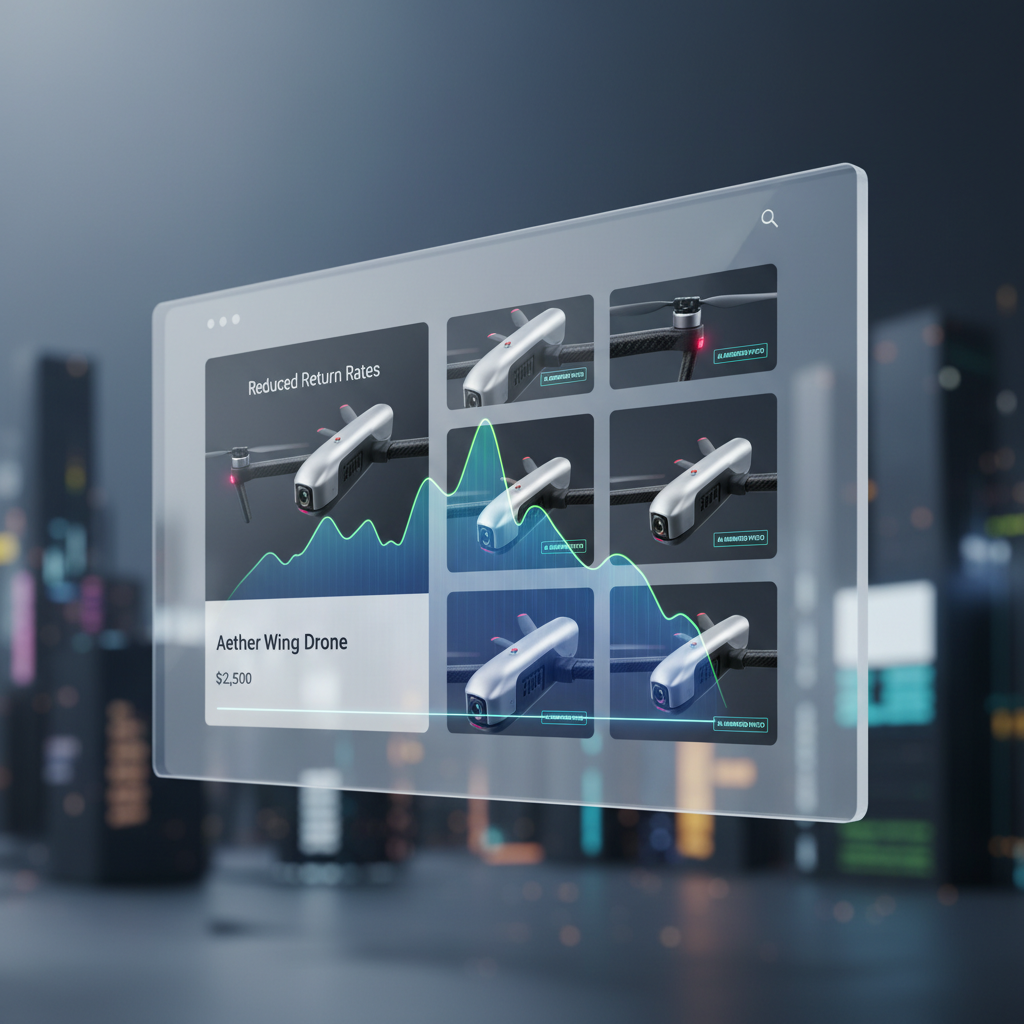
AI For Creating Product Photography That Reduces Return Rates 202
The use of AI for creating product photography that reduces return rates is revolutionizing e-commerce by enhancing visual accuracy and setting realistic customer expectations. This advanced technology helps online retailers present products more truthfully, directly addressing common reasons for buyer dissatisfaction and subsequent returns. By leveraging artificial intelligence, businesses can generate high-quality, precise product images that significantly improve the online shopping experience and boost profitability.
How Accurate AI Product Photos Reduce Buyer Disappointment
Accurate AI product photos reduce buyer disappointment by providing visuals that closely match the physical item, eliminating discrepancies between perception and reality. This precision helps customers make informed purchasing decisions, leading to greater satisfaction and fewer reasons to initiate a return. AI-powered tools can generate images that highlight true colors, textures, and details, ensuring transparency in online product representation.
Artificial intelligence in product photography involves algorithms that can analyze product data, generate realistic images, and even create virtual environments. This technology moves beyond traditional photography by offering unparalleled control over every visual aspect. Retailers can now produce a vast array of photorealistic images without the need for extensive physical photoshohoots. This capability is especially beneficial for products with many variations.
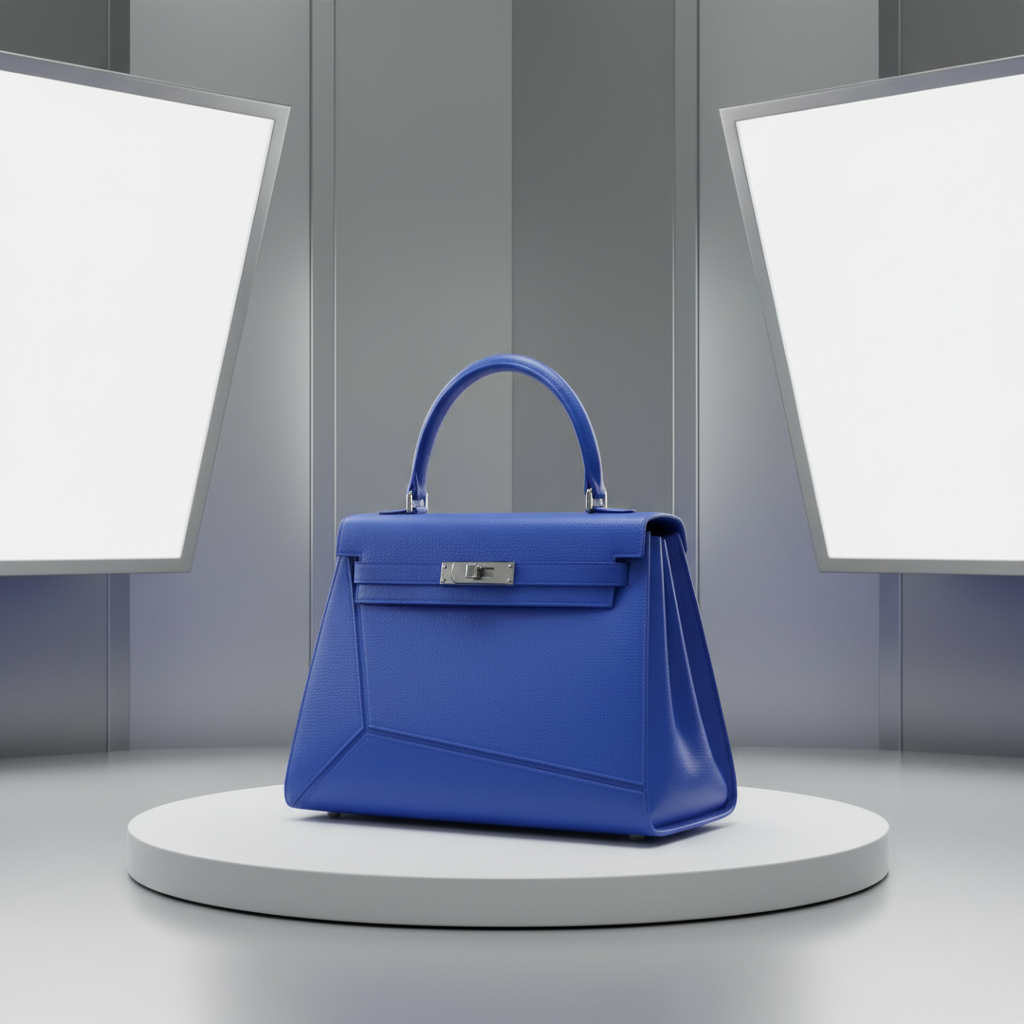
Improving Color and Texture Representation with AI
AI significantly improves the representation of product colors and textures in online images. Traditional photography can sometimes distort these crucial elements due to lighting, camera settings, or post-processing. AI algorithms, however, can meticulously analyze material properties and render them with exceptional fidelity. This ensures that a customer sees the exact shade of blue or the true feel of a fabric. The accuracy helps manage customer expectations effectively.
Eliminating Visual Discrepancies Through AI
Eliminating visual discrepancies is a core benefit of using AI in product photography. Often, product images might show items in an idealized light, or with subtle differences from the actual product. AI can be trained on vast datasets to understand how products truly appear under various conditions. It then generates images that are consistent and true-to-life. This reduces the chances of a customer receiving a product that looks different from what they saw online. Shoppers gain confidence in their purchases.
AI for Creating Product Photos That Set Realistic Expectations
AI for creating product photos that set realistic expectations achieves this by generating visuals that are free from misleading enhancements and accurately reflect the product’s real-world appearance. This approach prioritizes honesty in presentation, ensuring customers know exactly what they are buying before it arrives. Realistic imagery is crucial for building trust and reducing the likelihood of returns.
Setting realistic expectations is paramount in e-commerce to combat the high return rates often caused by mismatched perceptions. AI tools can simulate various real-world scenarios, allowing products to be displayed in typical use cases rather than just pristine studio shots. This contextual accuracy helps buyers visualize the product in their own lives. It provides a more authentic shopping experience.
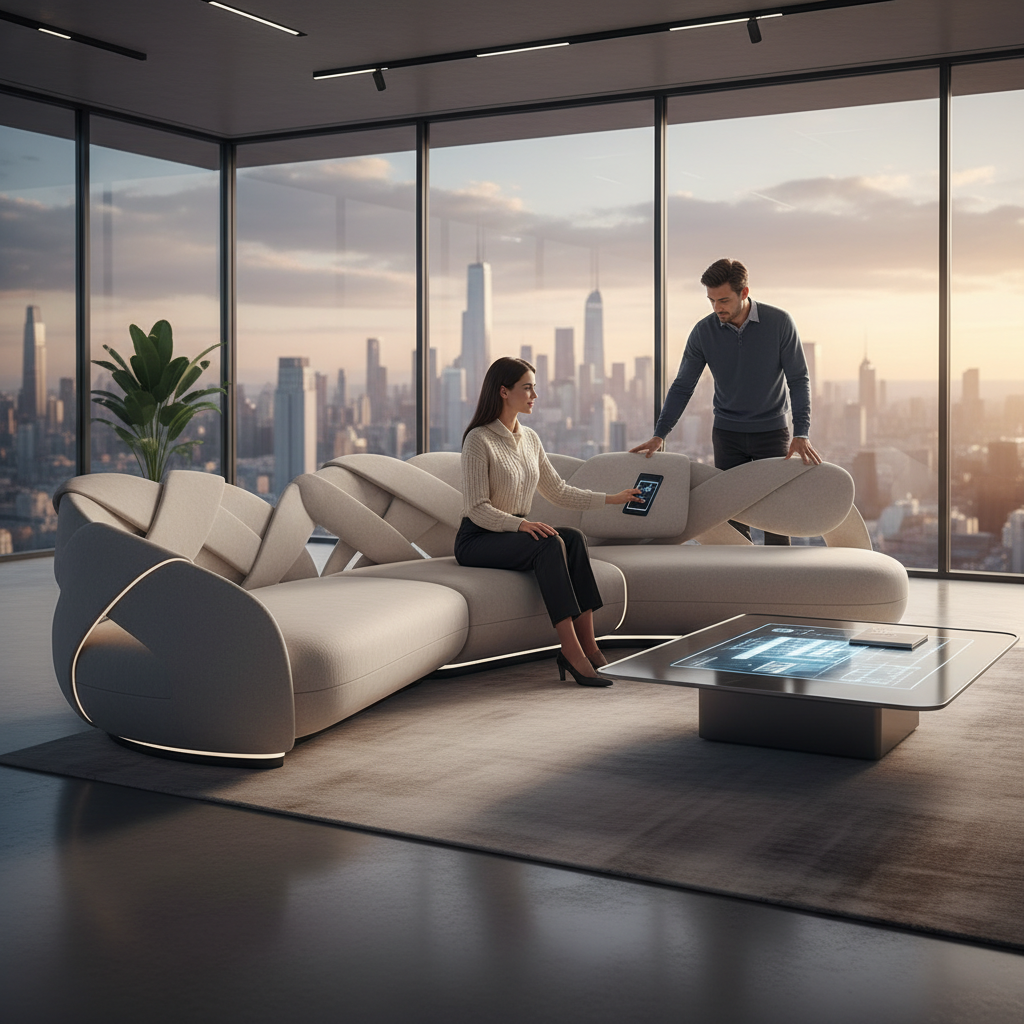
Showcasing Products in Contextual Settings with AI
Showcasing products in contextual settings with AI helps customers better understand an item’s practical application and appearance. Instead of generic white backgrounds, AI can place products into virtual homes, offices, or outdoor environments. This allows potential buyers to see how a piece of furniture might look in a living room, or how a jacket fits into a casual outfit. Such contextualization provides valuable visual cues. It helps buyers assess suitability before purchase.
Generating Multiple Angles and Close-Ups for Clarity
Generating multiple angles and close-ups for clarity is another powerful way AI sets realistic expectations. AI can effortlessly produce an exhaustive gallery of images from every conceivable angle, including detailed close-ups of specific features. This level of visual information surpasses what is typically feasible with traditional photography. Customers can virtually inspect every detail of a product. They can zoom in on stitching, material patterns, or unique design elements. This comprehensive view leaves little room for surprises upon delivery.
AI for Showing True Product Dimensions and Scale in Photos
AI for showing true product dimensions and scale in photos accurately conveys an item’s physical size relative to recognizable objects or human figures, preventing misunderstandings about an item’s actual footprint. This functionality is critical for products where size is a key purchasing factor, such as furniture, electronics, or apparel. By integrating AI, retailers can overcome the limitations of 2D images in representing 3D objects.
One of the biggest challenges in online retail is communicating the true size of a product. A small item can appear large, and a large item can appear small, depending on the photographic setup. AI-powered solutions address this directly by incorporating accurate 3D models and rendering techniques. These tools can place products next to common objects or human models of varying sizes. This provides an instant visual reference point for the customer.
Utilizing AI for Accurate 3D Product Modeling
Utilizing AI for accurate 3D product modeling is the foundation for realistic dimension representation. AI can take simple 2D images or CAD files and transform them into precise 3D models. These models retain exact measurements and proportions. Once a product is accurately modeled in 3D, it can be manipulated and rendered in any virtual scene. This ensures that its dimensions are faithfully represented regardless of the viewing angle. The underlying data ensures dimensional integrity.
Implementing Virtual Try-On and Augmented Reality (AR) with AI
Implementing virtual try-on and Augmented Reality (AR) with AI takes dimension and scale representation to the next level. AI-powered AR applications allow customers to virtually “place” products in their own environment using a smartphone or tablet. For instance, a customer can see how a new sofa would look in their living room or how a pair of glasses would fit their face. This interactive experience provides an unparalleled understanding of size and fit. It dramatically reduces the guesswork involved in online shopping. This direct visualization is a powerful tool in reducing returns caused by size issues.
AI for Creating Honest Accurate Product Photography to Cut Returns
AI for creating honest accurate product photography to cut returns focuses on delivering transparent and precise visual representations that build consumer trust and minimize post-purchase dissatisfaction. By prioritizing authenticity over idealized imagery, AI helps retailers proactively address common reasons for product returns. This includes issues like color discrepancies, size misinterpretations, and material quality concerns.
The core principle behind using AI to cut returns is to eliminate any visual ambiguity. When customers feel confident that the product they see online is exactly what they will receive, they are far less likely to return it. AI achieves this by automating the creation of highly consistent and verifiable product images. These images are generated based on real product data, not subjective photographic interpretations.
Ensuring Visual Consistency Across Product Lines
Ensuring visual consistency across product lines is a significant advantage of AI-driven photography. Manual photography can lead to variations in lighting, background, and styling, even for similar products. AI systems, however, can apply uniform rendering rules across an entire catalog. This means that all products from a brand will have a consistent look and feel. This consistency not only enhances brand professionalism but also helps customers compare products more easily. It builds trust in the brand’s presentation.
Highlighting Imperfections and Real-World Wear with AI
Highlighting imperfections and real-world wear with AI can paradoxically increase customer satisfaction and reduce returns. While counterintuitive, presenting products with a touch of realism, showing how they might look after some use, or even highlighting minor, inherent variations in natural materials, can set more accurate expectations. AI can simulate these aspects without physically damaging products. This honest approach prevents customers from being surprised by minor blemishes or natural material characteristics. It fosters a more transparent relationship between buyer and seller.
Optimizing Product Visuals with AI to Minimize Returns
Optimizing product visuals with AI to minimize returns involves a strategic application of artificial intelligence to generate compelling yet truthful product images that resonate with buyer expectations. This optimization goes beyond basic image creation, delving into personalization and predictive analytics to fine-tune visual content. The goal is to create a seamless visual journey that leaves no room for doubt or disappointment.
AI-driven optimization isn’t just about making pretty pictures; it’s about making smart pictures. These systems can analyze past return data to identify common visual triggers for returns. For example, if a certain product often gets returned due to its perceived size, AI can then prioritize images that clearly demonstrate scale. This iterative learning process continuously refines the visual strategy.
Personalizing Product Image Presentation with AI
Personalizing product image presentation with AI allows retailers to tailor visuals to individual customer preferences and browsing history. AI can analyze a shopper’s past purchases, viewed items, and demographic data to present product images that are most likely to appeal to them. For example, a customer who frequently buys minimalist items might see products displayed in clean, uncluttered settings. This personalized approach enhances engagement. It also helps customers visualize products in a context that is relevant to their style. This further aligns expectations with reality.
Leveraging AI for A/B Testing and Predictive Visual Optimization
Leveraging AI for A/B testing and predictive visual optimization provides data-driven insights into which types of images perform best in reducing returns. AI can automatically generate multiple versions of product images, varying elements like background, lighting, or model poses. It then tracks customer engagement and return rates for each version. Based on this data, AI can predict which visual elements are most effective at setting accurate expectations. This continuous optimization ensures that the most impactful and return-reducing visuals are always in use.
Implementing AI for Enhanced Product Image Fidelity
Implementing AI for enhanced product image fidelity involves integrating sophisticated AI tools and workflows into the existing e-commerce photography process to achieve unparalleled visual accuracy and consistency. This implementation typically includes adopting 3D rendering engines, AI-powered image generation platforms, and data analytics tools. The objective is to elevate the quality of product visuals across the entire digital storefront.
The transition to AI-enhanced product photography requires a strategic approach. It’s not just about replacing photographers with algorithms but empowering them with advanced tools. This allows for a hybrid approach where human creativity guides AI capabilities. The result is a more efficient, scalable, and ultimately more accurate visual content pipeline.
Integrating AI Tools with Existing E-commerce Platforms
Integrating AI tools with existing e-commerce platforms streamlines the process of generating and deploying high-fidelity product images. Many AI solutions offer APIs or plugins that can seamlessly connect with popular e-commerce platforms like Shopify, Magento, or WooCommerce. This integration allows for automated image generation, bulk updates, and dynamic content delivery. Retailers can manage their visual assets more efficiently. It also ensures that product pages are always populated with the most accurate and up-to-date imagery.
Training AI Models for Specific Product Categories
Training AI models for specific product categories is crucial for achieving optimal image fidelity. Different product types, such as apparel, electronics, or furniture, have unique visual requirements and common return reasons. By training AI models on vast datasets specific to these categories, the AI can learn to emphasize relevant details and render materials with greater accuracy. For example, an AI model trained on apparel might focus on fabric drape and fit, while one for electronics might highlight ports and interfaces. This specialized training ensures highly relevant and accurate visual output.
| Feature | Traditional Photography | AI-Powered Photography |
|---|---|---|
| Cost per Image | High (studio, models, equipment) | Lower (virtual assets, scalable) |
| Time to Market | Long (scheduling, shoots, editing) | Short (rapid generation, iteration) |
| Visual Consistency | Variable (lighting, photographer style) | High (algorithmic control, uniform rendering) |
| Dimension/Scale Accuracy | Challenging (perspective, props) | High (3D models, AR integration) |
| Customization/Personalization | Limited (reshoots needed) | Extensive (dynamic rendering) |
| Return Rate Impact | Indirect (depends on quality) | Direct (reduced buyer disappointment) |
What is AI product photography?
AI product photography uses artificial intelligence algorithms to generate, enhance, or optimize product images without traditional photoshoots. It leverages 3D modeling, rendering, and machine learning to create photorealistic visuals. This technology can simulate various environments, lighting conditions, and product variations efficiently.
How does AI help reduce e-commerce returns?
AI reduces e-commerce returns by creating highly accurate and realistic product images that set clear customer expectations. It minimizes discrepancies between the online visual and the physical product. This prevents disappointment related to color, size, or material.
Can AI accurately show product dimensions?
Yes, AI can accurately show product dimensions by generating precise 3D models and integrating with augmented reality (AR) technologies. This allows customers to visualize products in their own space or alongside common reference objects. It provides a true sense of scale.
Is AI product photography more cost-effective than traditional methods?
AI product photography can be significantly more cost-effective in the long run. It eliminates expenses associated with physical studios, models, props, and extensive reshoots. While initial setup may involve investment, the scalability and efficiency often lead to lower per-image costs.
How does AI ensure realistic expectations for shoppers?
AI ensures realistic expectations by rendering products in diverse, true-to-life contexts and providing comprehensive visual details from multiple angles. It avoids misleading enhancements and focuses on presenting the product as it genuinely appears. This builds customer confidence.
What is the role of 3D modeling in AI product photography?
3D modeling is fundamental to AI product photography as it creates a digital twin of the product with precise dimensions and material properties. This 3D model can then be used by AI to generate an infinite number of photorealistic images from any angle or in any virtual setting.
The integration of AI into product photography marks a pivotal shift for e-commerce, offering a powerful solution to the persistent challenge of high return rates. By delivering unparalleled visual accuracy and fostering realistic customer expectations, AI-generated images are transforming how consumers perceive and purchase products online. This technology directly addresses buyer disappointment by ensuring that what customers see is truly what they get.
Key takeaways for retailers:
* AI-powered visuals significantly reduce returns by eliminating discrepancies between online images and physical products.
* Accurate dimension and scale representation through AI and AR builds buyer confidence.
* Contextual and personalized AI imagery sets realistic expectations, enhancing customer satisfaction.
* AI streamlines content creation, offering cost-effective and scalable solutions for high-fidelity visuals.
* Embracing AI photography is a strategic move to boost profitability and build stronger customer trust.
Embrace the future of e-commerce visuals. Explore AI-driven product photography solutions to refine your online store, delight your customers, and dramatically cut down on returns.