

How Much Do AI Product Photography Tools Cost In 2026 Full Guide
In 2026, the cost of AI product photography tools varies significantly, ranging from free basic plans to hundreds of dollars per month for advanced, high-volume solutions. These innovative tools leverage artificial intelligence to generate stunning product images, offering a cost-effective and efficient alternative to traditional photography. Understanding the diverse pricing models, including subscription tiers, pay-per-image options, and feature sets, is crucial for businesses seeking to optimize their visual content strategy. This guide will break down the expenses involved, helping you make an informed decision for your brand’s needs.
Understanding AI Product Photo Generation Cost Per Image Breakdown
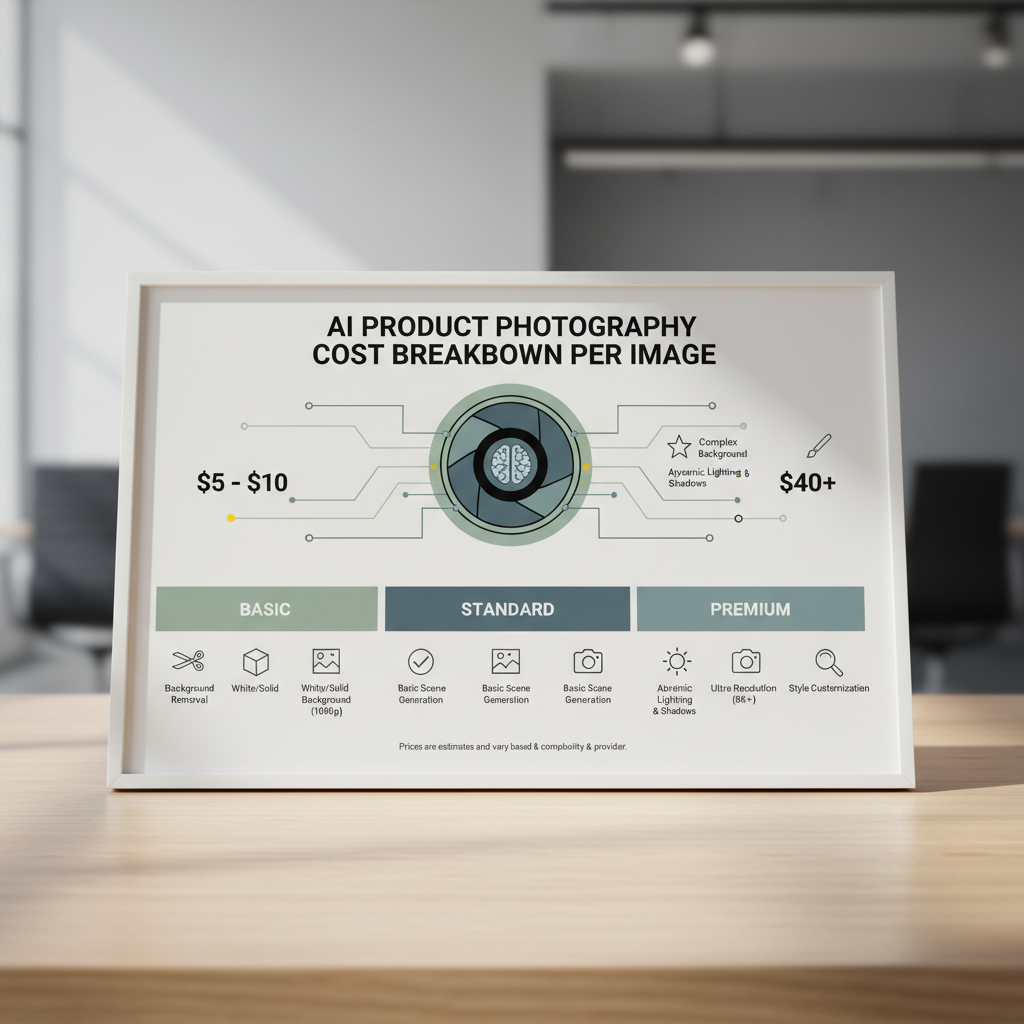
The AI product photo generation cost per image breakdown typically ranges from as little as $0.05 to $2.00 or more, depending on the chosen platform, subscription tier, and the complexity of the desired output. Most AI product photography tools operate on a credit-based system or offer tiered subscriptions that dictate how many images you can generate or process each month. This per-image cost is a critical metric for businesses to evaluate when budgeting for their visual content needs.
How Subscription Tiers Impact Per-Image Costs
Subscription tiers significantly influence the effective per-image cost. Entry-level plans often provide a limited number of credits or images for a monthly fee, leading to a higher cost per image if you exceed those limits or don’t fully utilize them. Conversely, higher-tier plans, designed for professional users or larger businesses, offer a much greater volume of credits, driving down the individual image cost considerably. For instance, a basic plan might offer 50 images for $29, making each image $0.58, while a premium plan could provide 1000 images for $150, reducing the cost to $0.15 per image.
Factors Affecting Individual Image Pricing
Several factors contribute to the individual image pricing within AI product photography tools. These include the resolution of the generated image, the complexity of the AI-driven scene generation, and the inclusion of advanced features like 3D model integration or intricate lighting adjustments. Some platforms charge more for specific functionalities, such as generating lifestyle scenes versus simple white background cutouts. The level of post-processing or editing capabilities integrated into the AI tool also plays a role, with more sophisticated editing suites potentially adding to the per-image cost.
Calculating Your Effective Per-Image Expense
To accurately calculate your effective per-image expense, consider your anticipated monthly image volume and compare it against the offerings of various subscription plans.
Here’s a simple calculation:
* Total Monthly Subscription Cost / Total Number of Images Generated = Effective Cost Per Image.
This calculation helps identify the most economical plan for your specific usage patterns. For example, if you generate 200 images per month, a plan offering 250 images for $50 would result in an effective cost of $0.20 per image, assuming you use most of your allowance.
Exploring AI Photography Tools with Unlimited Image Generation Plans
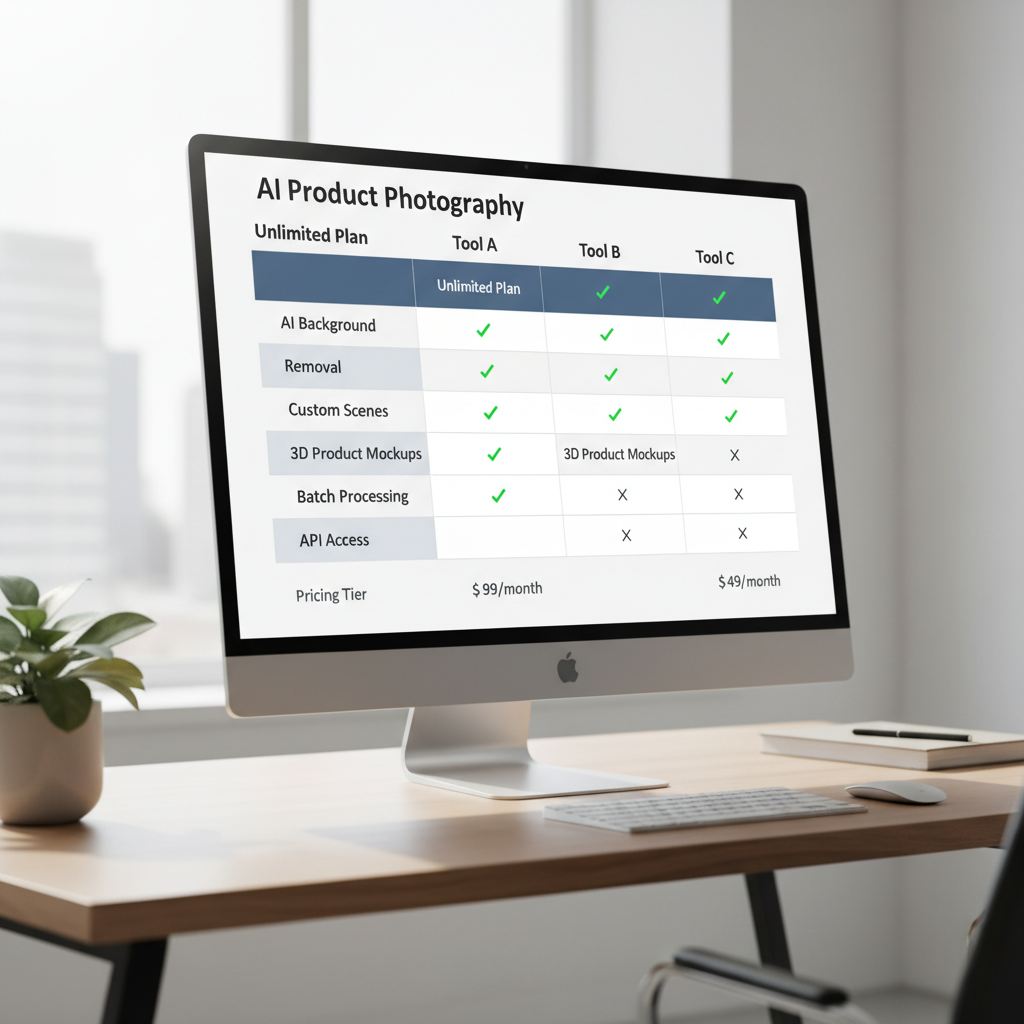
AI photography tools with unlimited image generation plans are becoming increasingly popular, offering businesses the freedom to create as many product visuals as needed without worrying about per-image costs. These plans are typically offered by platforms catering to high-volume users, e-commerce stores with extensive catalogs, or marketing agencies managing multiple client accounts. While the upfront monthly fee for these “unlimited” plans is generally higher than basic subscriptions, they can provide significant long-term savings and creative flexibility.
Understanding “Unlimited” in AI Image Generation
It’s important to understand that “unlimited” often comes with fair usage policies or soft caps. While you might not be charged per image, providers typically monitor usage to prevent abuse and ensure service quality for all users. These policies usually allow for a very high volume of generations, far exceeding the needs of most businesses. Always review the terms and conditions of any “unlimited” plan to understand its specific limitations, if any. The primary benefit remains the removal of the psychological and financial barrier of counting each image generated.
Top Platforms Offering Unlimited Generation
Several leading AI product photography platforms are now offering unlimited or near-unlimited generation plans. These often include a comprehensive suite of features, such as advanced background removal, AI scene generation, texture mapping, and batch processing capabilities.
Some notable platforms to consider include:
* Provider A: Offers an “Enterprise” tier with unlimited generations, advanced API access, and dedicated support.
* Provider B: Their “Pro Unlimited” plan includes unlimited standard image generations and a large allowance for premium features like 3D rendering.
* Provider C: Focuses on e-commerce, providing unlimited white background cutouts and a generous allocation for AI-generated lifestyle scenes.
Each platform has its unique strengths, so evaluating your specific needs, such as the types of scenes required or integration capabilities, is essential.
Is an Unlimited Plan Right for Your Business?
An unlimited plan is ideal for businesses that:
* Have a large product catalog requiring frequent updates.
* Run numerous marketing campaigns demanding diverse visual assets.
* Experiment extensively with different product angles and scene variations.
* Need to generate hundreds or thousands of images monthly.
For businesses with lower volume needs, a tiered plan with a set number of images might be more cost-effective. However, if your image generation volume is unpredictable or consistently high, an unlimited plan offers unparalleled peace of mind and creative freedom. The initial investment might seem higher, but the long-term value in terms of efficiency and content output can be substantial.
Identifying the Best Value AI Product Photo Tools for High-Volume Sellers
For high-volume sellers, the best value AI product photo tools are those that combine a low effective cost per image with robust features, scalability, and efficiency-boosting capabilities. Value isn’t solely about the cheapest price; it encompasses the quality of output, the breadth of features, and the time saved through automation. High-volume sellers, such as large e-commerce brands or dropshippers, require tools that can consistently produce high-quality images at scale without compromising on brand aesthetics or breaking the bank.
Key Features for High-Volume E-commerce
When evaluating AI product photography tools, high-volume sellers should prioritize several key features. Batch processing is paramount, allowing users to upload multiple products and apply consistent settings or generate diverse scenes simultaneously. API access for seamless integration with existing e-commerce platforms or PIM systems is also a significant advantage, automating workflows and reducing manual effort. Additionally, look for tools offering advanced customization options, such as specific lighting controls, shadow adjustments, and a wide array of AI-generated backgrounds and props to maintain brand consistency across a vast product range.
Comparing Value Across Different Platforms
To identify the best value, high-volume sellers should conduct a thorough comparison of different platforms. This involves looking beyond the headline price and delving into the specifics of what each plan offers.
Consider the following:
* Effective Cost Per Image: Calculate this based on your estimated monthly usage.
* Included Features: Does the plan include advanced scene generation, background removal, upscaling, and batch processing?
* Integration Capabilities: Can it connect with your existing e-commerce platform or workflow?
* Quality of Output: Evaluate sample images to ensure they meet your brand’s aesthetic standards.
* Scalability: Can the tool grow with your business, offering higher tiers or custom solutions as your needs evolve?
A robust platform might have a slightly higher monthly fee but offer superior features and efficiency, ultimately providing better overall value.
AI Product Photography Tool Comparison for High-Volume Sellers
Here’s a comparative table illustrating features and approximate pricing for high-volume plans from hypothetical AI product photography tools in 2026.
| Tool Name | High-Volume Plan (Example) | Approx. Monthly Cost | Est. Images/Month | Effective Cost/Image | Key Features for High-Volume |
|---|---|---|---|---|---|
| VisionGen Pro | Enterprise Tier | $300 – $500+ | 5,000 – Unlimited | $0.06 – $0.10 | Batch Processing, API, Custom Scenes, 4K Output |
| PixelPerfect AI | Business Pro | $150 – $250 | 2,000 – 5,000 | $0.07 – $0.12 | Advanced Backgrounds, AI Props, Bulk Upload, High Res |
| SceneMaster | Scale & Grow | $99 – $180 | 1,000 – 3,000 | $0.08 – $0.15 | Template Library, Basic API, Fast Generation, White Label |
This table demonstrates how different tools cater to varying needs and budgets within the high-volume segment. The best value AI product photo tools for high-volume sellers will align closely with their specific operational requirements and budget constraints, offering a strong return on investment through efficiency and consistent quality.
Comparing AI Product Photography Pricing vs. Hiring a Freelance Photographer
Understanding AI product photography pricing vs. hiring a freelance photographer reveals a significant cost disparity, with AI tools generally offering a much more economical solution, especially for a large volume of images. While freelance photographers provide a personalized touch and artistic vision, their services come with higher overheads, including equipment, studio time, and their professional fees. AI product photography, conversely, automates many of these steps, drastically reducing the per-image cost and turnaround time.
Cost Breakdown: Freelance Photographer
Hiring a freelance product photographer typically involves several cost components. These often include a day rate or hourly fee, which can range from $300 to $1500+ per day, depending on their experience and location. Additionally, there might be charges for studio rental, equipment usage, post-production editing, and licensing fees for image usage.
A single product photoshoot with a freelance photographer for a small batch of items (e.g., 10-20 products) could easily cost anywhere from $500 to $2,000 or more to produce a limited number of final images. For a larger catalog, these costs multiply quickly, making it a substantial investment.
Cost Breakdown: AI Product Photography Tools
The cost of AI product photography tools is primarily subscription-based, with monthly fees ranging from $10 for basic plans to $500+ for enterprise-level, unlimited generation plans. As discussed, the effective cost per image can be as low as $0.05 to $0.15 for high-volume usage.
This means generating hundreds or even thousands of high-quality product images using AI tools can be achieved for a fraction of the cost of a traditional photoshoot. The initial investment in a subscription provides access to an entire suite of image generation and editing capabilities, allowing for continuous content creation without additional per-session fees.
Advantages and Disadvantages of Each Approach
Both approaches have distinct advantages and disadvantages:
AI Product Photography Advantages:
* Cost-Effectiveness: Significantly lower per-image cost, especially at scale.
* Speed & Efficiency: Instant image generation and rapid iterations.
* Scalability: Easily generate thousands of images for large catalogs.
* Consistency: AI ensures uniform lighting, angles, and backgrounds.
* Flexibility: Experiment with countless scenes and variations without extra cost.
AI Product Photography Disadvantages:
* Lack of Human Touch: May lack the unique artistic flair of a human photographer.
* Learning Curve: Requires some time to master the tool’s features.
* Limited Realism (sometimes): While improving rapidly, some complex scenes might still look slightly artificial compared to real photography.
Freelance Photographer Advantages:
* Artistic Vision: Brings a unique creative perspective and professional eye.
* High Realism: Captures authentic textures, lighting, and reflections.
* Complex Setups: Ideal for intricate product styling or unique props.
* Personalized Service: Direct communication and collaboration.
Freelance Photographer Disadvantages:
* High Cost: Significantly more expensive, especially for large volumes.
* Time-Consuming: Requires scheduling, shooting, and post-production time.
* Limited Scalability: Difficult and expensive to scale for thousands of products.
* Inconsistency: Different photographers or even different shoots can lead to varied styles.
For most e-commerce businesses and digital marketers, AI product photography offers an undeniable financial and efficiency advantage, making it a compelling alternative to traditional photography methods. It allows for rapid content creation and iteration, which is crucial in today’s fast-paced digital marketplace.
Factors Influencing the Overall Cost of AI Product Imaging Solutions
Several key factors influence the overall cost of AI product imaging solutions, extending beyond the basic subscription fee. Understanding these variables helps businesses accurately budget for their visual content needs and select a tool that provides the best long-term value. These factors include the complexity of features, the volume of images required, the level of customization, and additional services like API access or dedicated support.
Feature Set and Advanced Capabilities
The breadth and depth of a tool’s feature set significantly impact its pricing. Basic AI product photography tools might offer simple background removal and basic scene generation for a lower cost. More advanced solutions, however, include sophisticated capabilities such as:
* 3D Product Rendering: Generating realistic 3D models from 2D images.
* AI-Powered Scene Generation: Creating highly detailed and customizable lifestyle scenes.
* Advanced Lighting & Shadow Control: Fine-tuning environmental elements for realism.
* Upscaling & Resolution Options: Producing ultra-high-resolution images for print or large displays.
* Batch Editing & Automation: Processing multiple images simultaneously with predefined styles.
Each of these advanced capabilities adds value and, consequently, contributes to a higher price point for the subscription. Businesses should assess which features are essential for their operations versus those that are merely “nice-to-have.”
Image Volume and Generation Limits
As previously discussed, the volume of images you need to generate is a primary cost driver. Plans are typically structured around credit systems or monthly image allowances. The more images you anticipate needing, the higher the subscription tier you will likely require. Tools offering AI photography tools with unlimited image generation plans naturally come with a higher base cost but eliminate the worry of exceeding limits and incurring additional charges. For businesses with fluctuating needs, some platforms offer flexible pay-as-you-go options or allow for purchasing additional credit packs, which can be more expensive per credit than a dedicated high-volume plan.
Customization and Integration Needs
The level of customization required for your product images also affects the cost. If your brand requires highly specific backgrounds, unique props, or particular aesthetic styles that aren’t readily available in a tool’s standard library, you might need a platform that offers more extensive customization options. Some providers offer custom AI model training for specific product types or brand aesthetics, which can be an add-on service. Furthermore, seamless integration with existing e-commerce platforms, product information management (PIM) systems, or digital asset management (DAM) solutions via API access can streamline workflows but may be included only in higher-tier or enterprise plans, thus influencing the overall expenditure.
Support and Service Level Agreements (SLAs)
The level of customer support and any associated Service Level Agreements (SLAs) can also factor into the cost. Basic plans typically offer standard email or chat support. However, larger businesses or those with critical operations might require premium support, including dedicated account managers, priority assistance, or guaranteed uptime, which are usually part of higher-priced enterprise packages. These enhanced support options ensure smoother operations and quicker resolution of any technical issues, providing additional value for the investment.
Maximizing ROI from Your AI Product Photography Investment
Maximizing the Return on Investment (ROI) from your AI product photography tools cost involves strategic planning and efficient utilization of the chosen platform. It’s not just about selecting the cheapest option, but rather about leveraging the tool’s capabilities to drive sales, enhance brand perception, and streamline operational efficiency. By focusing on key areas, businesses can ensure their investment in AI visual content creation yields significant benefits.
Streamlining Workflow and Production
One of the most immediate ways to boost ROI is by fully integrating AI product photography into your existing workflow. Utilize features like batch processing and API integrations to automate image generation and asset management. This significantly reduces the time and manual effort traditionally associated with product photography, allowing your team to focus on other critical tasks. Faster image production means products can go live quicker, reducing time-to-market and potentially increasing sales velocity. The efficiency gained translates directly into cost savings and increased productivity across your operations.
Enhancing Conversion Rates and Sales
High-quality, consistent product imagery is a proven driver of e-commerce conversion rates. AI tools allow you to generate a vast array of engaging visuals, including lifestyle shots, contextual scenes, and variations for different marketing channels. By providing customers with a richer visual experience, you can improve engagement, build trust, and ultimately increase purchases. Experiment with A/B testing different AI-generated images to identify which visuals resonate most with your target audience, further optimizing your conversion strategy. The ability to quickly generate diverse visuals for testing is a major advantage over traditional photography.
Reducing Traditional Photography Expenses
The most direct ROI from AI product photography comes from the substantial reduction in traditional photography expenses. By minimizing or eliminating the need for professional photographers, studio rentals, props, and extensive post-production, businesses can reallocate these funds to other growth areas. This is particularly beneficial for startups, small businesses, and high-volume sellers who previously faced prohibitive costs for professional-grade product visuals. The ongoing subscription cost of AI tools is often a fraction of what even a single traditional photoshoot would entail, making it a highly attractive financial proposition.
Scaling Content Creation for Marketing
AI product photography enables unprecedented scalability in content creation. You can generate an unlimited number of unique images for various marketing campaigns, social media posts, email newsletters, and ad creatives without incurring additional per-image costs. This allows for more dynamic and personalized marketing efforts, catering to different audience segments or seasonal promotions. The ability to rapidly produce fresh, engaging visuals keeps your brand relevant and your marketing efforts impactful, driving brand awareness and customer acquisition. This scalability is a cornerstone of maximizing your investment in AI visual content.
What is the typical entry-level cost for AI product photography tools?
Entry-level AI product photography tools typically cost between $10 and $50 per month. These plans often include a limited number of image generations (e.g., 50-200 images) and basic features like background removal and simple scene creation. They are ideal for small businesses or individuals with modest product photography needs.
Do AI product photography tools offer free trials?
Yes, many AI product photography tools offer free trials or freemium plans. These usually allow users to generate a few images with watermarks or access a limited set of features to test the platform’s capabilities before committing to a paid subscription. This is a great way to evaluate the quality and usability.
Can I get custom features with AI product photography tools?
Custom features are often available with higher-tier or enterprise plans. This can include custom AI model training for specific product types, bespoke background generation, or advanced API integrations tailored to a business’s unique workflow. These specialized services typically come with a higher price point.
How does AI product photography handle complex reflections or transparent products?
Modern AI product photography tools are increasingly sophisticated at handling complex reflections and transparent products. While challenging, advanced algorithms can accurately render these elements, often requiring specific settings or higher-quality input images. Results are continually improving with AI advancements.
Are there any hidden costs associated with AI product photography tools?
Generally, reputable AI product photography tools are transparent with their pricing. However, potential “hidden” costs could include exceeding image generation limits on tiered plans, purchasing additional credits, or opting for premium features not included in your base subscription. Always review the terms of service carefully.
Is it possible to integrate AI product photography with my e-commerce platform?
Yes, many AI product photography tools offer API access or direct integrations with popular e-commerce platforms like Shopify, WooCommerce, or Magento. This allows for automated image uploads, synchronization, and streamlined content management, significantly enhancing workflow efficiency for online sellers.
The landscape of AI product photography tools in 2026 offers a diverse range of pricing structures and capabilities, catering to businesses of all sizes. From cost-effective per-image breakdowns to comprehensive unlimited generation plans, the market provides flexible options for creating high-quality visual content. By carefully evaluating your specific needs, anticipated image volume, and desired feature set, you can select a solution that aligns perfectly with your budget and strategic goals. The ongoing advancements in AI technology continue to make these tools an increasingly compelling and cost-efficient alternative to traditional photography methods.
Key takeaways for navigating AI product photography costs:
* Per-image costs vary widely, from under $0.10 to over $2.00, depending on the plan and volume.
* Unlimited plans offer significant value for high-volume sellers, despite higher upfront costs.
* Features like batch processing and API access are crucial for maximizing efficiency and ROI.
* AI tools are significantly more cost-effective than hiring freelance photographers for most use cases.
* Careful consideration of features, volume, and integration will ensure the best value for your investment.
Embrace the power of AI to transform your product visuals and elevate your brand’s online presence. Explore the available tools today and discover the perfect fit for your content creation journey.