

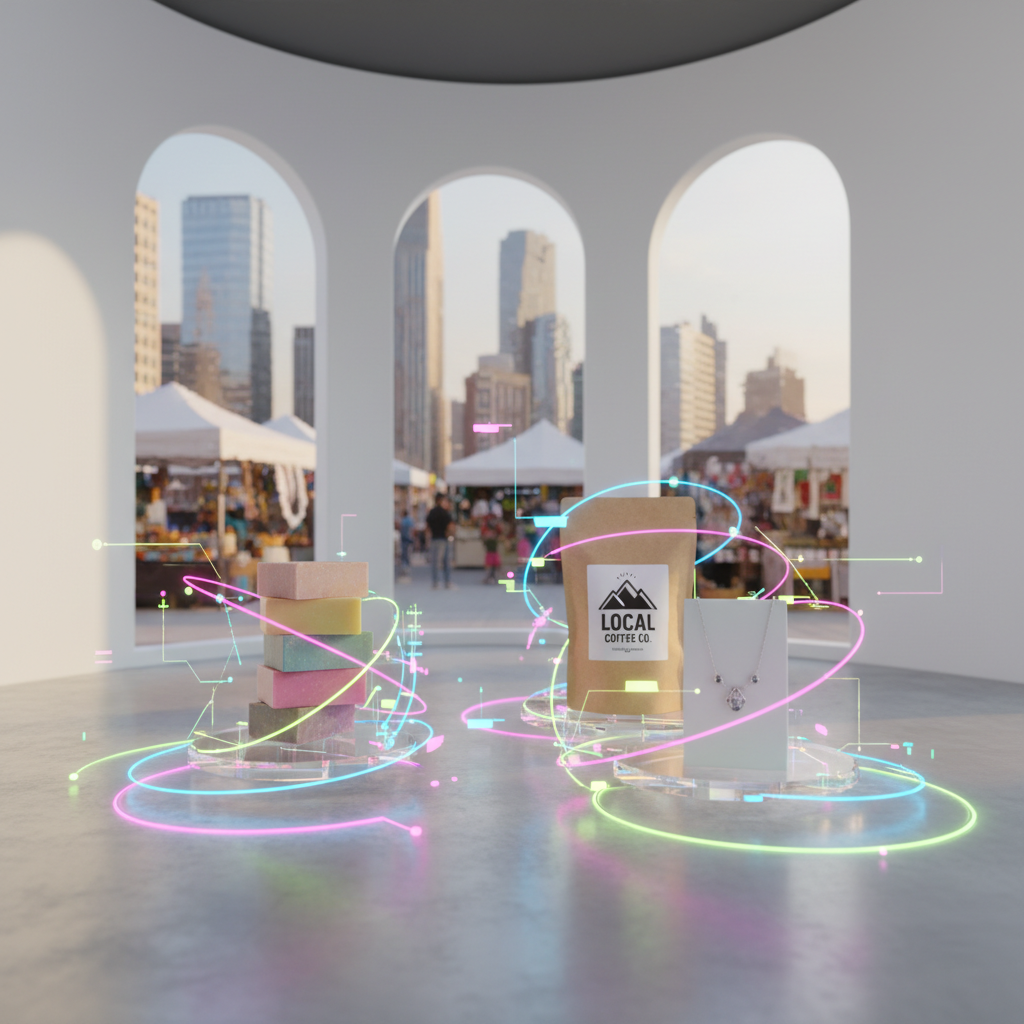
AI for creating product photos for hyperlocal and small businesses
The digital storefront is now as crucial as the physical one for many entrepreneurs. AI for creating product photos for hyperlocal and small businesses is rapidly becoming an indispensable tool, leveling the playing field for independent retailers and service providers. This innovative technology allows even the smallest brick-and-mortar stores to generate high-quality, professional product images without expensive equipment or professional photographers. By leveraging artificial intelligence, local businesses can effortlessly enhance their online presence, attract more customers, and compete effectively in the vast e-commerce landscape. This guide will explore how AI empowers local businesses to craft stunning visuals that drive sales.
How AI Photography Tools are Transforming Product Imagery for Local Businesses
AI photography tools are revolutionizing how local businesses capture and present their products online by automating complex editing tasks and generating diverse visual content from minimal input. These tools significantly reduce the time and cost associated with traditional product photography, making professional-grade images accessible to everyone. Small businesses, often operating with limited budgets and time, find these advancements particularly beneficial. For more insights, check out our guide on AI image.

For AI photography tools for brick-and-mortar stores going online 2026, the focus is on seamless integration and intuitive design. These tools can take a simple smartphone photo of a product and instantly remove the background, adjust lighting, and even place the item into a realistic lifestyle scene. This capability is a game-changer for local shops looking to expand their reach beyond physical storefronts. They no longer need to invest in expensive studio setups or hire professional photographers for every new item.
Simplifying Visual Production for Brick-and-Mortar Stores Going Online
The transition from a physical store to an online presence can be daunting, especially when it comes to visual content. AI tools simplify this process dramatically. They automate the most time-consuming aspects of product photography, such as background removal and color correction. A local bakery, for instance, can photograph its freshly baked goods on a countertop and let AI place them in an elegant café setting. This efficiency allows owners to focus on their core business while maintaining a polished online catalog.
Enhancing Product Appeal with AI-Powered Backgrounds and Lighting
Creating visually appealing product photos is critical for attracting online customers. AI-powered platforms offer a vast library of backgrounds, from minimalist white studios to vibrant outdoor scenes, all customizable to fit a brand’s aesthetic. Furthermore, AI can intelligently adjust lighting to highlight product features, making items look more appealing and professional. This ensures that even products photographed under less-than-ideal conditions can achieve a high-end look online. The ability to experiment with different visual contexts quickly helps businesses understand what resonates best with their target audience.
Overcoming Common Photography Challenges for Small Retailers
Small retailers frequently face challenges like inconsistent lighting, cluttered backgrounds, and a lack of photography expertise. AI tools directly address these issues. They provide a consistent quality standard across all product images, regardless of the original photo’s conditions. This consistency builds brand trust and professionalism. Moreover, the user-friendly interfaces of these tools mean that even non-tech-savvy individuals can produce stunning visuals, democratizing access to high-quality product imagery.
Unlocking E-commerce Potential: AI for Helping Local Retailers Create Product Images
AI is crucial for local retailers transitioning to e-commerce, offering intuitive solutions to generate compelling product images that attract online shoppers and accurately represent their offerings. It empowers businesses to quickly populate their online catalogs with diverse, high-quality visuals. This capability is essential for competing in a digital marketplace where visual appeal often dictates initial customer interest. For more insights, check out our guide on AI image.

The phrase “AI for helping local retailers create ecommerce product images” encapsulates a significant shift in how small businesses approach online sales. Traditionally, setting up an e-commerce store required a substantial investment in photography. Now, AI allows retailers to take a few simple shots of their products and transform them into polished, consistent images suitable for any online platform. This includes everything from clothing boutiques needing models and diverse settings to artisan shops showcasing intricate handmade goods.
Bridging the Gap Between Physical and Digital Storefronts with AI
Moving from a physical storefront to a robust online presence requires more than just listing products. It demands a visual strategy that translates the in-store experience to the digital realm. AI product photography tools bridge this gap by enabling retailers to create a visually rich online catalog that mirrors the quality and curated feel of their physical space. They can generate multiple angles, close-ups, and even contextual shots that help customers visualize the product in use, much like they would examine it in person. This comprehensive visual presentation builds confidence and reduces buyer hesitation.
Achieving Visual Consistency for Online Product Catalogs
Consistency in product imagery is a hallmark of professional e-commerce stores. It reinforces brand identity and provides a seamless browsing experience for customers. AI tools excel at maintaining this consistency by applying uniform backgrounds, lighting, and styling across all products. For example, a local bookstore can ensure all book covers are displayed with the same clean, well-lit backdrop, regardless of when or how the original photos were taken. This uniform aesthetic makes the entire online catalog appear cohesive and trustworthy, elevating the brand’s perception.
Driving Online Sales Through Engaging AI-Generated Visuals
High-quality, engaging product images are directly linked to higher conversion rates in e-commerce. AI-generated visuals can create dynamic and attractive product displays that capture shopper attention. By offering options for lifestyle shots, seasonal themes, or even 3D renderings, AI allows retailers to present their products in the most appealing light possible. This visual storytelling helps customers connect with the product emotionally, leading to increased interest and ultimately, more sales. The ability to quickly generate and test different visual approaches also provides valuable insights into customer preferences.
Getting Started with AI Product Photography: A Starter Guide for Beginners
Beginners can easily start with AI product photography by selecting user-friendly platforms, understanding basic image input requirements, and experimenting with various AI-driven features to enhance their product visuals. This process simplifies what traditionally required extensive technical knowledge and equipment. The goal is to demystify the technology and make professional-looking product photos achievable for everyone, regardless of their prior experience.
For those seeking an AI product photography starter guide for beginners 2026, the journey begins with understanding that you don’t need a professional camera. A modern smartphone is often sufficient to capture the initial product image. The AI then takes over, transforming these basic shots into polished, e-commerce-ready assets. This accessibility is a key factor in the widespread adoption of AI tools by small and hyperlocal businesses.
Choosing Your First AI Product Photography Platform
The market offers a growing number of AI product photography platforms, each with its unique features and pricing. For beginners, it’s crucial to choose a platform known for its intuitive interface and ease of use. Look for options that offer free trials or freemium models, allowing you to experiment before committing. Consider platforms that provide:
* Simple Upload Process: Drag-and-drop functionality for images.
* One-Click Enhancements: Automated background removal, lighting adjustments.
* Template Libraries: Pre-designed scenes and styles for various products.
* Tutorials and Support: Resources to guide you through the initial learning phase.
Researching user reviews and watching demo videos can also help in making an informed decision.
Essential Steps for Generating Your First AI Product Photos
Once you’ve chosen a platform, generating your first AI product photos is a straightforward process:
1. Capture a Clear Base Image: Use good natural light or a well-lit area. Ensure the product is in focus and well-represented. A plain background is helpful but not strictly necessary for AI.
2. Upload to the AI Tool: Follow the platform’s instructions to upload your image.
3. Utilize Core AI Features:
* Background Removal: Often a one-click process that isolates your product.
* Background Generation: Select from a library of artificial backgrounds or describe a custom scene.
* Lighting Adjustment: Enhance shadows and highlights to make the product pop.
* Styling: Apply filters or adjust colors to match your brand.
4. Review and Refine: Most tools allow you to tweak the AI’s output. Experiment with different settings until you achieve the desired look. Don’t be afraid to try several variations.
Tips for Optimizing AI-Generated Images for E-commerce
After generating your images, a few final steps ensure they are e-commerce ready. Always download images in high resolution but optimize their file size for fast loading on your website. Use descriptive filenames and alt text for SEO purposes. Consistency in image dimensions and styling across your product range is also vital for a professional online store. Regularly review your product photos on different devices to ensure they look good everywhere.
Streamlining Visual Content: AI Tools for Non-Tech-Savvy Sellers to Create Product Photos
AI tools specifically designed for non-tech-savvy sellers simplify the entire product photography process, providing intuitive interfaces and automated features that eliminate the need for complex software or advanced photography skills. These platforms empower anyone to produce professional-grade images. The primary focus is on ease of use, ensuring that the technology enhances rather than complicates the seller’s workflow. For more insights, check out our guide on AI image.
The rise of “AI tools for non-tech-savvy sellers to create product photos” has democratized access to high-quality visual content. These tools are built with a user-first approach, often featuring drag-and-drop functionalities, clear instructions, and pre-set options that require minimal input. This means a small business owner can spend less time learning software and more time managing their business.
User-Friendly Interfaces: AI for Every Seller
The hallmark of AI tools designed for non-tech-savvy users is their incredibly user-friendly interfaces. These platforms prioritize simplicity, often resembling common social media apps rather than complex photo editing suites. Key features include:
* Visual Prompts: Guiding users through each step with clear, concise instructions.
* Pre-set Templates: Offering ready-to-use scenes and styles tailored for different product categories.
* One-Click Solutions: Automating tasks like background removal, color correction, and shadow generation with a single click.
* Mobile-First Design: Many tools are optimized for mobile devices, allowing sellers to capture, edit, and upload photos directly from their smartphones.
This design philosophy removes the intimidation factor often associated with advanced technology, making AI accessible to a broader audience of small business owners.
Automated Enhancements: From Basic Snap to Professional Shot
The true power of these AI tools lies in their automation capabilities. A seller can take a basic snapshot of their product, perhaps on a cluttered desk, and the AI will automatically:
1. Isolate the Product: Precisely cut out the item from its original background.
2. Generate a New Background: Place the product on a clean white background, a studio setting, or a lifestyle scene.
3. Adjust Lighting and Shadows: Create realistic lighting conditions and shadows that make the product appear natural in its new environment.
4. Enhance Details: Improve color vibrancy, sharpness, and overall image quality.
This transformation happens in seconds, turning an amateur photo into a professional-grade image ready for e-commerce. The automation saves significant time and effort, allowing sellers to process a large volume of products efficiently.
Time and Cost Savings for Small Business Owners
For small business owners, time is money, and traditional product photography can be both time-consuming and expensive. AI tools drastically cut down on these overheads. There’s no need to:
* Purchase expensive cameras, lighting equipment, or studio backdrops.
* Spend hours learning complex photo editing software like Photoshop.
* Hire professional photographers for every new product launch.
Instead, a minimal investment in an AI tool can yield consistent, high-quality results. This cost-effectiveness is particularly beneficial for hyperlocal businesses operating on tight margins, enabling them to allocate resources to other critical areas of their operations.
Choosing the Right AI Product Photo Generator for Your Small Business Needs
Selecting the ideal AI product photo generator for a small business involves evaluating factors such as ease of use, feature set, pricing models, and the specific types of products being sold. The best tool will align with both budget and technical comfort level. A careful assessment ensures that the chosen platform genuinely enhances your workflow and meets your visual content requirements.
As you navigate the landscape of AI-powered solutions, consider what truly matters for your operations. Whether you need a simple background remover or a sophisticated AI image generator capable of creating entire scenes, the right choice depends on your specific business context. The market offers a variety of options, from free basic tools to advanced subscription services, each catering to different levels of need and expertise.
Key Features to Look for in AI Product Photography Software
When evaluating different AI product photography software, certain features stand out as particularly beneficial for small businesses:
* Automated Background Removal: This is often the most sought-after feature, providing clean, professional product isolation.
* Diverse Background Options: Access to a library of realistic and stylized backgrounds, including lifestyle scenes.
* Lighting and Shadow Control: The ability to realistically adjust light sources and generate natural-looking shadows.
* Batch Processing: For businesses with many products, the ability to edit multiple images simultaneously is a huge time-saver.
* Image Upscaling and Enhancement: Tools that can improve the resolution and clarity of lower-quality original photos.
* Ease of Integration: Compatibility with popular e-commerce platforms (e.g., Shopify, Etsy) for seamless uploading.
* User Interface (UI): An intuitive, easy-to-navigate interface is paramount for non-tech-savvy users.
Understanding Pricing Models for AI Image Generation
AI product photography tools come with various pricing structures, and understanding them is key to managing your budget:
| Pricing Model | Description | Best For |
| :——————– | :————————————————————— | :————————————————————– |
| Freemium | Basic features are free; advanced features require a subscription. | Beginners, businesses with very few products, testing purposes. |
| Subscription-Based | Monthly or annual fee for unlimited or a set number of images/features. | Businesses with regular product updates and consistent needs. |
| Pay-Per-Image | Charged per image generated or enhanced. | Businesses with infrequent, high-volume needs, or seasonal peaks. |
| Tiered Plans | Different subscription levels offering varying features and limits. | Growing businesses, those needing specific advanced features. |
Always read the fine print regarding image credits, storage, and feature access within each plan. Some platforms might offer a limited number of free images per month, which can be a good starting point for very small operations.
Matching AI Capabilities to Your Product Photography Goals
Your specific business goals should guide your choice of AI tool. If you sell handcrafted jewelry, you might prioritize tools that excel at intricate detail enhancement and realistic reflections. A clothing boutique, on the other hand, might need a tool that can generate diverse model shots or lifestyle scenes. Consider:
* Product Type: Does the tool handle reflective surfaces, textures, or complex shapes well?
* Brand Aesthetic: Can the AI generate images that align with your desired brand look and feel?
* Volume of Products: Do you need batch processing for hundreds of items or just a few unique pieces?
* Skill Level: Are you comfortable with some customization, or do you need fully automated solutions?
By carefully matching the AI’s capabilities to your unique requirements, you can select a tool that provides the most value and significantly boosts your online visual presence.
Best Practices for Optimizing AI-Generated Product Photos for Online Sales
Optimizing AI-generated product photos for online sales involves ensuring high resolution, consistent branding, proper file formatting, and strategic use across e-commerce platforms to maximize visual impact and conversion rates. This ensures images not only look good but also perform well in terms of website speed and search engine visibility. Effective optimization is a critical step after creation.
Simply generating beautiful images with AI is only half the battle; how you deploy them online determines their ultimate effectiveness. Implementing best practices for your AI for creating product photos for hyperlocal and small businesses ensures that your visual assets contribute directly to your sales goals. This includes technical considerations as well as strategic placement and presentation.
Technical Optimization: Resolution, File Size, and Web Performance
For e-commerce, striking a balance between image quality and website performance is crucial. High-resolution images are vital for showcasing product details, but excessively large file sizes can slow down your website, leading to poor user experience and lower search engine rankings.
* Resolution: Aim for a resolution that allows customers to zoom in and see details without pixelation, typically around 1500-2000 pixels on the longest side for main product images.
* File Format: Use modern, web-friendly formats like WebP or JPEG. WebP generally offers superior compression without significant loss of quality.
* File Size: Compress images to reduce file size without compromising visual quality. Many e-commerce platforms offer automatic compression, but you can also use online tools. Target file sizes under 200-300 KB per image.
* Lazy Loading: Implement lazy loading for images, so they only load as the user scrolls down the page, improving initial page load times.
Branding and Consistency Across Your Product Line
Consistency in your product imagery reinforces your brand identity and creates a professional online storefront. When using AI tools, ensure that:
* Backgrounds are Uniform: Whether you choose a plain white, a solid color, or a specific lifestyle scene, maintain it across all products in a category or your entire store.
* Lighting is Consistent: AI can adjust lighting, so ensure it matches your brand’s desired mood – bright and airy, or dark and dramatic.
* Product Angles are Standardized: Present products from similar angles (e.g., front, side, back, detail shot) for a cohesive look.
* Color Palette is Aligned: If your brand uses specific colors, ensure the AI-generated images complement or incorporate them subtly.
This visual harmony helps customers navigate your store more easily and builds trust in your brand.
Leveraging AI Photos for E-commerce SEO and User Engagement
Optimized AI-generated photos can significantly boost your e-commerce SEO and user engagement.
* Alt Text: Always add descriptive alt text to your images. This helps search engines understand the image content and improves accessibility for visually impaired users. Include relevant keywords naturally.
* Descriptive Filenames: Use filenames that describe the product (e.g., `blue-ceramic-mug-front-view.webp`) rather than generic ones (e.g., `IMG_1234.webp`).
* Multiple Angles and Lifestyle Shots: Provide a variety of images for each product. This includes standard product shots, close-ups of details, and lifestyle images showing the product in use. This helps customers make informed decisions and reduces returns.
* A/B Testing: Experiment with different types of AI-generated images (e.g., lifestyle vs. plain background) to see which ones perform better in terms of clicks and conversions.
* Product Videos: Some advanced AI tools can even generate short product videos or 360-degree spins, which are highly engaging and can significantly increase conversion rates.
What is AI product photography?
AI product photography uses artificial intelligence algorithms to automate and enhance the process of creating product images. This includes tasks like background removal, lighting adjustment, generating new backgrounds, and even creating entire scenes
around a product without the need for physical staging or professional studio equipment. It leverages machine learning to analyze product images and apply various enhancements, making high-quality photography accessible and affordable for businesses of all sizes.
How does AI product photography benefit small businesses and hyperlocal brands?
AI product photography offers significant advantages by drastically cutting down on costs and time associated with traditional photography. Small businesses can generate a large volume of high-quality, professional-looking product images quickly, allowing them to update inventory faster, maintain consistency across their brand, and compete more effectively with larger retailers without needing a studio, expensive equipment, or a professional photographer for every shoot. It democratizes access to premium visuals, making professional imagery attainable for even the tightest budgets.
Is AI product photography expensive or difficult to use for beginners?
Generally, AI product photography tools are designed to be user-friendly and cost-effective, especially when compared to traditional methods. Many platforms offer free trials or tiered pricing plans, making them accessible even for businesses with limited budgets. Most interfaces are intuitive, often requiring users to simply upload a product image and select desired backgrounds or styles, making them easy for beginners to pick up and use without prior photography or design experience.
Can AI-generated images look realistic enough for e-commerce?
Yes, modern AI product photography has advanced significantly, producing highly realistic and professional-grade images. With sophisticated algorithms, AI can accurately simulate lighting, shadows, textures, and reflections, making products appear as if they were photographed in a real studio or lifestyle setting. The key is often starting with a decent base product photo and utilizing the AI’s capabilities to enhance it naturally, ensuring authenticity and trust with customers. Many tools allow for fine-tuning to achieve the desired level of realism.
What are some popular AI tools for creating product photos?
Several AI tools are gaining popularity for product photography, catering to various needs and skill levels. Some notable examples include PhotoRoom, Glorify, Pixelcut, and even more advanced platforms like Midjourney or DALL-E 3 when integrated with specific product image editing workflows. These tools often offer features like instant background removal, AI background generation, lighting adjustments, shadow creation, and batch processing, significantly streamlining the image creation process for small business owners.
The Future of Product Visuals for Small Business is Here
In the competitive landscape of e-commerce, compelling product visuals are no longer a luxury but a necessity. For hyperlocal and small businesses, AI product photography represents a game-changer, leveling the playing field and providing access to professional-grade imagery that was once out of reach. By embracing AI, you can enhance your brand’s online presence, improve SEO, boost user engagement, and ultimately drive sales, all while saving valuable time and resources. Don’t let the lack of a professional studio or a hefty photography budget hold you back; leverage the power of AI to tell your product’s story visually and captivate your audience. The future of stunning, affordable product photography is here, and it’s powered by AI.