

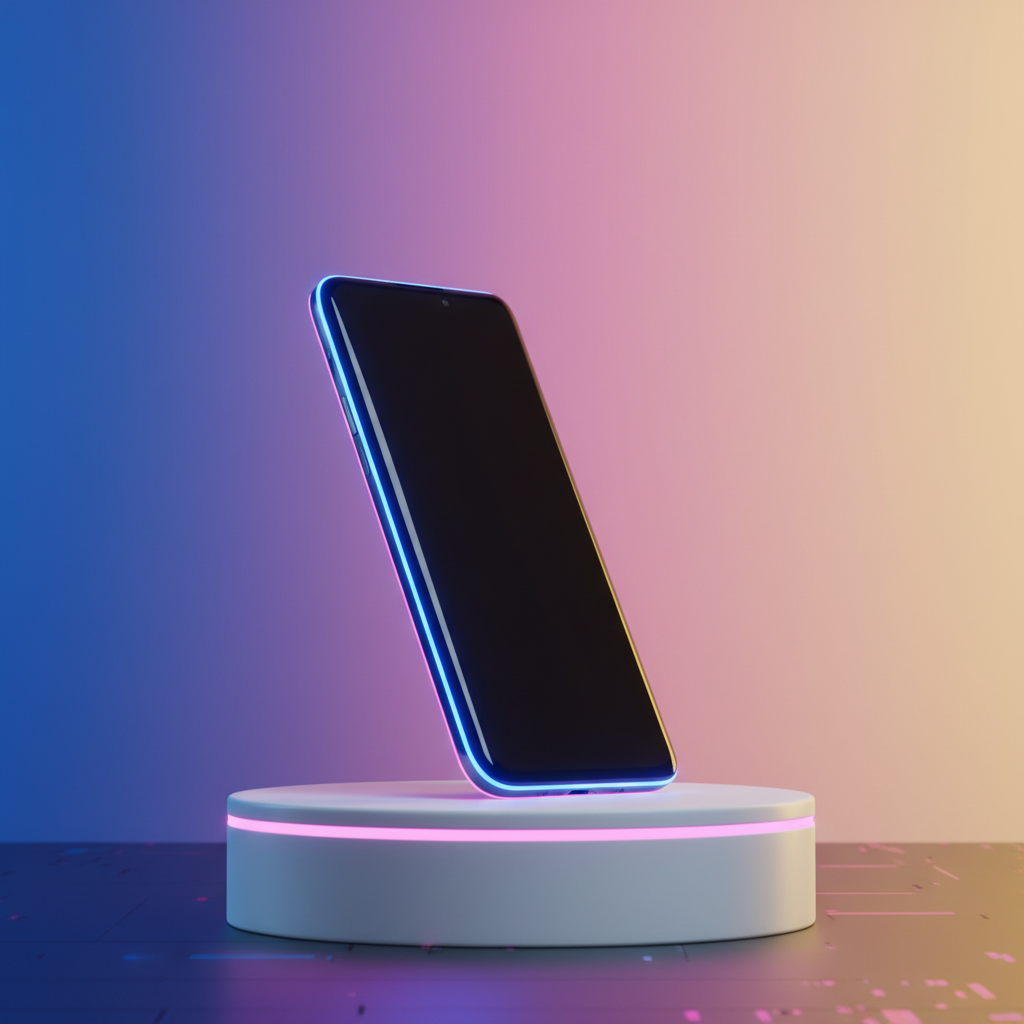
AI For Creating Studio Lighting Effects On Product Photos 2026
The landscape of product photography is rapidly evolving, with AI for creating studio lighting effects on product photos emerging as a groundbreaking technology. This innovative application of artificial intelligence allows photographers and e-commerce businesses to achieve professional-grade lighting without the need for extensive physical studio setups or costly equipment. By leveraging AI, brands can simulate complex lighting scenarios, enhance visual appeal, and significantly streamline their post-production workflow, making high-quality product imagery more accessible and efficient than ever before.
Simulating Studio Softbox Lighting with AI for Product Photography
AI tools can effectively simulate softbox lighting in product photography by analyzing the product’s form, texture, and existing light, then intelligently generating diffuse, even illumination. This process replicates the soft, flattering light quality that professional softboxes provide, eliminating harsh shadows and highlighting product details without physical equipment. The ability of AI for simulating softbox lighting in product photography revolutionizes how e-commerce businesses capture and present their products.
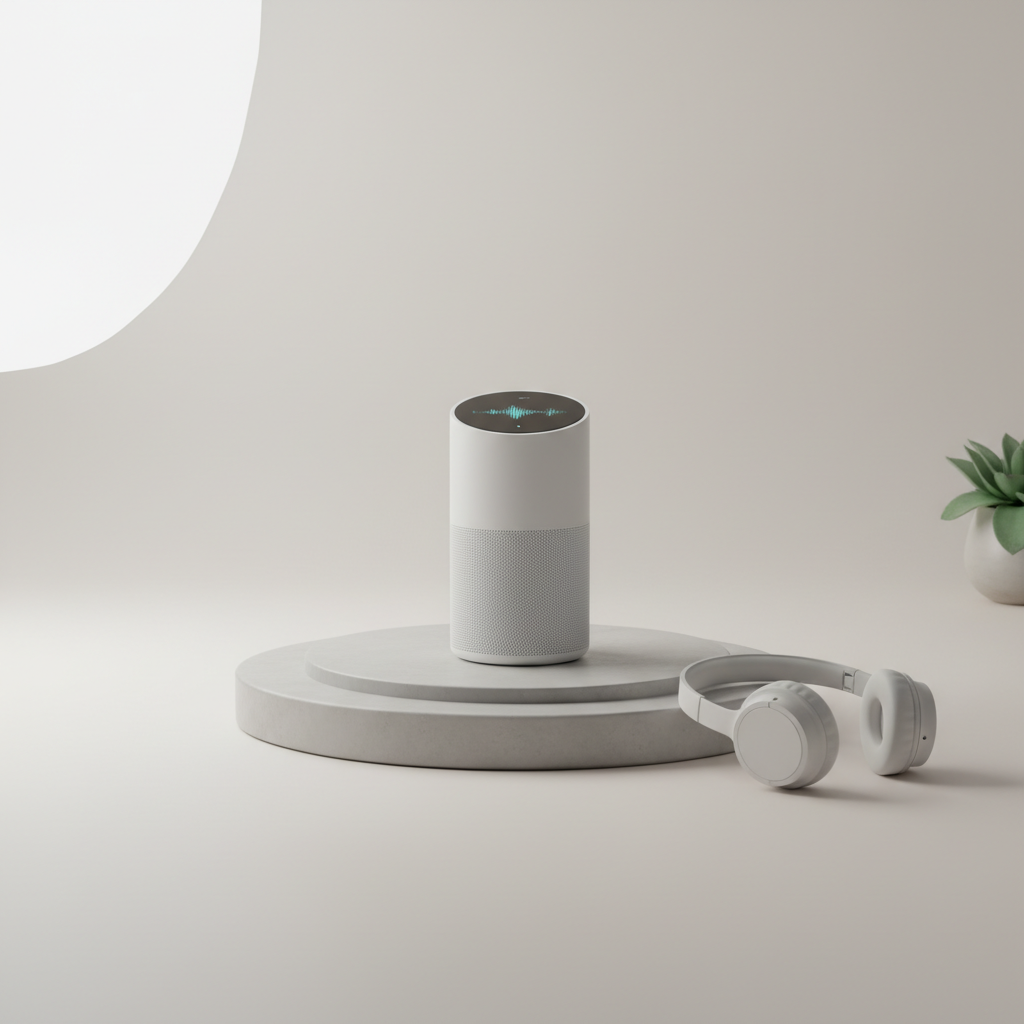
Historically, achieving perfect softbox lighting required expensive equipment, a dedicated studio space, and considerable expertise. Now, AI-powered platforms can take a standard product image and apply realistic softbox effects, adjusting the size, intensity, and position of virtual light sources. This allows for consistent branding across all product images, regardless of the original shooting conditions. Businesses can save significant time and resources, making professional-grade visuals accessible to even small startups.
How AI Replicates Soft, Even Illumination for Products
AI replicates soft, even illumination by understanding the principles of light diffusion and reflection. It uses advanced algorithms to model how light interacts with surfaces, simulating the way a softbox spreads light over a broader area. This results in gradual transitions between light and shadow, which is characteristic of professional studio lighting. The AI analyzes the object’s geometry to ensure the virtual light source casts shadows and highlights precisely where they would naturally occur.
Benefits of AI-Driven Softbox Effects for E-commerce
The benefits of AI-driven softbox effects for e-commerce are numerous and impactful. They include reduced photography costs, faster production times, and greater consistency in product imagery. E-commerce platforms thrive on high-quality visuals, and AI ensures every product looks its best. This technology allows for rapid iteration and experimentation with different lighting setups without reshooting.
* Cost Savings: Eliminates the need for expensive lighting equipment and studio rentals.
* Time Efficiency: Drastically reduces post-production editing time for lighting adjustments.
* Consistency: Ensures uniform lighting across an entire product catalog, enhancing brand professionalism.
* Accessibility: Makes professional lighting effects available to businesses without specialized photography knowledge.
* Flexibility: Allows for easy adjustments to light direction, intensity, and softness after the photo is taken.
Crafting Dramatic Backlit Rim Light Using AI in Product Imagery
AI can add dramatic backlit rim light to product photos by intelligently detecting product edges and applying a virtual light source from behind, creating a glowing outline that separates the product from its background. This technique enhances depth and visual interest, making the product pop with a professional, high-end aesthetic. The application of AI for adding dramatic backlit rim light to product photos is transforming how brands create captivating visuals.

Traditional rim lighting is a challenging technique, requiring precise light placement and power to avoid lens flare and overexposure while still achieving that distinct glow. AI simplifies this considerably, allowing users to define the direction, color, and intensity of the virtual rim light with intuitive controls. This capability is particularly valuable for showcasing products with intricate shapes or textures, as the rim light accentuates their contours beautifully. It adds a premium feel, often associated with luxury goods advertising.
How AI Generates Edge-Defining Backlighting Effects
AI generates edge-defining backlighting effects by employing sophisticated image segmentation and light rendering algorithms. It first identifies the precise boundaries of the product against its background. Then, it simulates a light source positioned behind the product, calculating how light would refract and reflect along those edges. This creates a luminous halo, or “rim,” that effectively separates the product from its environment and adds a sense of three-dimensionality.
Enhancing Product Appeal with AI-Powered Rim Lighting
Enhancing product appeal with AI-powered rim lighting is a powerful strategy for e-commerce and marketing. This dramatic lighting technique instantly elevates the perceived value and quality of a product. It draws the viewer’s eye directly to the item, making it the undeniable focal point of the image. The visual impact of a well-executed rim light can significantly boost engagement and conversion rates, as it communicates sophistication and attention to detail.
* Creates a premium, high-end look.
* Increases product visibility and separation from the background.
* Adds depth and dimension to flat images.
* Highlights product contours and intricate details.
* Captures viewer attention with a striking visual effect.
Achieving Golden Hour Effects on Outdoor Products with AI Enhancements
AI can create golden hour lighting on outdoor product images by analyzing the existing light conditions and then intelligently applying warm, soft, and directional light overlays that mimic the sun’s appearance during sunrise or sunset. This infuses images with a natural, inviting glow and enhances the product’s aesthetic appeal. The use of AI for creating golden hour lighting on outdoor product images offers a versatile solution for brands seeking evocative outdoor visuals.
The “golden hour” is a coveted time for photographers due to its unique lighting qualities: soft, warm, and long shadows that add depth and mood. Replicating this naturally requires perfect timing and weather conditions, which are often unpredictable. AI eliminates these dependencies, allowing any outdoor product photo to be transformed into a golden hour masterpiece. This is especially useful for lifestyle product photography where the environment plays a crucial role in storytelling. AI can adjust not only the color temperature but also the direction and diffusion of light to perfectly match the desired golden hour aesthetic.
Simulating Natural Warmth and Directional Light with AI
AI simulates natural warmth and directional light by employing advanced color grading and virtual light source placement. It first identifies elements in the image that would naturally interact with sunlight, such as reflections on surfaces or shadows cast by objects. Then, it applies a warm color overlay to mimic the sun’s low angle and rich hue, while simultaneously generating soft, elongated shadows that align with a virtual sun position. This creates a cohesive and believable golden hour effect.
Applications of AI Golden Hour Effects in Lifestyle Product Photography
The applications of AI golden hour effects in lifestyle product photography are extensive. This lighting style is ideal for products associated with outdoor activities, comfort, luxury, or natural ingredients. It evokes feelings of warmth, tranquility, and aspiration, connecting emotionally with potential customers. From apparel and accessories to outdoor gear and cosmetics, a golden hour treatment can significantly enhance a product’s narrative and market appeal.
Consider these scenarios where AI golden hour effects excel:
* Apparel: Showcasing clothing with a relaxed, natural vibe.
* Outdoor Gear: Highlighting camping equipment, hiking boots, or adventure accessories.
* Beverages: Emphasizing refreshing drinks with a sunset backdrop.
* Home Goods: Presenting patio furniture or garden decor in an idyllic setting.
* Cosmetics: Suggesting a natural, radiant glow for beauty products.
AI Lighting Correction and Enhancement Tools for Product Photography Optimization
AI lighting correction tools for product photography 2026 are designed to automatically identify and rectify common lighting imperfections, such as underexposure, overexposure, color casts, and uneven illumination. These tools analyze an image’s lighting data and apply intelligent adjustments to achieve balanced, professional-grade lighting, significantly streamlining the editing process. They are indispensable for maintaining consistency across large product catalogs.
Even with careful shooting, lighting inconsistencies can occur. AI lighting correction tools act as a virtual lighting assistant, capable of performing complex adjustments with a single click. This includes balancing highlights and shadows, correcting white balance, and even removing unwanted reflections or glare. The precision and speed of these tools mean that photographers can spend less time on tedious manual corrections and more time on creative aspects. For e-commerce businesses, this translates into faster time-to-market for new products and a higher volume of perfectly lit images.
Automating Exposure and White Balance Adjustments with AI
AI automates exposure and white balance adjustments by utilizing machine learning algorithms trained on vast datasets of correctly exposed and color-balanced images. When presented with a new image, the AI assesses its luminance levels and color temperature. It then applies corrective measures to bring the exposure within an optimal range and neutralize any unwanted color casts, ensuring colors are true to life. This automation is crucial for efficiency in high-volume product photography.
Advanced AI Features for Removing Glare and Reflections
Advanced AI features for removing glare and reflections are increasingly sophisticated. These tools can intelligently detect specular highlights and unwanted reflections on shiny product surfaces. They then use inpainting and reconstruction techniques to seamlessly remove these distractions, often by inferring the underlying texture and color. This capability is particularly beneficial for products made of glass, metal, or highly polished materials, where reflections can obscure details or create visual clutter.
Here’s a comparison of traditional vs. AI-powered lighting correction:
| Feature | Traditional Manual Correction | AI-Powered Correction |
|---|---|---|
| Speed | Slow, meticulous, per-image basis | Instant, batch processing capable |
| Consistency | Variable, depends on editor’s skill | High, algorithm-driven uniformity |
| Skill Required | High-level editing expertise | Minimal, user-friendly interfaces |
| Cost | High (editor’s time, software licenses) | Lower (subscription to AI tools) |
| Complexity Handled | Limited by editor’s time/skill | Complex issues like glare removal |
| Scalability | Difficult to scale for large volumes | Highly scalable for mass production |
Advanced AI Techniques for Creative and Customized Product Lighting Effects
Beyond standard corrections, advanced AI techniques offer creative and customized product lighting effects by allowing users to generate entirely new lighting scenarios, combine multiple light sources, and even simulate environmental lighting. These capabilities empower photographers to experiment with artistic expressions, creating unique moods and narratives around their products without physical constraints. This pushes the boundaries of traditional product photography, enabling truly bespoke visuals.
The power of AI extends far beyond simple emulation; it delves into generative capabilities. Imagine taking a product photo shot in a basic setup and then, with AI, placing it under a dramatic spotlight in a virtual art gallery, or bathed in the soft glow of a moonlit forest. AI can interpret textual prompts or user-drawn masks to generate specific lighting effects, offering unparalleled creative freedom. This means designers can envision a particular lighting mood and then use AI to bring it to life, iterating rapidly until the perfect aesthetic is achieved.
Generating Unique Lighting Scenarios with AI
Generating unique lighting scenarios with AI involves leveraging generative adversarial networks (GANs) and other deep learning models. These models can create entirely new lighting environments based on user input, such as descriptive text or reference images. The AI can then project these virtual lighting conditions onto a product photo, adjusting shadows, reflections, and color temperatures to match the generated scene. This allows for endless creative possibilities, from abstract light patterns to hyper-realistic environmental simulations.
Combining Multiple Virtual Light Sources for Complex Effects
Combining multiple virtual light sources for complex effects is a key strength of advanced AI lighting platforms. Users can introduce numerous simulated lights, each with independent controls for type (e.g., spot, flood, ambient), intensity, color, and position. The AI then calculates the cumulative effect of these lights on the product, rendering intricate shadow patterns, nuanced reflections, and a rich interplay of light and dark. This allows for the creation of sophisticated lighting setups that would be incredibly challenging or impossible to achieve in a physical studio.
Some advanced AI lighting effects include:
1. Volumetric Lighting: Simulating beams of light passing through haze or fog for dramatic atmosphere.
2. Gobo Effects: Projecting patterns of light and shadow onto the product or background.
3. Reflected Light from Virtual Objects: Simulating light bouncing off virtual colored surfaces near the product.
4. Dynamic Light Sequences: Creating the illusion of moving light sources, like passing clouds or flickering flames.
5. Environmental HDR Integration: Seamlessly blending the product into a new environment’s lighting conditions using High Dynamic Range images.
Integrating AI Lighting into Your Product Photography Workflow: A Step-by-Step Guide
Integrating AI lighting into your product photography workflow involves capturing initial product images, importing them into an AI-powered editing platform, and then utilizing the AI tools to apply desired lighting effects and corrections. This streamlined process enhances efficiency and allows for greater creative control in post-production. It represents a significant shift from traditional, equipment-heavy studio work to a more agile, software-centric approach.
The transition to an AI-enhanced workflow can seem daunting, but it often simplifies many steps. Instead of meticulously setting up physical lights for every shot, photographers can focus on capturing clean, well-composed base images. The heavy lifting of lighting refinement then moves to the AI software, which can apply consistent styles across batches of photos. This frees up time and resources, allowing for more product shots to be processed daily while maintaining a high standard of quality. The key is to view AI not as a replacement for photography skills, but as a powerful augmentation.
Choosing the Right AI Platform for Product Lighting Effects
Choosing the right AI platform for product lighting effects depends on specific needs, budget, and desired complexity. Key considerations include the range of lighting effects offered, ease of use, integration with existing software, and pricing models. Some platforms specialize in basic corrections, while others provide advanced generative AI capabilities for creative lighting. Researching demos and user reviews can help identify the best fit for your business.
Consider these factors when selecting an AI lighting platform:
* Feature Set: Does it offer softbox simulation, rim lighting, golden hour effects, and general corrections?
* User Interface: Is it intuitive and easy to learn for your team?
* Integration: Can it integrate with your current photo editing software (e.g., Photoshop, Lightroom)?
* Batch Processing: Is it capable of applying effects to multiple images simultaneously for efficiency?
* Output Quality: Does the AI produce high-resolution, professional-grade results?
* Cost: Does the subscription or per-image cost align with your budget?
Optimizing Your Base Images for AI Lighting Enhancements
Optimizing your base images for AI lighting enhancements is crucial for achieving the best results. Start with well-focused, clean images that have relatively neutral lighting. While AI can correct many imperfections, a good starting point allows the AI to perform more effectively and produce higher-quality output. Ensure products are isolated on a clean background if possible, as this aids AI in accurate segmentation and light application.
Tips for optimizing base images:
1. Consistent Background: Use a plain, neutral background (white, grey) for easy product isolation.
2. Sharp Focus: Ensure the product is in sharp focus to capture all details.
3. Even Base Lighting: Use basic, even lighting to avoid extreme shadows or highlights that might confuse the AI.
4. Accurate White Balance: Try to get the white balance as close to neutral as possible during shooting.
5. High Resolution: Provide high-resolution images to allow the AI ample data for detailed enhancements.
What is AI for creating studio lighting effects on product photos?
AI for creating studio lighting effects on product photos refers to the use of artificial intelligence algorithms to digitally simulate, correct, and enhance lighting conditions in product images. This technology allows users to apply professional studio lighting aesthetics, such as softbox diffusion or dramatic backlighting, without needing physical lighting equipment. It analyzes image data to intelligently render realistic light and shadow.
Can AI truly replicate the look of a physical softbox?
Yes, AI can truly replicate the look of a physical softbox by generating diffuse, even illumination that mimics how light spreads from a softbox. It calculates how light would interact with the product’s surfaces, creating soft shadows and highlights. This simulation eliminates harshness and provides a flattering, professional light quality, making products appear more appealing.
Is AI lighting suitable for all types of product photography?
AI lighting is suitable for most types of product photography, particularly for e-commerce, catalog, and social media visuals. Its versatility allows for various effects, from subtle corrections to dramatic enhancements. While it excels in studio-style and lifestyle shots, highly specialized artistic photography might still benefit from traditional methods combined with AI. Its application spans a wide range of products.
How does AI add dramatic backlit rim light to product photos?
AI adds dramatic backlit rim light to product photos by first identifying the product’s edges and then digitally applying a virtual light source from behind the object. This creates a luminous outline that separates the product from its background, enhancing depth and visual impact. The AI precisely controls the light’s intensity and color for a striking effect.
What are the main benefits of using AI for golden hour lighting?
The main benefits of using AI for golden hour lighting include achieving consistent, warm, and natural-looking light effects on outdoor product images without waiting for specific times of day or weather conditions. It saves time and resources, allowing brands to evoke a desired mood and narrative in their lifestyle photography efficiently. This enhances emotional connection with consumers.
Are AI lighting correction tools easy to use for beginners?
Many AI lighting correction tools are designed with user-friendliness in mind, making them accessible even for beginners. They often feature intuitive interfaces and one-click solutions for common issues like exposure or white balance. While advanced creative effects might require some learning, basic corrections are typically straightforward, democratizing professional photo editing.
Can AI completely replace a professional product photographer?
AI cannot completely replace a professional product photographer. While AI excels at technical lighting adjustments and simulations, the creative vision, styling, composition, and artistic direction still require human expertise. AI is a powerful tool that augments a photographer’s capabilities, streamlining workflows and expanding creative possibilities, rather than replacing the human element entirely.
The integration of AI into product photography workflows marks a pivotal moment for businesses and creatives alike. The ability to generate sophisticated studio lighting effects, from the soft glow of a professional softbox to the dramatic flair of a backlit rim light, is no longer limited by physical constraints or extensive budgets. AI empowers brands to:
* Achieve consistent, high-quality product imagery across all platforms.
* Significantly reduce the time and cost associated with traditional photography and post-production.
* Experiment with diverse lighting scenarios, including evocative golden hour effects, without reshooting.
* Correct common lighting imperfections with speed and precision using advanced AI lighting correction tools.
* Unlock new creative avenues, allowing for highly customized and unique visual storytelling.
As AI technology continues to advance, its role in shaping the future of product photography will only grow, offering increasingly intuitive and powerful tools. Embrace these innovations to elevate your product visuals and captivate your audience like never before. Start exploring the potential of AI-powered lighting for your brand today.