

AI Product Photography For Industrial And B2B Equipment 2026
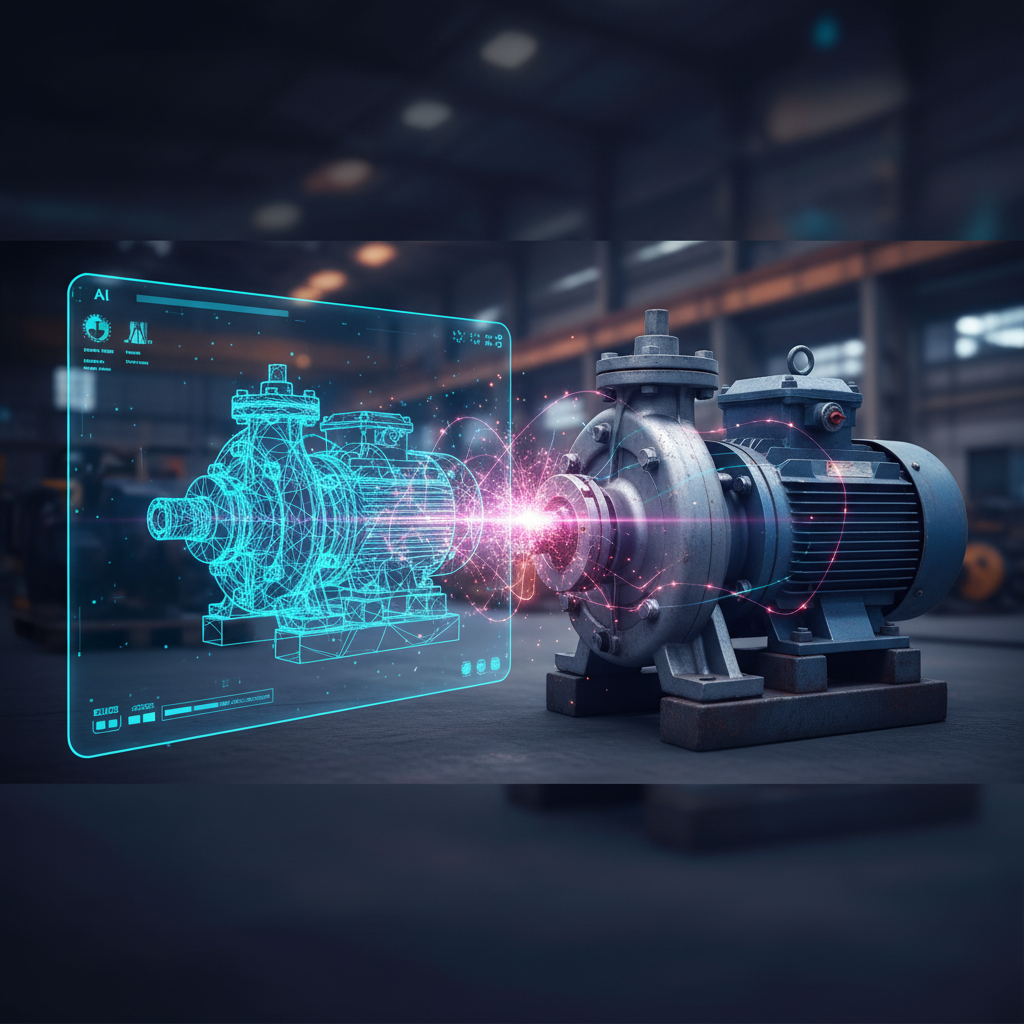
AI product photography for industrial and B2B equipment is revolutionizing how businesses showcase complex machinery, components, and specialized tools. This innovative approach leverages artificial intelligence to generate high-quality, realistic product images without the need for traditional photoshoots. It offers unparalleled efficiency, cost savings, and consistency, allowing B2B companies and industrial manufacturers to produce stunning visuals for marketing, sales, and technical documentation. This technology is becoming indispensable for creating detailed and engaging content in a competitive digital landscape.
Transforming Technical Visuals with AI Product Photography
AI product photography is fundamentally changing how industrial and B2B companies create technical visuals by enabling the rapid generation of highly detailed and accurate imagery. This technology allows for the creation of intricate product representations, including cutaways and internal views, without the physical constraints of traditional photography.
How AI for Creating Technical Product Cutaway Visualization Works
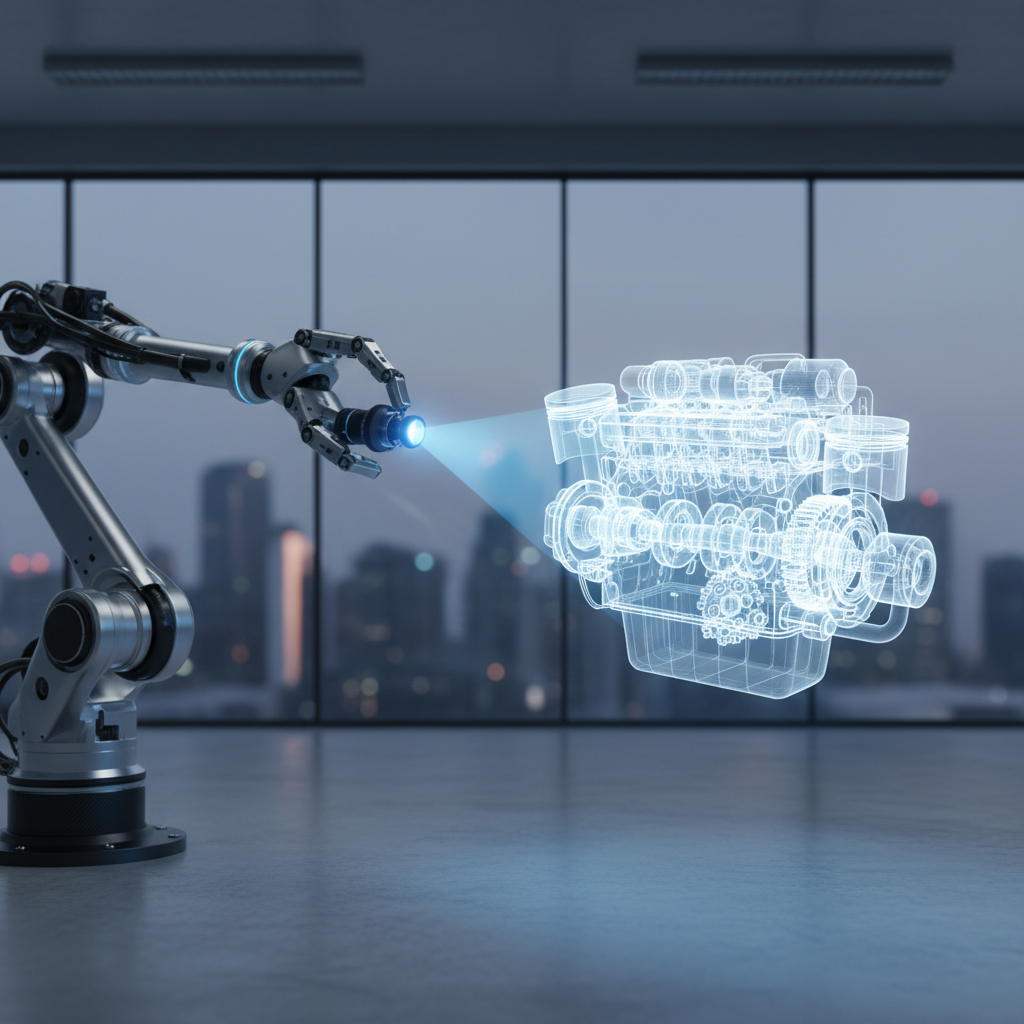
AI for creating technical product cutaway visualization utilizes advanced algorithms to render complex machinery and equipment with transparent or removed sections, revealing internal components. This process typically involves feeding 3D CAD models or detailed product specifications into an AI-powered rendering engine. The AI interprets this data to generate photorealistic images that highlight intricate internal mechanisms. It can simulate various materials, lighting conditions, and angles with remarkable precision. This capability is crucial for demonstrating the functionality and engineering excellence of industrial products.
The benefits extend beyond mere aesthetics. Engineers and sales teams can use these visuals to explain complex concepts more effectively. Training materials also become more engaging and easier to understand. The ability to quickly iterate on different cutaway views saves significant time and resources.
The Impact of AI on Detailed Component Visualization
The impact of AI on detailed component visualization is profound, offering unprecedented control and flexibility. AI allows for the isolation and detailed rendering of individual parts within a larger assembly. This is particularly valuable for B2B contexts where specific components often dictate performance or compatibility. Companies can showcase proprietary technologies or unique design features with exceptional clarity.
This level of detail is often impractical or impossible with conventional photography. AI can render components under ideal lighting, free from reflections or shadows that might obscure important features. It ensures every bolt, gear, or circuit board is perfectly visible. This precision enhances product understanding and builds greater trust with potential buyers.
Streamlining Complex Industrial Product Demonstrations
AI product photography significantly streamlines complex industrial product demonstrations, making them more accessible and impactful. Instead of shipping heavy equipment for trade shows or client visits, companies can rely on AI-generated visuals. These visuals can be integrated into interactive presentations, virtual showrooms, or augmented reality experiences.
The AI can create dynamic demonstrations, showing equipment in operation or highlighting specific features with animated sequences. This reduces logistical challenges and costs associated with transporting and setting up physical products. It also allows for a wider range of demonstration scenarios, adapting to specific client needs instantly. This agility enhances sales pitches and improves customer engagement, providing a powerful competitive advantage.
Automating Manufacturing Parts Catalog Photo Creation
AI is revolutionizing the creation of manufacturing parts catalogs by automating the generation of high-quality product images, drastically reducing the time and cost associated with traditional photography workflows. This automation ensures consistency and accuracy across vast inventories of parts.

Leveraging AI for Manufacturing Parts Catalog Photo Automation
AI for manufacturing parts catalog photo automation involves using artificial intelligence to generate product images for extensive parts inventories from 3D models or textual descriptions. This process eliminates the need for physical prototypes or elaborate studio setups. AI algorithms can render thousands of images, each perfectly lit and angled, adhering to specific brand guidelines. This capability is especially beneficial for manufacturers with rapidly expanding product lines or frequent updates to their parts catalogs.
The automation extends to various aspects, including background removal, consistent sizing, and even applying specific textures or finishes. This ensures every image in the catalog maintains a professional and uniform appearance. The efficiency gains are enormous, freeing up valuable resources that would otherwise be spent on manual photography and editing.
The Role of AI in Scalable Product Image Generation
The role of AI in scalable product image generation is paramount for businesses dealing with large and diverse product portfolios. AI systems can generate images at an unprecedented scale, far exceeding human capacity. This is crucial for industries like automotive, aerospace, and electronics, which often have hundreds of thousands of unique parts. AI can process vast amounts of data to create images for every single SKU.
This scalability ensures that new products can be quickly added to catalogs without bottlenecks in image production. It also allows for rapid updates to existing images if product specifications change. The ability to generate images on demand means catalogs can always be current and comprehensive. This responsiveness is vital in fast-paced industrial markets.
Ensuring Consistency and Accuracy in Parts Catalogs
Ensuring consistency and accuracy in parts catalogs is a core benefit of employing AI product photography. AI-driven rendering engines apply uniform parameters for lighting, perspective, and styling across all generated images. This eliminates the variations inherent in manual photography, such as inconsistent shadows, color shifts, or slight changes in angle. Each part is depicted with absolute precision.
This consistency builds brand credibility and enhances the user experience for customers browsing complex catalogs. It reduces ambiguity and helps customers quickly identify the correct parts. Furthermore, AI can be programmed to highlight critical features or dimensions, ensuring that vital technical information is always clearly visible. This level of accuracy is indispensable for industrial applications where precise identification of components is critical for safety and functionality.
Enhancing Safety Equipment and PPE Visuals with AI
AI product photography is significantly enhancing the visual representation of safety equipment and Personal Protective Equipment (PPE) brands by allowing for the creation of realistic, context-rich images that highlight product features and proper usage without expensive photoshoots. This improves clarity and promotes safer practices.
AI Product Photography for Safety Equipment and PPE Brands
AI product photography for safety equipment and PPE brands enables manufacturers to generate high-quality images of items like hard hats, safety glasses, gloves, and protective clothing. These images can depict the equipment in various simulated environments or on diverse virtual models, showcasing how they look and fit in real-world scenarios. This is particularly valuable for demonstrating compliance with safety standards and highlighting ergonomic designs. AI can create realistic textures and materials, making the protective gear appear authentic and durable.
The ability to place PPE on virtual models of different body types and in various work settings helps customers visualize the product more effectively. This aids in purchasing decisions and reinforces the importance of proper fit and usage. AI also allows for the creation of images that might be difficult or dangerous to capture in a traditional photoshoot, such as equipment being used in hazardous environments.
Demonstrating Product Features and Compliance Through AI
Demonstrating product features and compliance through AI visuals offers a powerful advantage for safety equipment manufacturers. AI can generate close-up shots that highlight specific safety features, such as reinforced stitching, impact-resistant materials, or specialized closures. It can also create composite images that overlay technical specifications or compliance badges directly onto the product.
This visual clarity helps convey the value proposition of the safety equipment more effectively. For instance, an AI-generated image could show the layers of a fire-resistant garment or the internal cushioning of a safety helmet. By clearly illustrating these features, brands can build greater trust and confidence with their customers. It also simplifies the process of communicating adherence to strict industry regulations and certifications.
Creating Realistic Usage Scenarios for PPE
Creating realistic usage scenarios for PPE through AI is a game-changer for marketing and training. AI can render workers wearing specific PPE in simulated industrial settings, construction sites, or laboratory environments. These scenarios can depict correct usage, common hazards, and the protective benefits of the equipment. This is far more effective than generic product shots.
For example, an AI image could show a worker correctly wearing a respirator in a dusty environment, or a technician using specialized gloves while handling chemicals. Such contextualized visuals help end-users understand when and how to use the equipment properly. This not only aids in sales but also contributes to better safety education and reduced workplace accidents. The flexibility of AI allows for an endless array of scenarios, catering to diverse industry needs.
Generating Exploded View Product Diagrams for E-commerce
AI is transforming e-commerce for industrial and B2B products by efficiently generating detailed exploded view product diagrams, which are crucial for showcasing complex assemblies and aiding customer understanding. These diagrams enhance product listings and support self-service repairs.
AI for Generating Exploded View Product Diagrams E-commerce
AI for generating exploded view product diagrams ecommerce leverages artificial intelligence to create visual representations of products with their components separated and suspended in space. This clearly illustrates how parts fit together and the order of assembly. For B2B e-commerce, where products are often complex machinery or intricate assemblies, these diagrams are invaluable. They allow customers to understand the product’s internal structure and identify individual components without needing a physical model.
AI takes 3D CAD models and automatically disassembles them into a visually coherent exploded view. It can apply consistent spacing, labels, and annotations, ensuring clarity and professionalism. This automation significantly speeds up the creation of these essential visual aids, which are critical for product manuals, repair guides, and online product pages.
Improving Product Understanding with Interactive Diagrams
Improving product understanding with interactive diagrams is a key benefit of AI-generated exploded views. Beyond static images, AI can facilitate the creation of interactive 3D models where users can rotate, zoom, and even click on individual components to view more details. This level of engagement is particularly powerful for complex industrial equipment. Customers can explore products at their own pace.
Interactive diagrams can also include clickable hotspots that link to part numbers, specifications, or purchasing options. This enhances the user experience on e-commerce platforms, making it easier for buyers to find exactly what they need. It transforms a passive viewing experience into an active learning and purchasing journey. This deeper understanding can lead to higher conversion rates and reduced customer support inquiries.
Streamlining Assembly and Maintenance Instructions
Streamlining assembly and maintenance instructions is another critical application for AI-generated exploded view diagrams. These visuals provide clear, step-by-step guidance for putting products together or performing routine maintenance. By showing each component in its relative position, users can easily understand the sequence of operations. This reduces errors and frustration.
For industrial clients, accurate and easy-to-follow instructions are paramount for operational efficiency and safety. AI can generate diagrams that are tailored to specific languages or regional standards. This ensures global accessibility. The ability to quickly update these diagrams as product designs evolve further enhances their value. This proactive approach to documentation significantly improves the post-purchase experience and customer satisfaction.
Optimizing Industrial Equipment Showcases Through AI
AI is optimizing industrial equipment showcases by enabling manufacturers to create diverse, high-fidelity visual content that accurately represents their products in various contexts, from cleanroom environments to rugged outdoor settings, without the logistical challenges of traditional photography.
Creating Dynamic Visual Content for Heavy Machinery
Creating dynamic visual content for heavy machinery is made significantly easier and more effective with AI product photography. AI can render large, complex machines like excavators, turbines, or automated factory lines in a multitude of virtual environments. This includes simulating different lighting conditions, weather effects, and operational scenarios. Companies can show their equipment performing tasks, highlighting its capabilities and robustness.
This eliminates the need to transport massive equipment to different locations for photoshohoots, saving immense costs and time. AI can also generate animations or 360-degree views, providing a comprehensive visual experience that static images cannot match. This dynamic content is invaluable for marketing campaigns, trade show presentations, and online product configurators, allowing potential buyers to virtually interact with the machinery.
Virtual Showrooms and Interactive Product Experiences
Virtual showrooms and interactive product experiences are becoming a reality for industrial equipment thanks to AI. AI-generated 3D models and visuals form the backbone of these immersive environments. Customers can navigate a virtual showroom, explore different products, and even customize configurations in real-time. This provides a rich, engaging experience that mimics a physical visit.
These virtual spaces can host detailed product information, technical specifications, and even virtual demonstrations. They offer a global reach, allowing potential buyers from anywhere in the world to access and interact with the product portfolio 24/7. This not only enhances the sales process but also positions brands as innovative and customer-centric. The ability to offer personalized product views based on customer preferences further elevates the experience.
Comparative Analysis: Traditional vs. AI Product Imaging
A comparative analysis highlights the clear advantages of AI product imaging over traditional methods for industrial equipment.
| Feature | Traditional Photography | AI Product Imaging |
|---|---|---|
| Cost | High (equipment, studio, travel, personnel) | Lower (software, 3D models, rendering power) |
| Time | Long (setup, shoot, post-production) | Fast (model import, automated rendering) |
| Flexibility | Limited (physical constraints) | Unlimited (any angle, environment, modification) |
| Consistency | Variable (lighting, angle, photographer skill) | Perfect (algorithmic precision) |
| Scalability | Low (manual process for each SKU) | High (automated generation for thousands of SKUs) |
| Complexity | Difficult (cutaways, exploded views) | Easy (from 3D models) |
This table clearly demonstrates that AI offers superior efficiency, scalability, and control, making it the preferred choice for modern industrial and B2B product visualization.
The Future of AI in B2B Product Imaging
The future of AI in B2B product imaging is poised for rapid advancement, with ongoing innovations in generative AI and real-time rendering promising even more sophisticated and accessible tools for creating industrial and B2B product visuals. This will further integrate AI into the entire product lifecycle.
Advancements in Generative AI for Product Design
Advancements in generative AI are extending beyond mere image creation into the realm of product design itself. AI models are now capable of suggesting design iterations or optimizing components based on specified criteria, such as material strength, weight reduction, or manufacturing feasibility. This integration means that the same 3D models used for design can seamlessly transition into AI-powered rendering pipelines for marketing visuals. The synergy between design and visualization will become increasingly fluid.
Furthermore, generative AI can create entirely new product concepts or variations based on existing designs. This accelerates the prototyping and visualization process significantly. It allows B2B companies to explore a wider range of product possibilities and bring them to market faster. This holistic approach from concept to visual representation will define the next generation of industrial product development.
Integrating AI with Augmented and Virtual Reality
Integrating AI with augmented and virtual reality (AR/VR) is opening up new frontiers for B2B product imaging and interaction. AI-generated 3D models and textures are perfectly suited for AR/VR applications, allowing customers to experience products in highly immersive ways. Imagine a prospect using an AR app to place a virtual piece of heavy machinery in their factory space, checking clearances and fit in real-time.
VR showrooms, powered by AI-rendered assets, can offer fully interactive experiences where users can walk around, inspect, and even operate virtual versions of industrial equipment. This level of immersion provides an unparalleled understanding of complex products. It also facilitates remote sales and demonstrations, overcoming geographical barriers and enhancing global collaboration. The combination of AI and AR/VR will make product exploration more intuitive and impactful.
Ethical Considerations and Data Security in AI Imaging
Ethical considerations and data security are paramount as AI imaging becomes more prevalent in the B2B sector. Protecting proprietary 3D models, design specifications, and customer data is critical. Companies must ensure that AI platforms and service providers adhere to strict data privacy protocols and cybersecurity standards. The potential for deepfakes or misleading product representations also necessitates clear guidelines and transparency.
Furthermore, issues of intellectual property for AI-generated designs and images require careful consideration. Establishing clear ownership and usage rights will be essential for widespread adoption. As AI tools become more sophisticated, the distinction between AI-generated and physically photographed images may blur, making transparency about the origin of visuals increasingly important for maintaining trust with B2B clients. Adhering to best practices in data governance and ethical AI development will be crucial for the sustained growth of this technology.
What is AI product photography for industrial equipment?
AI product photography for industrial equipment uses artificial intelligence to generate realistic images of machinery, components, and tools from 3D models or specifications. It eliminates the need for physical photoshoots, offering efficiency, cost savings, and consistent visual quality for B2B marketing and documentation. This technology is ideal for complex products.
How does AI create technical product cutaway visualizations?
AI creates technical product cutaway visualizations by interpreting 3D CAD models and rendering engines. It virtually “cuts” through the product, revealing internal mechanisms and components. This process allows for detailed views of intricate parts, demonstrating functionality and engineering design without physical disassembly. It offers precision and flexibility.
Can AI automate photo creation for manufacturing parts catalogs?
Yes, AI can automate photo creation for manufacturing parts catalogs. By inputting 3D models or product data, AI systems can generate thousands of consistent, high-quality images for each part. This significantly reduces manual effort, ensures visual uniformity, and accelerates the catalog update process, even for vast inventories. It’s highly scalable.
Why is AI product photography beneficial for safety equipment brands?
AI product photography benefits safety equipment and PPE brands by creating realistic images of products in various usage scenarios. It helps demonstrate features, proper fit, and compliance with safety standards. This enhances product understanding, promotes safer practices, and allows for showcasing equipment in challenging environments without real-world risks.
How does AI help generate exploded view product diagrams for e-commerce?
AI helps generate exploded view product diagrams for e-commerce by automatically separating components of a 3D model into a clear, visual representation. These diagrams aid customer understanding of complex assemblies, simplify assembly instructions, and support self-service maintenance. They improve product listings and reduce support inquiries for industrial products online.
What are the main advantages of AI imaging over traditional photography for B2B?
The main advantages of AI imaging over traditional photography for B2B include significantly lower costs, faster production times, unlimited flexibility in angles and environments, perfect visual consistency, and superior scalability. AI also excels at visualizing internal structures and creating complex diagrams that are difficult to capture physically.
The integration of AI product photography is fundamentally transforming how industrial and B2B companies visualize and market their complex equipment. This technology offers unparalleled efficiency, cost-effectiveness, and creative control, moving beyond traditional limitations. From generating intricate cutaway visualizations to automating vast parts catalogs, AI empowers businesses to present their products with unprecedented clarity and detail. The ability to create realistic usage scenarios for safety equipment and comprehensive exploded view diagrams for e-commerce streamlines operations and enhances customer understanding. As AI continues to evolve, its synergy with AR/VR and generative design promises even more immersive and integrated product experiences. Embracing AI product photography is no longer just an option; it is a strategic imperative for maintaining a competitive edge in the digital B2B landscape.
* Cost Efficiency: Drastically reduces expenses associated with traditional photoshoots.
* Speed & Scalability: Generates thousands of images rapidly and consistently.
* Visual Precision: Creates highly detailed, accurate, and consistent product representations.
* Enhanced Understanding: Provides clear visuals for complex products, improving customer comprehension.
* Future-Proofing: Integrates with emerging technologies like AR/VR for immersive experiences.
Explore how AI product photography can elevate your industrial and B2B equipment visuals today and unlock new possibilities for marketing and sales.