

Veo For Ecommerce Product Videos 2026 Strategy Guide
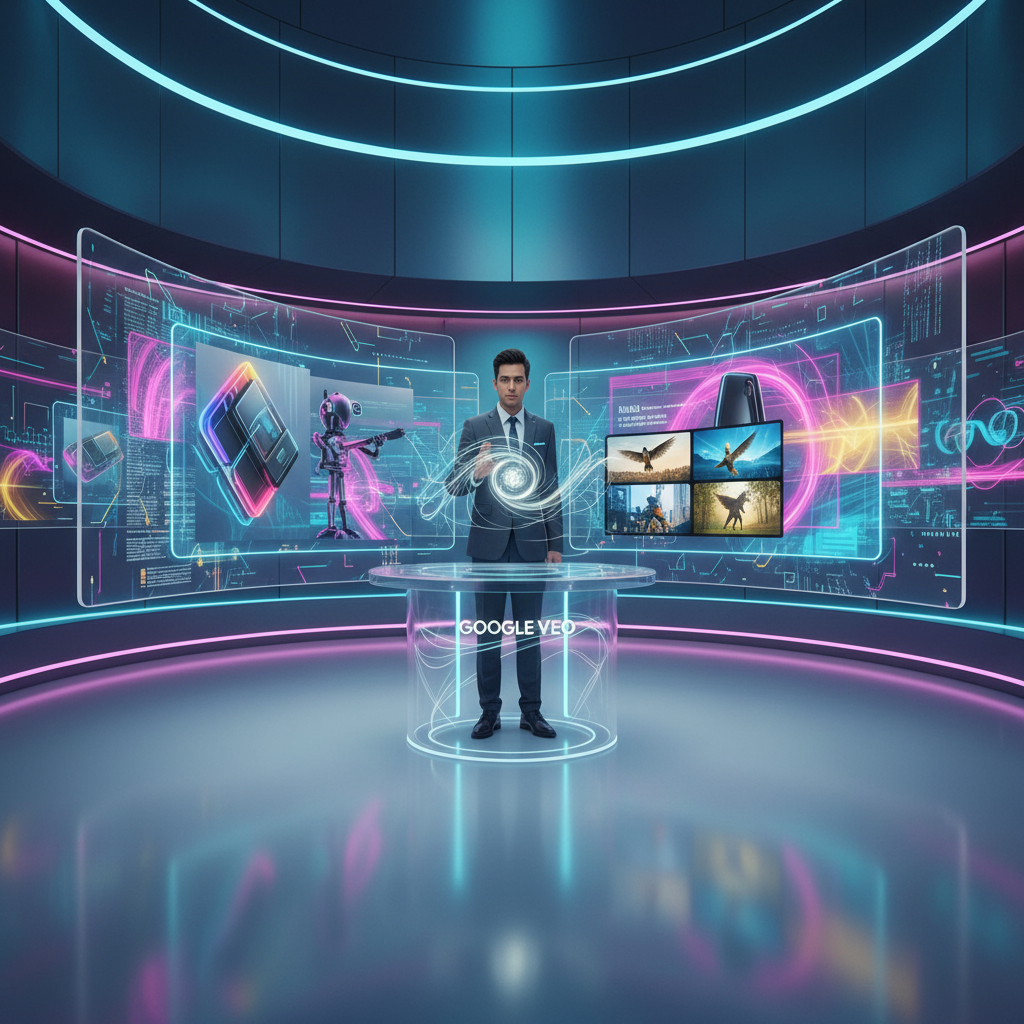
In the rapidly evolving landscape of digital commerce, Veo for ecommerce product videos is emerging as a groundbreaking tool for brands seeking to captivate audiences and drive sales. This advanced AI video generation model from Google DeepMind empowers businesses to transform static product images and text prompts into dynamic, high-quality video content. By streamlining the video creation process, Veo offers a powerful solution for ecommerce sellers looking to enhance their visual marketing strategies, create compelling product demonstrations, and produce engaging ad campaigns with unprecedented efficiency.
How Can Google Veo Revolutionize Product Ad Videos?
Google Veo is revolutionizing product ad videos by enabling ecommerce brands to generate cinematic, high-quality video content with integrated audio from simple text prompts or existing images, significantly reducing traditional production costs and timelines. This powerful AI model simplifies the creation of engaging visual assets for various marketing channels. Veo 3.1, in particular, offers features like native audio generation, realistic physics simulation, and support for up to 4K resolution, making it an ideal tool for modern advertisers.
The ability to quickly produce diverse video creatives is crucial for maintaining ad performance and combating creative fatigue. Traditional video production can be expensive and time-consuming, often costing thousands of dollars per asset. How to use Google Veo for product ad videos involves leveraging its advanced capabilities to create a wide range of content, from short, attention-grabbing clips for social media to more detailed product demonstrations. Veo allows marketers to generate multiple ad variations for A/B testing without the need for extensive filming or editing. This acceleration in content creation means brands can test different hooks, product angles, and messaging approaches rapidly, optimizing their campaigns for better conversion rates.
Streamlining Production Workflows with Veo
Veo integrates seamlessly into digital marketing workflows, especially within Google’s ecosystem. For instance, Veo is available in Asset Studio within Google Ads, allowing advertisers to upload static images and generate short videos directly within the ad platform. This integration means the path from a creative idea to a testable video asset is shorter and faster. It helps ecommerce brands with extensive product photography libraries convert these stills into dynamic, motion-led assets for prospecting, seasonal campaigns, and new product launches. The operational advantage of this integration is significant, eliminating the need to learn and manage separate creative platforms.
Enhancing Visual Storytelling and Brand Consistency
Veo’s advanced capabilities extend beyond mere video generation; it empowers brands to tell richer, more consistent stories. The model excels in prompt adherence, meaning it accurately interprets complex and cinematic prompts to produce videos that align closely with the desired vision. This level of control over visual style, lighting, and camera movements ensures that brand guidelines are met precisely. Furthermore, Veo 3.1 offers enhanced reference image capabilities, allowing users to guide character and style consistency across different formats, which is invaluable for maintaining a cohesive brand identity across multiple product videos. The generated videos can include native audio, dialogue, sound effects, and ambient noise, all synchronized with the visuals, creating a more immersive and professional output.
What Are Effective Veo Product Video Prompts for Ecommerce Sellers?
Effective Veo product video prompts for ecommerce sellers are detailed, structured commands that guide the AI in generating high-quality, conversion-focused product videos by specifying visual elements, camera movements, style, and audio cues. The clarity and specificity of a prompt directly impact the quality and relevance of the generated video.
Crafting a strong prompt involves more than just describing what you want to see; it requires thinking about the feeling you want to evoke and the message you want to convey. A structured approach to prompting ensures that Veo 3.1 interprets your vision accurately, producing videos that are not only visually appealing but also strategically aligned with your marketing goals.
Key Elements of a Powerful Veo Prompt
To create compelling product videos with Veo, consider incorporating the following elements into your prompts:
* Camera: Explicitly describe the shot type, angle, and movement. Examples include “overhead shot,” “medium shot,” “slow dolly-in,” “tracking shot,” or “360-degree camera movement.” Precise camera direction guides Veo’s virtual camera with professional precision.
* Subject: Clearly define the product and its specific characteristics. For instance, “a luxury skincare serum on a white marble surface” or “athletic running shoe on a geometric white podium.”
* Action: Detail what the product or scene is doing. This could be “the bottle slowly rotates 180 degrees,” “the shoe rotates counterclockwise,” or “unboxing and placement of products.”
* Setting: Describe the environment, location, and time of day to establish context. Examples include “modern studio lighting,” “soft window light,” or “clean, daylight interior.”
* Style & Audio: Specify the visual aesthetic, lighting, mood, and sound design. Use terms like “clean minimalist aesthetic,” “cinematic lighting,” “soft ambient room tone,” “upbeat music,” or “professional female voice-over.” Veo 3.1 can generate synchronized dialogue, ambient sounds, and music directly from the prompt.
* Constraints: Add specific instructions like “no subtitles,” “no on-screen text,” or “no watermark” if desired.
Prompt Examples for Ecommerce Product Videos
Here are some structured examples of Veo product video prompts for ecommerce sellers that can generate stunning results:
* “Overhead shot of a luxury skincare serum on a white marble surface with scattered rose petals. The bottle slowly rotates 180 degrees, showing all angles. Soft window light from left creates elegant highlights on glass. Clean minimalist aesthetic with shallow depth of field. Audio: Soft ambient room tone, subtle glass surface contact.”
* “Medium shot of athletic running shoe on a geometric white podium. Camera performs slow dolly-in as the shoe rotates counterclockwise. Modern studio lighting with blue accents. Audio: Upbeat, energetic electronic music.”
* “A high-energy montage of products being unboxed and placed into a student apartment — plates, towels, lamp, office chair. Fast cuts, upbeat music, text overlay: ‘Your Student Starter Set — Sorted.’ Clean, daylight interior, punchy edits, vertical video format.”
* “Premium smartwatch rotates elegantly on a glass surface in a minimalist studio. 360-degree camera movement revealing all angles. Clean, bright lighting with subtle reflections. Professional female voice-over highlights key features. Audio: soft corporate music, clear narration. Color palette: pristine whites, metallic silver, accent blue. Modern tech aesthetic.”
These examples demonstrate how specific details across various aspects of the video can lead to highly effective and tailored product advertisements.
How Does Google Veo Image to Video Workflow Benefit Product Brands?
The Google Veo image to video workflow for product brands significantly benefits ecommerce by transforming static product photography into dynamic, engaging video content, thereby extending the utility of existing visual assets and accelerating content creation. This capability is particularly valuable for brands with extensive image libraries but limited video resources.
Veo’s image-to-video feature allows advertisers to upload one to three static images and then, with a text prompt, generate short videos with motion. This process is integrated directly into platforms like Google Ads’ Asset Studio and Google Vids, making it incredibly efficient for marketers. Instead of treating video creation as a separate, time-consuming studio process, brands can now animate their product shots, lifestyle images, and even company logos within their existing ad workflows.
Seamless Integration and Rapid Content Generation
The primary advantage of the Google Veo image to video workflow for product brands lies in its seamless integration and speed. Marketers can generate short, impactful videos (typically up to 10 seconds) that are perfect for various ad environments where quick, visual, motion-led creative is essential. This includes social media platforms like YouTube Shorts, TikTok, and Instagram Reels, which prioritize dynamic content.
The workflow often involves:
1. Uploading Images: Select high-quality product photos, lifestyle images, or brand logos. Veo works best with images that have clear subjects, good lighting, and a coherent scene.
2. Crafting a Prompt: Provide a text prompt describing the desired motion, camera movement, style, and any audio elements. For example, “Camera stays focused on the bag of coffee as a woman walks into frame holding a cup of coffee” or “Panning shot as more workers wearing safety vests walk into the foreground.”
3. Generating Video: Veo processes the input, interpreting the images and prompt to create a dynamic video clip.
4. Refinement and Deployment: The generated video can then be placed into ad templates, edited further if needed, and deployed across campaigns.
This process allows for rapid iteration and A/B testing of video concepts, helping brands quickly identify what resonates best with their target audience.
Enhancing Product Showcases and Brand Storytelling
The ability to convert images to video with Veo opens up new possibilities for product showcases and brand storytelling. Brands can:
* Animate Product Shots: Turn static product images into engaging 360-degree rotations, close-ups with dynamic lighting, or subtle movements that highlight features.
* Create Lifestyle Scenes: Transform lifestyle photos into short narratives, showing products in use and demonstrating their benefits in a dynamic context.
* Ensure Consistency: Veo 3.1’s “Ingredients to Video” feature allows for consistent character and object appearance across different clips, even with varying expressions or camera angles, which is crucial for maintaining brand identity.
* Develop Intro/Outro Sequences: Incorporate company logos into cinematic intros or persistent watermarks, adding a professional touch to all video content.
This workflow is especially beneficial for ecommerce brands that need to generate a high volume of diverse video assets quickly and cost-effectively, maximizing the impact of their existing visual inventory.
Veo vs Sora: A Comparative Analysis for Product Marketing Videos
When considering AI tools for product marketing videos, the choice between Veo vs Sora for product marketing videos often depends on specific priorities such as resolution, render speed, audio integration, and the desired cinematic quality. Both Google Veo and OpenAI Sora are leading text-to-video platforms, but they offer distinct strengths that cater to different marketing needs.
Veo 3.1, Google’s advanced model, is generally recognized for its high-resolution output (up to 4K), superior text rendering, and deep integration with Google’s ecosystem, including native audio generation. Sora, on the other hand, excels in physics simulation, temporal consistency across longer sequences, and generating highly cinematic, photorealistic human subjects.
| Feature | Google Veo 3.1 | OpenAI Sora |
|---|---|---|
| Resolution | Up to 4K (8-second clips), 1080p+ (longer clips) | Up to 1080p |
| Audio Generation | Native audio with dialogue, effects, music | Silent videos only (as of early 2026) |
| Render Speed | Faster processing, 8-12 minutes for 10-second clips (focus on quality) | Prioritizes speed, 3-5 minutes for 10-second clips (ideal for rapid iteration) |
| Physics Realism | Advanced and realistic physics simulation | Superior physics simulation and temporal consistency |
| Prompt Adherence | Excellent, better for realism and detailed direction | Good, handles narrative and stylized concepts creatively |
| Integration | Deep Google ecosystem (Vertex AI, Google Ads, Flow, Vids) | Less integrated, focuses on raw footage generation |
| Ideal Use Cases | Premium product demonstrations, enterprise workflows, YouTube/TV spots, precise brand guidelines | Cinematic B-roll, surreal visuals, complex motion sequences, rapid social media content |
| Cost (per second est.) | ~$0.15-$0.40/second (API), $249.99/month (Ultra plan for full Veo 3.1) | ~$0.10-$0.50/second |
Choosing the Right Tool for Product Marketing
For ecommerce and product marketing teams, the decision between Veo and Sora hinges on the specific goals and characteristics of the content.
* For High-Fidelity Product Demonstrations: Veo 3.1’s superior resolution and ability to maintain visual consistency, especially with detailed lighting and textures, make it ideal for showcasing premium products. Its native audio generation is a significant advantage for creating complete commercial spots without extensive post-production.
* For Rapid Creative Iteration and Social Media: Sora’s faster rendering times and strength in complex motion sequences can be beneficial for generating multiple product variations quickly for social media campaigns where speed and volume are critical. However, the lack of native audio means additional tools are needed for a complete ad.
* For Integrated Workflows: Brands deeply embedded in the Google ecosystem will find Veo’s integration with platforms like Google Ads and Google Vids particularly advantageous, streamlining the creative-to-campaign process.
Ultimately, some marketing teams may adopt a hybrid approach, using Sora for rapid content iteration and social media, while reserving Veo for high-impact brand campaigns and technical product demonstrations that require superior quality and integrated audio.
Optimizing Your Ecommerce Strategy with Veo-Powered Video Content
Optimizing your ecommerce strategy with Veo for ecommerce product videos involves leveraging its AI-driven capabilities to create a diverse range of high-quality, engaging video content that drives customer engagement and conversions. Veo streamlines video production, allowing brands to quickly generate compelling visuals that highlight product features, benefits, and lifestyle applications.
The core benefit of integrating Veo into an ecommerce strategy is the ability to overcome the traditional bottlenecks of video production: time, cost, and scalability. With Veo, brands can generate numerous video variations for A/B testing, personalize content for different audience segments, and maintain a fresh stream of creative assets across all marketing channels.
Strategies for Maximizing Veo’s Impact
To effectively optimize your ecommerce strategy with Veo, consider these approaches:
1. Rapid A/B Testing of Ad Creatives: Use Veo to generate multiple versions of product ad videos with varying hooks, calls-to-action, visual styles, and messaging. This allows for quick experimentation to identify which creatives perform best with your target audience before investing in final production.
2. Personalized Product Showcases: Create tailored video content for different customer segments or product categories. For example, a luxury brand might generate cinematic, high-fidelity videos, while a fast-fashion retailer might focus on quick, trendy clips. Veo’s ability to maintain character and style consistency helps in this personalization.
3. Dynamic Product Page Videos: Replace static product images with short, engaging video loops on product pages. These videos can showcase products from multiple angles, demonstrate functionality, or highlight unique features, leading to increased time on page and better conversion rates.
4. Repurposing Existing Assets: Transform extensive libraries of product photography into dynamic video ads. The Google Veo image to video workflow for product brands is perfect for breathing new life into static assets, making them suitable for video-first platforms.
5. Storytelling Through Short-Form Content: Utilize Veo’s ability to generate short (4-8 second) clips with native audio to tell compelling micro-stories about your products. These are ideal for platforms like TikTok and Instagram Reels, where concise, engaging narratives thrive.
Integrating Veo into Your Marketing Funnel
Veo-powered video content can be strategically deployed across the entire marketing funnel:
* Awareness Stage: Create eye-catching, high-impact video ads for social media and display networks to capture attention and introduce new products.
* Consideration Stage: Develop detailed product demonstration videos, lifestyle content, and comparison videos to educate potential customers and highlight unique selling propositions.
* Conversion Stage: Use persuasive video testimonials, unboxing experiences, and limited-time offer ads to drive immediate purchases.
* Retention Stage: Generate how-to guides, usage tips, and behind-the-scenes content to foster brand loyalty and encourage repeat business.
By thoughtfully integrating Veo for ecommerce product videos into each stage, brands can create a more dynamic and effective customer journey, ultimately boosting sales and brand engagement.
Future-Proofing Your Brand: The Impact of Veo on Product Storytelling
Future-proofing your brand involves embracing cutting-edge technologies like Veo for ecommerce product videos to stay competitive and relevant in an increasingly visual and AI-driven market. Veo’s impact on product storytelling is profound, enabling brands to craft richer, more immersive narratives around their products with unprecedented speed and creative control.
The ability to generate high-quality videos with synchronized audio from simple text or image prompts fundamentally changes how brands approach content creation. This shift allows marketers to focus on higher-level creative tasks, while AI handles the often tedious and repetitive aspects of video production. By leveraging Veo, brands can consistently deliver fresh, engaging visual stories that resonate with modern consumers.
Evolving the Narrative: From Static to Dynamic
Historically, product storytelling relied heavily on static imagery and text descriptions. With Veo, brands can now:
* Bring Products to Life: Transform inanimate objects into dynamic characters in a narrative, showcasing their features and benefits through realistic motion and engaging scenarios.
* Create Emotional Connections: Generate videos that evoke specific emotions, moving beyond factual descriptions to create a deeper, more personal connection with the audience. Effective prompts can focus on the pain points a product solves or the positive feelings it inspires.
* Personalize Experiences: Adapt product stories for diverse audiences and platforms, ensuring that each piece of content feels bespoke and relevant. Veo’s flexibility in generating various styles and formats supports this personalized approach.
This evolution from static to dynamic storytelling is crucial for capturing attention in a crowded digital marketplace, where video content consistently outperforms other formats in engagement.
Scalability and Creative Freedom in Storytelling
Veo empowers brands with unparalleled scalability and creative freedom:
* High-Volume Content Production: Generate hundreds of unique video clips for different products, campaigns, or A/B tests in a fraction of the time it would take with traditional methods. This ensures a constant supply of fresh content to fuel marketing efforts.
* Experimentation Without High Risk: Test bold new creative concepts and storytelling angles without significant financial investment. The cost-effectiveness of AI video generation encourages experimentation and innovation.
* Consistent Brand Voice: Maintain a consistent visual and auditory brand voice across all video content, even when generating at scale. Veo’s adherence to detailed prompts and reference images ensures brand guidelines are upheld.
By integrating Veo for ecommerce product videos, brands are not just adopting a new tool; they are embracing a new paradigm for creative content production. This strategic move future-proofs their ability to tell compelling product stories, engage customers, and adapt to the ever-changing demands of the digital landscape.
Frequently Asked Questions About Veo for Ecommerce Product Videos
What is Google Veo for ecommerce product videos?
Google Veo is an advanced AI video generation model from Google DeepMind that creates high-quality, high-definition videos with synchronized audio from text prompts or static images. For ecommerce, it enables brands to efficiently produce engaging product demonstrations, ad creatives, and lifestyle videos.
How does Veo help with product ad videos?
Veo helps with product ad videos by dramatically speeding up content creation and reducing costs. It allows ecommerce sellers to generate multiple ad variations for A/B testing, animate static product images, and create compelling narratives with native audio, all without extensive filming or editing.
Can I use my existing product images with Google Veo?
Yes, Google Veo supports an image-to-video workflow. You can upload static product images and use text prompts to generate dynamic video clips, transforming your existing visual assets into motion-led content for marketing campaigns.
What are the best practices for writing Veo product video prompts?
Effective Veo prompts are detailed and structured, specifying camera angles, subject action, setting, visual style, and audio cues. Including emotional hooks and focusing on the transformation a product offers, rather than just its features, leads to more compelling videos.
How does Veo compare to Sora for product marketing videos?
Veo excels in high-resolution output (up to 4K), native audio generation, and deep integration with Google’s ecosystem, making it ideal for premium product demonstrations. Sora offers superior physics simulation and temporal consistency, suitable for cinematic B-roll and rapid social media content, but lacks native audio.
Is Google Veo expensive for small businesses?
Veo’s pricing varies, with access available through Google AI Ultra plans (around $249.99/month for full Veo 3.1) or per-second API usage. While not free, its efficiency can offset traditional video production costs, making it a cost-effective solution for generating high-volume, high-quality content.
What kind of videos can Veo generate for ecommerce?
Veo can generate a wide range of ecommerce videos, including 360-degree product showcases, unboxing videos, lifestyle ads, short promotional clips for social media, and cinematic brand storytelling content, all with realistic visuals and synchronized audio.
The advent of Google Veo marks a pivotal moment for ecommerce. This powerful AI video generation tool offers brands an unprecedented opportunity to elevate their product storytelling, streamline content production, and engage customers with dynamic, high-quality visuals. By embracing Veo, businesses can:
* Accelerate Content Creation: Generate diverse video assets rapidly, keeping pace with fast-moving market demands and social media trends.
* Reduce Production Costs: Minimize the need for expensive filming equipment, studios, and post-production teams.
* Enhance Ad Performance: Create numerous ad variations for efficient A/B testing, optimizing campaigns for higher engagement and conversion rates.
* Future-Proof Marketing Efforts: Stay at the forefront of digital marketing by leveraging AI to deliver personalized and compelling video experiences.
Integrating Veo for ecommerce product videos into your marketing strategy is not just about adopting new technology; it’s about unlocking a new era of creative possibilities and securing a competitive edge in the digital commerce landscape. Explore how Veo can transform your brand’s visual narrative and drive your ecommerce success today.