
Midjourney Product Photography: The Visual Edge Your Business Needs
I remember the early days of trying to get decent product shots. Hours spent setting up lights, wrestling with backdrops, and then the endless post-production. It was a bottleneck that choked creativity and budget, especially for small businesses and startups. The traditional path to stunning visuals felt like a never-ending uphill battle, demanding significant financial investment and time that many simply didn’t have. We all knew we needed captivating imagery to stand out, but the resources required often felt out of reach.
In this post, you’ll discover how Midjourney can revolutionize your approach to product and lifestyle photography, transforming a once arduous process into an agile, creative workflow. We’ll delve into why generative AI for marketing is no longer a luxury but a strategic necessity for businesses of all sizes, and you’ll get actionable strategies — backed by real-world examples — to create images that not only captivate your audience but also drive tangible business results. Prepare to unlock a new level of visual content creation that can define your brand’s presence in the digital marketplace.
Why Visual Content Matters More Than Ever

The digital landscape is a relentless visual feast, a constant scroll of information and imagery. In this hyper-competitive environment, if your product doesn’t immediately grab attention, it’s effectively invisible. We’re far past the point where a simple white background shot is enough; today’s consumers crave context, aspiration, and a compelling story that resonates with their values and lifestyle. Studies consistently show that visual content significantly impacts purchasing decisions, with 93% of consumers citing visuals as a key factor in their buying choices. This isn’t just about pretty pictures; it’s about building trust, enhancing brand perception, and ultimately driving conversions in an increasingly crowded market. The urgency to produce high-quality, engaging ecommerce visual content at scale has never been greater, and traditional methods simply can’t keep up with the demand, the speed of market trends, or the ever-evolving expectations of online shoppers.
Many businesses are still relying on outdated photography workflows, leading to slow turnaround times, exorbitant costs, and a struggle to maintain a fresh, dynamic online presence. The truth is, your competitors are already exploring how to create images more efficiently, leveraging AI image tools for business to gain a significant edge. If you’re not, you’re not just falling behind; you’re actively losing opportunities. Embracing generative AI for marketing, particularly tools like Midjourney, isn’t just about saving money or cutting corners; it’s about unlocking a new level of creative freedom, agility, and consistency that can profoundly define and elevate your brand’s visual identity. It empowers you to experiment with diverse aesthetics, respond instantly to seasonal trends, and present your products in the most compelling light possible, all while optimizing your budget and resources.
Unlocking New Possibilities with Midjourney Product Photography
Midjourney is rapidly becoming an indispensable tool for businesses looking to elevate their ecommerce visual content. It’s not just an image generator; it’s a sophisticated creative partner that allows you to conceptualize and produce stunning product imagery without the traditional overheads of studio rentals, professional photographers, models, or extensive post-production. Whether you need polished studio shots, dynamic lifestyle scenes, imaginative product concept art AI, or realistic digital product mockups, Midjourney provides an accessible, powerful platform to bring your visions to life with unparalleled speed and cost-efficiency. This virtual product photography approach democratizes access to high-end visuals, making professional-grade imagery attainable for businesses of all sizes.
The ability to generate high-quality product images Midjourney offers means brands can iterate on ideas faster, test different visual narratives, and respond to market demands with unprecedented speed. Imagine launching a new product and having a full suite of diverse, engaging visuals ready in hours, not weeks. This virtual product photography approach enables small businesses and large enterprises alike to maintain a fresh, engaging online presence, ensuring their products always look their best and resonate with their target audience. It’s a game-changer for content calendars, marketing campaigns, and even internal product development visualization.
Crafting Compelling Lifestyle Images with AI
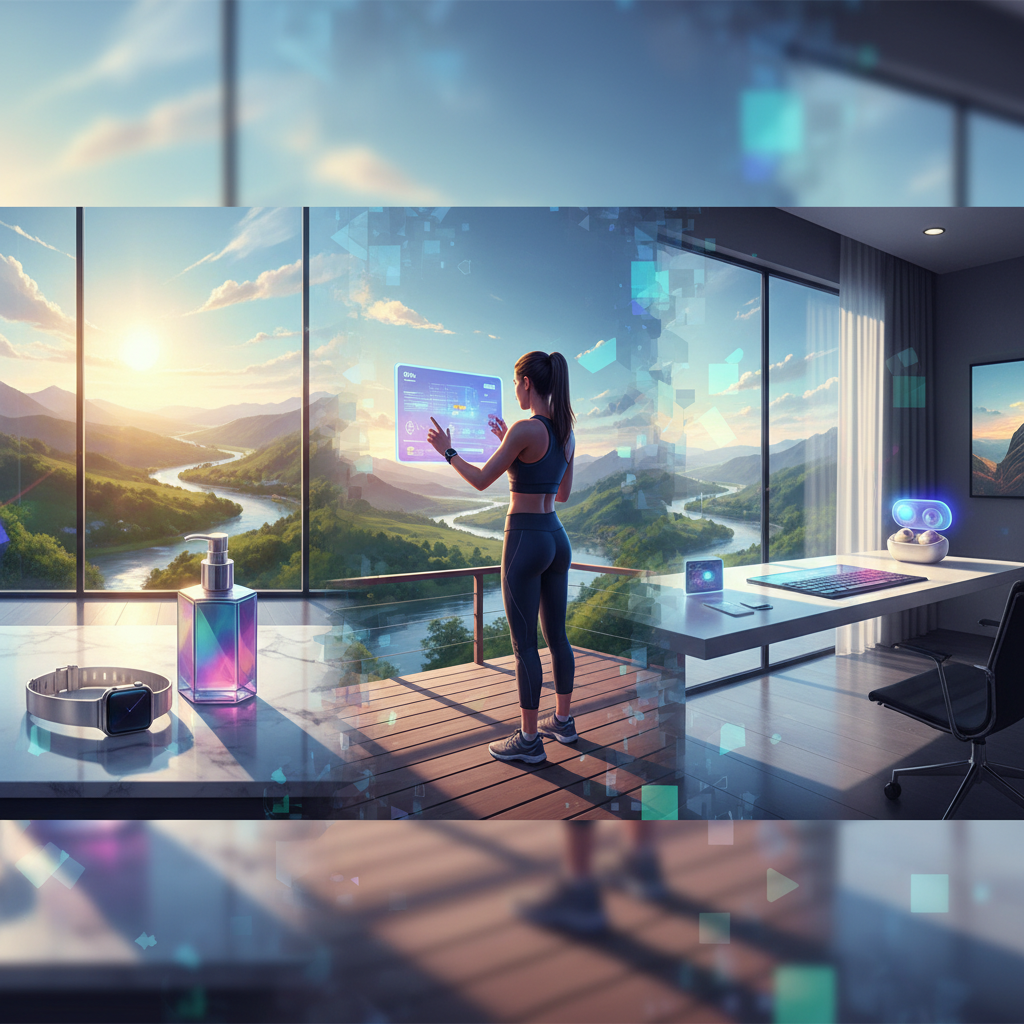
Midjourney truly excels at creating lifestyle photos with Midjourney, placing your products in aspirational, relevant, and emotionally resonant environments. Instead of expensive photoshoots involving models, elaborate sets, and logistical nightmares, you can simply describe the scene, the mood, the target demographic, and the interaction, and Midjourney will render it with astonishing detail and realism. This capability is invaluable for showing products in use, helping potential customers envision themselves owning or interacting with your item. Think about a sleek smartwatch on a climber’s wrist against a breathtaking mountain backdrop, a cozy blanket draped over a minimalist sofa in a sun-drenched living room, or a gourmet coffee maker brewing in a bustling, modern kitchen – all generated with a few well-crafted prompts. This AI lifestyle photo creation dramatically reduces the cost and complexity of producing diverse marketing assets, allowing brands to tell richer, more engaging stories about their products without the prohibitive expenses of traditional photography. The ability to quickly generate variations for different demographics or seasonal campaigns further enhances its utility, making your ecommerce visual content truly dynamic.
Generating Digital Product Mockups and Concept Art
Beyond realistic lifestyle shots, Midjourney is a powerhouse for creating digital product mockups and even cutting-edge product concept art AI. Imagine being able to visualize a new product design in various settings, materials, and colorways before it even leaves the drawing board, or creating stunning, photorealistic mockups for a digital product that doesn’t physically exist, like software interfaces or online courses. This allows for rapid prototyping of visual ideas, gathering early feedback, and refining designs without committing to expensive physical production. For designers and product developers, this means accelerating your product development and marketing cycles, presenting ideas quickly and professionally. Midjourney tips for realistic product mockups often involve specific prompt engineering techniques that we’ll explore, enabling you to create highly convincing representations. This capability is a game-changer for businesses that need to present ideas quickly and professionally, test market reactions to different aesthetics, or simply visualize the future of their product lines with unprecedented clarity and efficiency.
Streamlining Your Ecommerce Visual Content Workflow
Integrating Midjourney into your workflow means adopting a more agile, cost-effective, and creatively boundless approach to all your ecommerce visual content needs. From generating countless product variations for different listings to creating entire seasonal campaigns from scratch, AI product image generation tools empower marketing teams to produce a constant stream of fresh, engaging visuals. This efficiency allows you to allocate resources to other critical areas of your business, such as strategic planning, customer engagement, or product innovation, while still maintaining a premium visual standard across all your online stores. The sheer volume and variety of images you can produce with AI image tools for business is transformative. Consider the time saved on logistics, travel, and scheduling, all of which can now be channeled into refining your brand message and optimizing your overall marketing strategy. This streamlined Midjourney workflow for product concept art and final imagery ensures your brand remains visually captivating and competitive in a fast-paced digital marketplace.
Mastering Midjourney Prompt Engineering for Professional Results
The secret sauce to generating high-quality product images Midjourney is effective prompt engineering. It’s both an art and a science, requiring a blend of creativity, technical understanding, and iterative refinement. Think of your prompt as a detailed brief to a highly skilled, albeit digital, photographer and art director. The more specific, descriptive, and nuanced you are in your instructions, the better the outcome will be. Learning how to prompt Midjourney for professional product photography involves understanding the underlying structure of prompts, the impact of various keywords, and the subtle power of stylistic elements and parameters. This mastery allows you to move beyond generic outputs to truly bespoke, brand-aligned visuals.
Essential Elements of a Powerful Product Photography Prompt
A truly effective Midjourney product photography prompt template that actually works often includes several key components, each playing a crucial role in guiding the AI. Start with the subject (your product, described in detail), then describe the setting or environment where the product is placed. Specify the lighting conditions (e.g., “golden hour,” “soft studio light,” “dramatic chiaroscuro”), detail the desired camera angle and lens type (e.g., “low angle,” “macro shot,” “shot with a 70mm prime lens”), and finally, add stylistic modifiers to define the overall aesthetic (e.g., “highly detailed,” “photorealistic,” “minimalist,” “cinematic,” “professional studio quality”). For example, instead of just “/imagine a red shoe,” try “/imagine a sleek red running shoe, dynamic action shot, blurred track background, golden hour lighting, low angle, shot with a 70mm lens, highly detailed, professional studio quality, –ar 16:9.” Experimentation is key to discovering the best Midjourney settings and versions for product photography that align perfectly with your brand’s aesthetic and campaign goals. Don’t be afraid to mix and match these elements, observing how each change influences the final image.
Advanced Prompt Techniques for Realistic Product Mockups
To achieve Midjourney tips for realistic product mockups, you’ll need to dive deeper into advanced parameters and specific descriptive language. Incorporating terms like “photorealistic,” “ultra-detailed,” “octane render,” “unreal engine,” “8K resolution,” or “V-Ray rendering” can significantly boost the realism and fidelity of your outputs. Consider adding negative prompts (e.g., `–no blur, text, watermark, cartoon`) to actively avoid unwanted elements or styles. The goal is to guide the AI precisely, minimizing ambiguity and maximizing control over the final image. For instance, creating virtual photography for online stores often requires a consistent look and feel across multiple products. This can be achieved by developing a robust base prompt that establishes the scene, lighting, and style, and then only altering the specific product description for each new item. Utilizing the `–seed` parameter can also help maintain visual consistency across a series of images, ensuring that your product line looks cohesive. Mastering these techniques transforms Midjourney from a simple image generator into a powerful tool for sophisticated visual storytelling.
Midjourney vs DALL-E 3 for Ecommerce Product Photo Generation
When comparing Midjourney vs DALL-E 3 for ecommerce product photo generation, both generative AI models have distinct strengths and weaknesses. Midjourney often excels in artistic flair and aesthetic quality, consistently producing visually stunning and often more “magazine-ready” images with a rich, cinematic feel. Its strength lies in generating highly creative and aesthetically pleasing visuals, making it ideal for aspirational lifestyle shots and product concept art AI. DALL-E 3, particularly with its integration into platforms like ChatGPT, can be more adept at understanding complex, nuanced natural language requests and generating images with legible text overlays, which can be powerful for specific marketing needs like ad creatives or product packaging mockups. While DALL-E 3 offers greater prompt flexibility and text accuracy, for pure creative output and aesthetic appeal in product and AI lifestyle photo creation, many professionals find Midjourney to have a significant edge. However, the best AI tools for ecommerce product photography often depend on the specific project, the desired output, and the user’s workflow preferences. If you’re looking for a comprehensive guide to various AI tools, it’s worth exploring different options to see what fits your workflow best, as the landscape of AI product image generation is rapidly evolving.
| Feature | Midjourney | DALL-E 3 |
| :——————– | :————————————————————————- | :—————————————————————————– |
| Aesthetic Quality | Often superior, more artistic, polished, and cinematic | Good, but can sometimes be less stylized or overtly “AI-generated” |
| Prompt Understanding | Requires precise prompt engineering for best results; highly responsive to stylistic cues | Stronger understanding of complex, natural language prompts; good for nuanced requests |
| Text Generation | Limited or inconsistent; often produces gibberish | Better at generating legible and accurate text within images |
| Ease of Use | Discord-based, can have a learning curve; powerful for experienced users | More integrated and user-friendly interfaces (e.g., ChatGPT); easier for beginners |
| Lifestyle Photos | Excellent for aspirational and creative scenes; high visual impact | Good, but might require more detailed prompting to achieve Midjourney’s aesthetic |
| Product Mockups | Exceptional for photorealistic and conceptual mockups | Capable, but may require more explicit style guidance for high realism |
| Workflow Integration | Best for visual artists and designers; integrates well with creative suites | More suited for content creators needing quick, text-integrated visuals |
PART 6: Real-world Case Study: “Eco-Wear” Boosts Conversions with Virtual Photography

Situation: “Eco-Wear,” a burgeoning online apparel brand specializing in sustainable activewear, faced a common dilemma. They needed a constant stream of fresh, diverse, and aspirational product photography to fuel their social media campaigns, website listings, and email marketing. However, their budget was tight, and traditional photoshoots were proving to be prohibitively expensive, time-consuming, and logistically challenging, especially when trying to showcase their garments in various outdoor, eco-conscious settings. Their existing visuals were inconsistent, often lacking the dynamic, lifestyle appeal that truly resonated with their target demographic of environmentally aware, active individuals. This inconsistency led to lower engagement rates on social media and a stagnant conversion rate on their product pages, hindering their growth potential in a competitive market. They needed a scalable solution for generating high-quality product images Midjourney could provide, specifically focusing on AI lifestyle photo creation.
Action: Recognizing the potential of generative AI for marketing, Eco-Wear decided to integrate Midjourney into their visual content strategy. Their small marketing team dedicated time to understanding Midjourney prompt engineering, focusing on how to prompt Midjourney for professional product photography that aligned with their brand’s ethos. They developed a comprehensive library of Midjourney product photography prompt templates that actually work, incorporating elements like “sustainable activewear,” “diverse models,” “natural light,” “outdoor adventure settings (e.g., forest trail, mountain peak, serene beach),” “dynamic poses,” and “photorealistic, cinematic quality.” They meticulously experimented with the best Midjourney settings and versions for product photography, settling on parameters that consistently produced vibrant, natural-looking images.
Over two months, they generated over 500 unique AI lifestyle photo creation images, featuring their leggings, tops, and jackets in a multitude of aspirational scenarios: hiking through lush forests, meditating on sun-drenched beaches, practicing yoga in urban parks, and cycling along scenic routes. They also used Midjourney workflow for product concept art to visualize new product lines and colorways before committing to production, streamlining their design process. This virtual photography for online stores allowed them to create a rich, diverse visual narrative that was impossible with their previous budget and resources. Each image was carefully curated to evoke feelings of freedom, wellness, and connection to nature, directly speaking to their audience’s values.
Result: The impact was immediate and profound. Within four months of consistently deploying Midjourney-generated images across their website, Instagram, Facebook, and email campaigns, Eco-Wear experienced a remarkable transformation. Their Instagram engagement rate surged by 180%, with followers actively commenting on the aspirational quality of their new visuals. More importantly, their website conversion rate for products featuring AI-generated lifestyle photography increased by a staggering 45%. The cost per image was reduced by over 90% compared to traditional photoshoots, allowing them to redirect significant savings into targeted advertising and product development. This strategic shift not only provided Eco-Wear with a consistent supply of high-quality, engaging visuals but also solidified their brand identity as a leader in sustainable, lifestyle-driven activewear, proving the immense value of Midjourney product photography for growth-oriented businesses.
Common Mistakes That Are Costing You Results
Even with the power of Midjourney, many users fall into common pitfalls that prevent them from achieving optimal results. Avoiding these mistakes is crucial for maximizing your investment in AI product image generation.
Mistake #1: Being Too Vague in Your Prompts
Many users start with overly simplistic prompts, expecting magical results from the AI. This often leads to generic, uninspiring images that lack specificity and fail to stand out in a crowded market. A prompt like “/imagine a product on a table” will yield exactly that – a generic product on a generic table, devoid of any brand personality or visual appeal. This lack of detail is the primary reason for disappointing outputs when generating high-quality product images Midjourney.
What to do instead: Be incredibly specific and verbose. Think about every detail a human photographer and art director would consider: precise product description, desired lighting (e.g., “soft diffused light,” “dramatic backlighting,” “bright natural daylight”), camera angle (e.g., “eye-level shot,” “worm’s-eye view,” “overhead flat lay”), background context (e.g., “minimalist white studio,” “rustic wooden table,” “lush tropical foliage”), mood (e.g., “serene,” “energetic,” “luxurious”), texture (e.g., “smooth,” “rough,” “glossy”), and even the type of camera and lens (e.g., “shot with a Canon R5, 85mm prime lens”). The more descriptive you are, the more control you have over the output and the better you can guide the AI to produce truly exceptional Midjourney product photography.
Mistake #2: Neglecting Iteration and Refinement
It’s rare to get a perfect image on the first try, especially with complex prompts. Many users give up after a few attempts, mistakenly thinking Midjourney isn’t capable of producing what they envision. This impatience is a significant barrier to success, as the AI often requires multiple rounds of refinement to dial in the perfect visual.
What to do instead: Embrace iteration as a core part of your Midjourney workflow. Use the “Vary (Strong)” and “Vary (Subtle)” buttons to explore different interpretations of your prompt. Experiment with varying the order of keywords, adjusting parameters like `–stylize` or `–chaos`, and refining your prompts based on what you see in each generation. Think of it as a collaborative conversation with the AI; each image it generates provides valuable feedback for your next prompt. This iterative process is crucial for developing Midjourney product photography prompt templates that actually work and for achieving the precise aesthetic you’re aiming for. Don’t be afraid to make small, incremental changes and observe their impact.
Mistake #3: Ignoring Aspect Ratios and Upscaling
Producing images without considering their final destination (e.g., Instagram story vs. website banner vs. print ad) leads to awkward cropping, pixelation, and lower overall quality. Many users generate images at default aspect ratios and then struggle to fit them into their marketing channels, resulting in a less professional presentation.
What to do instead: Always specify your desired aspect ratio (`–ar 16:9` for wide, `–ar 9:16` for vertical, `–ar 1:1` for square, etc.) in your prompts from the outset. This ensures the AI composes the image within the correct dimensions, preventing awkward crops later. Furthermore, always upscale your chosen images to the highest available resolution using Midjourney’s upscaling features for optimal clarity, detail, and sharpness. This ensures your virtual product photography is always crisp, professional, and ready for any platform, whether it’s a high-resolution hero image on your website or a compelling visual for a social media campaign. Understanding these parameters is key if you’re looking to create images with specific dimensions and quality.
Frequently Asked Questions

What is Midjourney used for in product photography?
Midjourney is primarily used in product photography to generate high-quality, realistic, and conceptual images of products without the need for physical photoshoots. It can create diverse visuals, including polished studio-style shots, elaborate lifestyle scenes, detailed digital product mockups, and even imaginative product concept art AI. This significantly reduces costs, accelerates production time, and offers unparalleled creative flexibility for all types of ecommerce visual content.
How can Midjourney create compelling lifestyle images for products?
Midjourney creates compelling lifestyle images by allowing users to describe detailed scenes, environments, and moods around a product. By specifying elements like models, settings (e.g., “urban cafe,” “mountain hike,” “cozy home”), lighting conditions, activities, and emotional tones, businesses can generate aspirational photos that effectively show products in use. This helps potential customers visualize themselves with the item, fostering a stronger connection and driving purchase intent. This capability is a cornerstone of effective AI lifestyle photo creation.
What are effective prompt strategies for professional product photos in Midjourney?
Effective prompt strategies for professional product photos involve being highly descriptive and structured. This includes specifying the product in detail, the desired setting, precise lighting conditions, camera angle, lens type, and stylistic modifiers (e.g., “photorealistic,” “ultra-detailed,” “minimalist,” “cinematic”). Utilizing parameters like aspect ratios (`–ar`), stylize (`–s`), and negative prompts (`–no`) are also key to how to prompt Midjourney for professional product photography, ensuring precise control over the output.
How does Midjourney compare to other AI tools for ecommerce product image generation?
Midjourney generally stands out for its artistic quality and ability to produce visually stunning, magazine-ready images, often with a more aesthetic flair and cinematic feel than some competitors. While other AI image tools for business like DALL-E 3 might excel in understanding complex, natural language prompts or generating legible text within images, Midjourney often has an edge for pure creative output, visual appeal, and the generation of aspirational virtual photography for online stores. The choice often depends on the specific project’s needs and the desired balance between artistic quality and prompt flexibility.
What are the optimal Midjourney settings for generating realistic product visuals?
Optimal Midjourney settings for generating realistic product visuals often involve using the latest model versions (e.g., `–v 6.0` or newer, or the current default), incorporating strong “photorealistic” or “ultra-detailed” descriptors in your prompts, and experimenting with various camera and lighting terms (e.g., “shot with a Canon R5,” “studio lighting,” “natural sunlight”). Using a balanced stylize value (`–s`) can enhance artistic quality without sacrificing realism. For consistent results, consider using the `–seed` parameter. Always upscale your final selections to the highest available resolution for the sharpest and most professional output. These are crucial best Midjourney settings and versions for product photography.
Why I Disagree With the “AI Will Replace Photographers” Hype
Most people proclaim that generative AI for marketing, especially powerful tools like Midjourney, will completely replace human product photographers. I fundamentally disagree with this notion because while AI can generate incredible images with unprecedented speed and cost-efficiency, it inherently lacks the nuanced understanding of brand identity, the emotional intelligence to truly connect with a target audience on a deeper, human level, and the ability to truly direct a complex photoshoot with human models, intricate props, and dynamic real-world scenarios. AI is a powerful assistant, a phenomenal tool for rapid iteration, concept art, and high-volume content creation, but it is not a replacement for the creative vision, problem-solving skills, and artistic intuition of a skilled human photographer or art director.
Instead, I see Midjourney as an enhancement, not an extinction event. It frees photographers from repetitive tasks, allowing them to focus on higher-level creative direction, complex storytelling, and unique artistic expressions that AI cannot yet replicate. For businesses, Midjourney product photography is a superpower in the hands of a creative marketer or designer, enabling them to achieve visual consistency, explore diverse aesthetics, and respond to market trends with unparalleled agility. It democratizes access to high-quality visuals, leveling the playing field for smaller brands. My advice is simple: Pick one prompt template from this post, tweak it for your product, and generate your first batch of images this week. That’s it. You’ll quickly see the transformative difference it makes in your visual content strategy, not as a replacement for human creativity, but as a powerful extension of it.