

AI Product Video Captions: The Game-Changer You Need
I remember the days when launching a product video meant a frantic scramble to get captions done. Outsourcing was slow, doing it in-house was tedious, and the thought of translating for multiple markets? Forget about it. We were leaving so much potential on the table, and honestly, it was a constant source of frustration. The manual effort involved in adding text overlays and captions to product videos was a significant bottleneck, preventing us from truly connecting with a global audience.
In this post, you’ll discover how AI product video captions can transform your marketing, learn why automatic video transcription is no longer a luxury but a necessity, and get actionable strategies to create multilingual video content at scale — backed by real-world examples. We’ll explore how AI for translating and dubbing product videos in multiple languages is revolutionizing the way businesses approach global markets, making your content more accessible and impactful than ever before.
Why Your Product Videos Need AI Captions Now

The digital landscape is changing at warp speed, and video reigns supreme. Consumers today expect instant gratification and content that speaks directly to them, in their language, on their terms. If your product videos aren’t accessible and localized, you’re not just missing out; you’re actively falling behind. Consider the sheer volume of video content consumed daily, with platforms like TikTok and Instagram Reels prioritizing short-form, highly engaging visuals. Studies show that over 85% of videos on social media are watched with the sound off, making captions not just an accessibility feature but a fundamental requirement for engagement.
Think about it: the rise of short-form video, the global marketplace shrinking daily, and the sheer volume of content being produced. Manually captioning and translating simply isn’t sustainable anymore. The traditional workflow of sending videos to transcriptionists, then translators, then voice actors, and finally editors for lip-syncing is prohibitively expensive and time-consuming, especially for businesses needing to create multilingual product video content at scale. AI isn’t just a buzzword here; it’s the operational backbone for modern e-commerce and product marketing. It allows you to deliver a consistent message across platforms, reaching a wider audience with ease, and significantly enhancing product reach with AI video translation.
This isn’t about replacing human creativity, but augmenting it. By embracing AI, you free up your team to focus on strategy, storytelling, and building deeper connections, while the tech handles the heavy lifting of video content accessibility. The benefits of AI captions for product demonstrations are clear: improved engagement, wider reach, and a more inclusive experience for all potential customers. This strategic shift allows companies to automate product video captioning with AI, turning a once daunting task into a streamlined, efficient process.
Overview: AI for Automatic Video Captions and Subtitles for Product Content
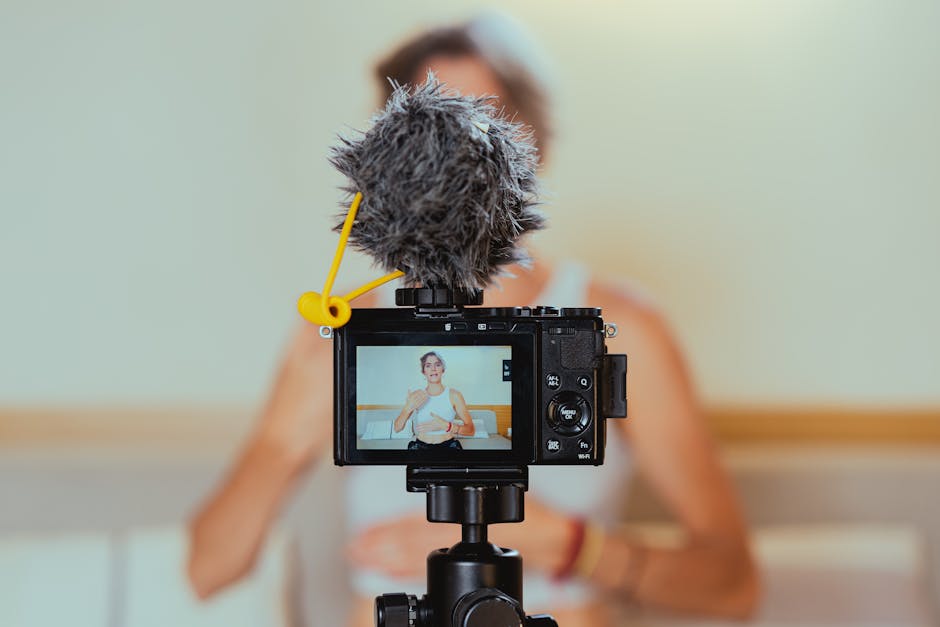
AI for automatic video captions and subtitles for product content refers to the sophisticated use of artificial intelligence technologies to automatically generate text overlays and captions for product demonstration videos, promotional content, and other video assets. This process leverages advanced speech-to-text algorithms, often powered by deep learning and neural networks, to transcribe spoken dialogue with remarkable accuracy. Beyond simple transcription, these AI solutions can then translate the text into multiple languages, synchronize it perfectly with the video, and even generate localized voiceovers. The overarching goal is to dramatically enhance video content accessibility and expand reach to global markets, ensuring that your product message resonates universally.
These AI-powered solutions go beyond simple transcription; they are designed to understand context and nuances, making the generated captions highly accurate and relevant. For e-commerce businesses, this means their product videos can instantly become more engaging and understandable to a diverse audience, regardless of their native language or viewing preferences. It’s a fundamental shift in how we approach video content creation and distribution, moving from a manual, labor-intensive model to an automated, scalable one. The core benefit lies in efficiency and scalability. What once took hours, or even days, of manual labor can now be achieved in minutes, allowing marketing teams to focus on creating more compelling narratives rather than getting bogged down in repetitive, technical tasks. This is how AI adds text overlays and captions to product videos fast, fundamentally changing the pace of content delivery.
The Power of Automatic Video Transcription
Automatic video transcription is the foundational layer of AI product video captions. It converts spoken words in your product videos into written text with remarkable accuracy, often leveraging advanced speech to text for video technology. This technology has evolved significantly, moving past simple word-for-word transcriptions to understanding context, identifying different speakers, and even filtering out background noise. Modern AI models can achieve near human-level accuracy, making the output incredibly reliable for subsequent steps. This process is crucial for automating product video captioning with AI, as it provides the raw material for all further localization efforts.
This isn’t just about providing text for the hearing impaired, though that’s a crucial aspect of video content accessibility. It’s also about improving SEO for video content, as search engines can now “read” your video’s content through its transcript, making it more discoverable. Think of it as giving your video a written blueprint that search engines can easily index, significantly boosting its organic reach. Beyond accessibility and SEO, accurate transcriptions are the first step toward creating high-quality subtitles and translations. Without a solid, precise transcription, any subsequent AI subtitle generation or video translation AI efforts will be flawed, leading to inaccuracies that can undermine your message. This foundational step ensures the integrity of your entire multilingual video content creation process.
AI Subtitle Generation: Beyond Basic Text
Once you have an accurate transcription, AI subtitle generation takes over, transforming that raw text into perfectly timed subtitles that sync seamlessly with your video. Modern AI tools can even detect different speakers and format the subtitles accordingly, using distinct colors or positions, which significantly improves readability and comprehension, especially in product demonstrations with multiple presenters. This is where the magic truly happens for product demonstrations, as viewers can easily follow along even without audio. These AI solutions for e-commerce video subtitles are designed not just for accuracy but also for enhancing the viewing experience.
These AI tools can also apply styling, like highlighting key phrases, bolding important product features, or adding dynamic text overlays that animate on screen, making your captions more visually engaging. This ensures that viewers, even with sound off, grasp the essential selling points of your product. It transforms a passive viewing experience into an active learning one, directly impacting how effectively your product message is conveyed. The ability to quickly generate professional-looking subtitles means you can deploy product videos across various platforms that often default to silent playback, such as social media feeds. This significantly boosts engagement and comprehension, making your product videos effective in diverse viewing environments. This capability is a cornerstone of modern captioning software for e-commerce, ensuring broad reach and impact.
Multilingual Video Content Creation at Scale
This is where AI truly shines for global e-commerce brands. AI for translating and dubbing product videos in multiple languages allows businesses to reach global markets without the prohibitive costs and time of traditional translation services. Imagine translating a single product video into dozens of languages, complete with localized voiceovers and impressive lip-syncing, in a fraction of the time it would take manually. This capability is a game-changer for companies looking to expand their international footprint, enabling them to create multilingual product video content at scale efficiently and effectively.
This capability is invaluable for product video localization. It means your message resonates culturally and linguistically with diverse audiences, leading to higher engagement and conversion rates. AI powered video editing tools integrate these translation and dubbing features seamlessly, making the entire workflow incredibly efficient. These tools can analyze the nuances of the original speech, translate it, and then generate a new voiceover that matches the speaker’s tone, emotion, and even lip movements, creating a truly native experience. For businesses looking to expand their international footprint, creating multilingual product video content at scale using AI is no longer a luxury; it’s a strategic imperative. It’s about breaking down language barriers and making your products truly global, leveraging the full potential of video translation AI.
| Feature | Manual Captioning/Translation | AI Product Video Captions |
|---|---|---|
| Speed | Slow, often weeks for multiple languages | Minutes to hours, even for many languages |
| Cost | High (translators, voice actors, editors) | Significantly lower, often subscription-based |
| Scalability | Limited, difficult to scale quickly | Highly scalable, handles large volumes effortlessly |
| Consistency | Varies by human translator/editor | High consistency in tone and terminology (with proper training) |
| Accuracy | High (human expertise) | Very high and constantly improving, often near human-level |
| Lip-Sync | Requires skilled voice actors/editors | Advanced AI tools offer impressive lip-sync capabilities |
Enhancing Product Reach with AI Video Translation
The benefits of AI captions for product demonstrations extend far beyond just transcription. By leveraging AI video translation, you can directly enhance product reach by breaking down linguistic barriers. When a customer can watch a product video in their native language, they are far more likely to engage with the content, understand its value proposition, and ultimately convert. This isn’t just about literal translation; it’s about comprehensive product video localization. AI tools are becoming increasingly sophisticated at helping adapt cultural nuances, idiomatic expressions, and even visual elements, ensuring your message is not only understood but also felt and appreciated within the cultural context of the target audience. This deep level of connection fosters trust and significantly drives purchasing decisions in new markets.
Many of the best AI tools for automatic subtitle generation in marketing now include robust translation and even dubbing capabilities. These platforms allow you to upload your original video, automatically transcribe it, translate the script into multiple languages, and then generate new voiceovers that sound natural and are perfectly synchronized with the speaker’s lip movements. This means you can streamline product video localization with AI, turning a complex, multi-step process into a few clicks. For instance, a product demonstration for a kitchen gadget can be instantly localized for Japanese, German, and Spanish markets, with each version featuring a native-sounding voice and culturally appropriate phrasing. This strategic use of AI for product marketing ensures your brand speaks directly to every potential customer, wherever they are in the world.
Best AI Dubbing Tools for Product Videos
Choosing the right tools is critical for automating product video captioning with AI and achieving high-quality results. The market for AI subtitle generation and video translation AI is rapidly evolving, but several platforms stand out for their capabilities. Tools like Rask AI, Perso AI, Vozo, and even features within larger platforms like Adobe Firefly and Canva are making significant strides in offering sophisticated solutions. When evaluating the best AI dubbing tools for product videos reaching global markets, consider key factors such as: accuracy of transcription and translation, the number of languages supported, the quality of voice cloning and lip-sync capabilities, and ease of integration into your existing video production workflow.
Many of these platforms offer advanced features like voice cloning, allowing your original speaker’s voice to be translated and dubbed into other languages while maintaining their unique vocal characteristics and emotional tone. This is a huge win for authenticity and brand consistency, as it ensures that the familiar voice of your product expert or brand ambassador resonates across all language versions. If you’re looking to create images or other visual assets alongside your videos, some comprehensive platforms might even offer integrated solutions, further streamlining your content creation process. These tools are not just about adding text overlays; they’re about complete video localization, including matching the translated audio for a pixel-perfect viewing experience. This level of sophistication ensures your international audience receives a high-quality, native-like experience, making your product demonstrations truly global and impactful.
How a Small Business Doubled International Engagement with AI Captions
Situation: “Bean & Brew,” a small, artisanal coffee roaster based in Portland, Oregon, had incredible product demonstration videos for their unique pour-over brewing equipment. Their videos, beautifully shot and expertly narrated, showcased the craftsmanship and innovation behind their products. However, despite seeing significant website traffic from countries like France, Germany, Japan, and Spain, their conversion rates outside English-speaking markets were abysmal. Their videos only had English captions, and the manual translation and dubbing process was simply too expensive and time-consuming for their small team and limited budget. They felt stuck, unable to capitalize on the burgeoning global demand for specialty coffee equipment. They knew they needed to create multilingual video content at scale but lacked the resources.
Action: Recognizing the immense potential of AI, Bean & Brew decided to invest in an AI-powered video translation and dubbing tool that specialized in AI product video captions. They uploaded their top five product videos, which included detailed demonstrations of their flagship brewer and grinder. For target languages, they strategically selected French, German, Spanish, and Japanese based on their international traffic data. They utilized the platform’s automatic video transcription feature to get accurate English text, followed by its advanced AI subtitle generation capabilities to create perfectly timed captions in all chosen languages. Crucially, they also opted for AI dubbing with voice cloning, which allowed the original presenter’s friendly and expert tone to be replicated in the translated voiceovers, maintaining brand authenticity. The entire process, from uploading the original videos to downloading fully localized, ready-to-publish versions, took less than a day per video. They then seamlessly embedded these multilingual videos on their respective international product pages and shared them across localized social media channels. This was a direct application of how AI adds text overlays and captions to product videos fast.
Result: Within three months of implementing their AI-powered localization strategy, Bean & Brew witnessed a staggering 110% increase in engagement (measured by views, average watch time, and click-through rates) on their product videos in the targeted non-English markets. More importantly, their international conversion rates for those specific products jumped by an average of 75%. The investment in AI product video captions paid for itself within the first quarter, demonstrating that enhancing product reach with AI video translation was the key to unlocking their global potential. The positive customer feedback, noting how much they appreciated the videos in their native language, further solidified the success of streamlining product video localization with AI. This case study clearly illustrates the tangible benefits of AI for product marketing, turning a global aspiration into a profitable reality.
Mistakes That Are Costing You Results
1. Ignoring Cultural Nuances in Translation
Many businesses assume a direct, literal translation is sufficient for multilingual video content creation. However, language is deeply intertwined with culture, and a word-for-word translation might be technically correct but completely miss the mark culturally, leading to misunderstandings, unintended humor, or even offense. This can severely undermine your product video localization efforts and damage brand perception. For example, a phrase that sounds energetic and encouraging in English might come across as overly aggressive or informal in Japanese, or a color choice in your visuals might have negative connotations in another culture. Neglecting these nuances means you’re not truly connecting with your audience.
Instead: Use AI tools that offer context-aware translation or, even better, allow for human review and adjustment of AI-generated translations. Provide cultural guidelines, glossaries of brand-specific terminology, and style guides to the AI system to ensure the tone, phrasing, and overall message resonate authentically with the target audience. Focus intensely on localization, which adapts content to specific cultural contexts, rather than just translation. This might involve changing not just words, but also imagery, examples, or even the pacing of your video to align with local preferences. The goal is to make your audience feel like the content was created specifically for them, not just translated. This is crucial for AI for translating and dubbing product videos in multiple languages effectively.
2. Overlooking Video Content Accessibility
Thinking captions are only for those with hearing impairments is a huge mistake that limits your audience reach. While crucial for accessibility, a vast number of people watch videos on mute, especially on social media feeds (as high as 85% on platforms like Facebook) or in public spaces where sound is inappropriate. Without captions, your message is lost to this significant portion of your potential audience. Neglecting this aspect means you’re missing a substantial segment of potential customers and failing to provide an inclusive, user-friendly experience. Moreover, many individuals simply prefer to read captions to better understand complex information or to reinforce what they’re hearing.
Instead: Make automatic video transcription and AI subtitle generation a mandatory step for all your product videos, right from the initial production phase. Ensure captions are clear, easy to read (consider font size, contrast, and placement), and accurately reflect the spoken content. Implement captioning software for e-commerce that offers customizable styling options to match your brand. This dramatically increases engagement and comprehension across the board, making your content accessible to a wider demographic and improving the overall user experience. Prioritizing video content accessibility isn’t just good practice; it’s a strategic move that expands your reach and ensures your product message is heard, even when the sound is off.
3. Not Optimizing Captions for SEO
Many marketers focus solely on the video file itself for SEO, optimizing titles, descriptions, and tags, but completely forgetting the immense power of captions and transcripts. Search engines can’t “watch” your video to understand its content, but they can definitely “read” your captions and transcripts. Missing this opportunity means your videos are less discoverable in search results, both within video platforms and general web searches. Your rich, keyword-laden spoken content remains hidden from search engine crawlers if not provided in a textual format. This oversight can significantly limit the organic reach of your valuable product demonstrations.
Instead: Treat your AI-generated captions and transcripts as valuable text content. Ensure they include relevant keywords (like “AI solutions for e-commerce video subtitles,” “automate product video captioning with AI,” “benefits of AI captions for product demonstrations,” or specific product features) that users might search for. When uploading your video, make sure to include the full transcript or an SRT file generated by your AI tool. Some platforms even allow you to export these transcripts, which can then be repurposed for blog posts, detailed product descriptions, or FAQ sections on your website, further boosting your overall SEO strategy and creating valuable evergreen content. This approach leverages your video content to its fullest potential, driving more organic traffic and enhancing your product’s visibility.
Frequently Asked Questions

1. What is AI for automatic video captions and subtitles for product content?
AI for automatic video captions and subtitles for product content involves using artificial intelligence technologies, primarily speech-to-text algorithms, to automatically transcribe spoken audio in product videos into written text. This text is then formatted into synchronized captions or subtitles that appear on screen. Beyond basic transcription, these AI solutions often include advanced features like translation into multiple languages, AI subtitle generation with speaker identification, and even dubbing capabilities with voice cloning and lip-syncing. The ultimate goal is to make product videos more accessible to a wider audience, enhance video content accessibility for viewers with hearing impairments or those watching on mute, and expand reach into global markets by providing content in native languages. This streamlines the process of how AI adds text overlays and captions to product videos fast.
2. How does AI improve the efficiency of adding captions to product videos?
AI dramatically improves efficiency by automating nearly the entire process of automatic video transcription and subtitle generation, reducing what once took hours or days of manual labor to mere minutes. Traditional methods involve human transcriptionists, translators, and video editors, which are time-consuming and costly. AI eliminates much of this manual effort, accelerating turnaround times for captioned and translated content. This allows marketing teams to rapidly deploy product videos across multiple platforms and in numerous languages, fostering greater agility in content strategy. By leveraging AI solutions for e-commerce video subtitles, businesses can scale their video localization efforts effortlessly, freeing up human resources to focus on creative strategy rather than repetitive tasks, thus helping to automate product video captioning with AI.
3. What are the advantages of using AI for translating and dubbing product videos?
The main advantages of using AI for translating and dubbing product videos are significantly reduced costs and time compared to traditional, human-intensive methods. This enables businesses to create multilingual video content at scale, reaching diverse global markets without prohibitive expenses. AI video translation and dubbing tools enhance product reach by making content culturally and linguistically relevant, leading to improved customer engagement and higher conversion rates in international markets. Furthermore, advanced AI tools can maintain a consistent brand voice across different languages through voice cloning and offer impressive lip-sync capabilities, creating a highly professional and native-like viewing experience. This is a key aspect of AI for product marketing, ensuring global impact.
4. How can businesses create multilingual product video content at scale using AI?
Businesses can create multilingual product video content at scale by leveraging AI-powered platforms that offer integrated transcription, translation, and dubbing features. The process typically involves uploading an original video to the AI platform, which then automatically transcribes the audio. Users can then select target languages for translation and choose between generating subtitles or full voiceovers (dubbing). Many tools offer options for voice customization, emotional tone adjustment, and lip-syncing to ensure high-quality output. These platforms allow for uploading a single video and generating numerous localized versions in various languages quickly, effectively streamlining product video localization with AI and expanding market reach efficiently and cost-effectively. This capability is essential for AI for creating multilingual product video content at scale.
5. What are the best AI tools available for dubbing product videos for global markets?
Several excellent AI tools are available for dubbing product videos, offering advanced capabilities for reaching global markets effectively. Prominent examples include Rask AI, known for its robust translation and voice cloning features; Perso AI, which focuses on personalized video content; and Vozo, which provides high-quality voice synthesis. Additionally, larger creative platforms like Adobe Firefly and Canva are integrating AI video translation and dubbing functionalities. When choosing the best AI dubbing tools for product videos reaching global markets, consider factors such as the accuracy of transcription and translation, the number of supported languages, the quality of voice cloning and lip-syncing, and ease of integration into existing workflows. These tools are at the forefront of video translation AI, enabling businesses to produce professional, localized video content.
Why I Disagree With the “Wait for Perfection” Approach
Most people say you should wait until an AI tool is absolutely perfect, with 100% human-level accuracy in translation and dubbing, before fully committing. I think that’s wrong because the pace of AI development is so fast, and the benefits of early adoption are too significant to ignore. Waiting for perfection means you’re missing out on immediate gains in reach, accessibility, and efficiency right now. Even 90% accuracy with AI is often better than 0% global reach with manual processes. The real competitive advantage comes from iterating and improving with the technology as it evolves, not from standing on the sidelines. The current capabilities of AI product video captions are already transformative, offering unparalleled speed and scalability for AI for product marketing.
The market is moving too fast to wait. Every day you delay implementing AI subtitle generation or AI for translating and dubbing product videos in multiple languages, you’re leaving potential customers and revenue on the table. Start small, experiment, and learn. Pick one thing from this list and try it this week. Whether it’s running a single product video through an automatic video transcription tool, experimenting with AI subtitle generation, or even trying out one of the best AI dubbing tools for product videos reaching global markets, just start. That’s it. You’ll see the difference in your video content accessibility and overall market reach. The future of product marketing is here, and it’s powered by AI.