
AI Jewelry Photography: The Game-Changer You Can’t Ignore
I remember spending countless hours in a makeshift studio, battling reflections, dust specks, and the sheer impossibility of getting consistent lighting on tiny, intricate pieces of jewelry. The retouching alone felt like a full-time job, often stretching into late nights. It was a grind, and honestly, it often felt like the visual quality of our product images was holding us back from truly captivating our audience and conveying the luxury our pieces deserved. The traditional approach was not only resource-intensive but also limited our ability to scale and innovate.
In this post, you’ll discover how AI jewelry photography is revolutionizing jewelry product photography, offering solutions that were once unimaginable. We’ll delve into why these advancements are not just beneficial but crucial for modern e-commerce success, helping brands stand out in a crowded digital marketplace. Furthermore, you’ll gain actionable insights and practical strategies to transform your own visual strategy, backed by a real-world case study and specific examples of how AI is being deployed today. Prepare to unlock the potential of AI to create stunning, consistent, and cost-effective visuals that truly sparkle.
Why Your Jewelry Visuals Need an AI Upgrade Now
The e-commerce landscape for jewelry has never been more competitive, with new brands emerging daily and consumer expectations soaring. In this visually driven market, customers make split-second decisions based almost entirely on the product photography presented. Your jewelry product images aren’t just a nice-to-have; they are the bedrock of your brand’s perceived value, trustworthiness, and ultimately, your sales performance. We’re well past the point where a decent smartphone snap cuts it. Today’s discerning online shoppers expect polished, captivating imagery that truly showcases the intricate detail, sparkle, and shine of each piece, whether it’s a delicate pendant or an elaborate engagement ring. This isn’t merely about aesthetics; it’s profoundly about building trust and driving conversion. Studies consistently show that high-quality product images can increase conversion rates by over 20%, directly impacting your bottom line.
The reality is, traditional jewelry photography is notoriously expensive and time-consuming. From hiring specialized photographers with expertise in capturing reflective surfaces, to securing professional models, renting studio space, and dedicating weeks to meticulous post-production retouching, the costs and logistical complexities add up fast. For many brands, especially smaller ones or those with frequently updated collections, keeping up with the demand for fresh, high-quality content is a monumental challenge. The sheer volume of images needed for product listings, social media, and marketing campaigns can quickly deplete budgets and resources. This is precisely where AI steps in, offering a scalable, cost-effective AI jewelry photography technique that levels the playing field. It allows even boutique brands to produce stunning, professional-grade AI product visuals with unprecedented speed and efficiency, making AI in e-commerce photography an indispensable tool for growth.
The AI Revolution in Jewelry and Accessories Product Photography
AI jewelry photography is rapidly transforming how brands capture, create, and optimize their product visuals, moving beyond simple automation to intelligent creation. It’s no longer a futuristic concept relegated to tech giants; it’s an accessible technology that streamlines the entire process, from initial image generation to final enhancement and deployment across various marketing channels. By leveraging AI, businesses can achieve unparalleled consistency, intricate detail, and visual appeal in their jewelry product image AI, ultimately driving higher engagement, building stronger brand perception, and boosting sales. This revolution is fundamentally changing the economics and logistics of visual content creation for the jewelry industry.
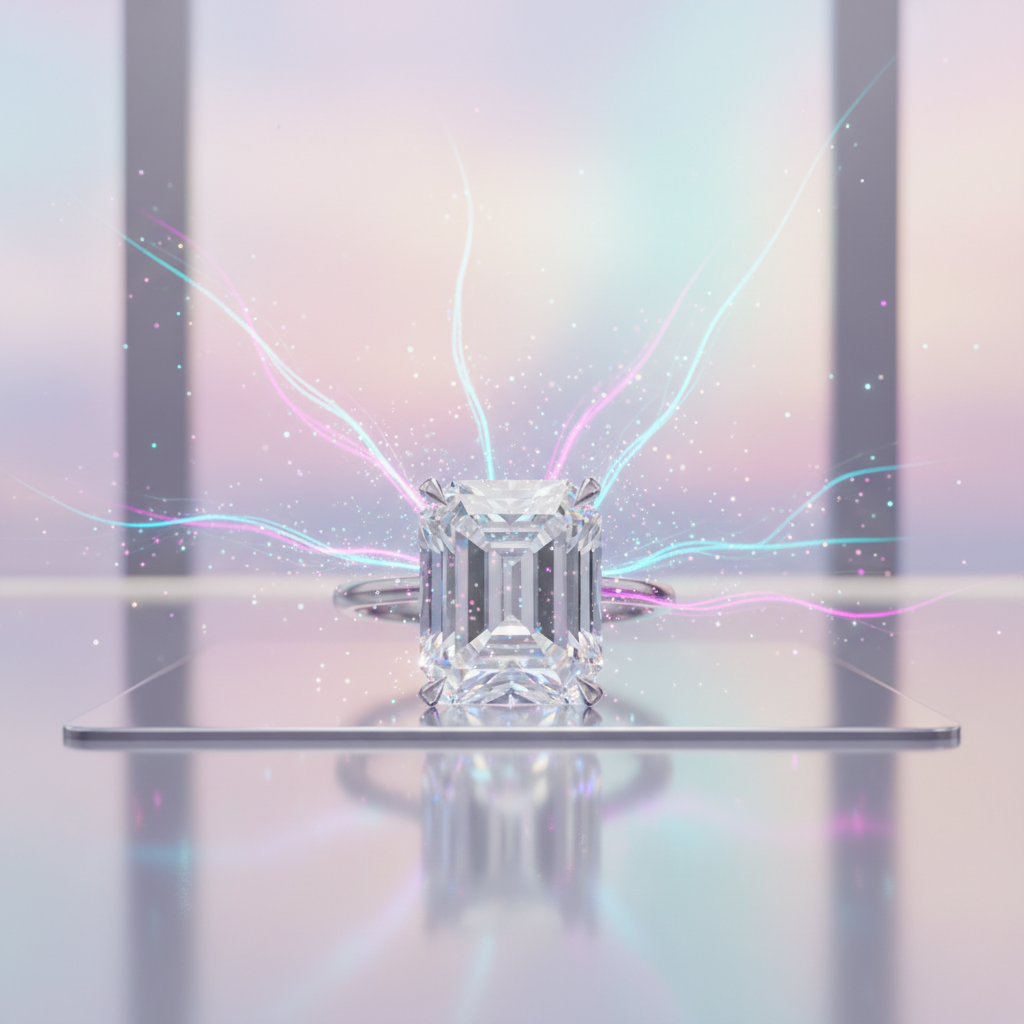
AI image generation jewelry, for instance, allows brands to create entirely new product visuals without ever needing a physical photoshoot. This is a massive leap forward for prototyping new designs, showcasing upcoming collections, or even visualizing custom pieces for clients quickly and efficiently. Furthermore, AI photo enhancement jewelry tools can automatically correct a myriad of imperfections – from subtle dust specks and unwanted reflections to optimizing lighting and color balance. These tools can even add sophisticated AI for creating sparkle and shine effects on jewelry product photos, making each piece look its absolute best, radiating luxury and allure, which is critical for converting browsers into buyers. This comprehensive approach to jewelry photography automation empowers brands to maintain a competitive edge.
Generating Stunning Jewelry Visuals with AI
One of the most exciting and transformative applications of AI in the jewelry sector is its ability to generate high-quality, photorealistic images from scratch. Imagine launching an entire new collection without the logistical nightmare of coordinating models, photographers, and studio time. With AI image generation jewelry, you can simply input product specifications, design parameters, and desired aesthetics, and receive stunning, photorealistic images, complete with intricate details, realistic textures, and perfect lighting. This capability is particularly useful for virtual try-on jewelry experiences, where customers can see how a piece looks on them before making a purchase, significantly reducing uncertainty and increasing confidence.
These AI tools are becoming incredibly sophisticated, capable of producing detailed product macro photography that highlights every facet of a gemstone, the delicate filigree of a setting, or the unique texture of a metal. This level of detail is absolutely critical for luxury jewelry brands, where craftsmanship, material quality, and intricate design are key selling points. AI can render these minute details with precision, ensuring that the digital representation truly reflects the physical beauty and value of the piece. Beyond mere replication, AI can also generate images in diverse settings and contexts, allowing brands to showcase their jewelry in lifestyle shots, on different skin tones, or against various backgrounds, all without the need for expensive and time-consuming physical setups. This flexibility makes AI product visuals an invaluable asset for dynamic marketing campaigns and rapid content creation.
Enhancing Existing Photos with AI
Even if you already possess an extensive library of product photos, jewelry photo editing AI can breathe new life into them, transforming good images into exceptional ones. These intelligent tools can perform complex retouching tasks in mere seconds that would typically take a human editor hours, if not days, to complete. From automatically removing dust and scratches that inevitably appear on highly polished surfaces, to correcting subtle color imbalances, sharpening details, and refining reflections, AI photo enhancement jewelry ensures every image meets a professional, high-end standard. This capability is not just about fixing flaws; it’s about elevating the overall visual appeal.
For e-commerce platforms, optimizing jewelry images with AI means more than just aesthetics; it translates directly into faster loading times and better visual fidelity across all devices, from desktop monitors to mobile phones. This is crucial for maintaining customer interest and reducing bounce rates, as slow-loading or pixelated images can quickly deter potential buyers. Furthermore, AI can be specifically trained for AI for creating sparkle and shine effects on jewelry product photos, enhancing the natural brilliance of diamonds and gemstones, making pieces appear more radiant, luxurious, and appealing. This subtle yet powerful enhancement can significantly elevate the perceived value of your jewelry, making it stand out in a crowded digital marketplace and enticing customers to explore further. The consistent application of these enhancements across an entire catalog ensures a cohesive and professional brand image.
Streamlining Workflow and Consistency
One of the biggest headaches and time sinks in traditional product photography is maintaining absolute consistency across a large and evolving product catalog. Variations in lighting, angle, background, and color temperature between shoots can create a disjointed and unprofessional look on an e-commerce site. AI for consistent jewelry product images solves this pervasive problem by automatically applying uniform styles, standardized lighting, and consistent backgrounds across all visuals. This not only saves an enormous amount of manual adjustment time but also ensures a cohesive and polished brand aesthetic that reinforces professionalism and trust. Streamlining jewelry photography workflow with AI means fewer manual adjustments, less back-and-forth with retouchers, and more time for your team to focus on strategic marketing and sales initiatives.
An AI-powered jewelry photo studio setup can automate virtually everything from precise background removal to realistic shadow creation, drastically cutting down on post-production time and costs. Imagine uploading hundreds of product photos and having them all processed with identical backgrounds, perfect lighting, and consistent product placement, ready for your website in minutes. This level of automation extends seamlessly to creating compelling AI product visuals for marketing campaigns, allowing for rapid content creation for social media, email newsletters, and online advertisements. The ability to generate variations of images for A/B testing or seasonal promotions quickly and affordably provides an unprecedented competitive advantage, ensuring your brand always has fresh, high-quality visuals to engage your audience.
| Feature | Traditional Jewelry Photography | AI Jewelry Photography |
| :————————— | :———————————————————— | :——————————————————– |
| Time to Produce | Days to Weeks (including shoot, retouching, approvals) | Minutes to Hours (for generation or enhancement) |
| Cost per Image | High (studio, photographer, models, equipment, extensive retouching) | Low (software subscription, processing power) |
| Consistency | Challenging to maintain across different shoots and pieces | Automated and highly consistent (lighting, background, style) |
| Flexibility | Limited post-shoot changes; requires reshoots for new concepts | Easy to modify, iterate, and generate variations on demand |
| Scalability | Difficult and expensive for large or frequently updated catalogs | Highly scalable for large inventories and rapid content needs |
| Detail & Sparkle | Requires specialized equipment and skilled retouching | AI-enhanced detail and automated sparkle/shine effects |
| Virtual Try-On Integration | Requires complex 3D modeling or separate AR development | Often integrated or easily generated with AI tools |
Virtual Try-On and AI Models
The future of online jewelry shopping is undoubtedly interactive and highly personalized. Virtual try-on jewelry experiences are becoming increasingly sophisticated, allowing customers to visualize how a ring looks on their hand, a necklace drapes around their neck, or earrings frame their face, all from the comfort of their home. This immersive technology, often powered by augmented reality (AR) and advanced digital jewelry imaging, significantly reduces buyer uncertainty, minimizes returns, and dramatically boosts buyer confidence. Instead of guessing how a piece will look, customers can virtually “wear” it, creating a more engaging and reassuring shopping journey.
Complementing this, AI virtual model wearing jewelry necklaces rings earrings are rapidly emerging as a game-changer. These AI-generated models provide diverse, customizable, and cost-effective alternatives to hiring human models for photoshoots. Brands can select models of various ethnicities, body types, and poses, ensuring their marketing visuals resonate with a broader audience. This eliminates the significant costs, logistical complexities, and scheduling challenges associated with traditional model shoots. These AI models can be seamlessly integrated into product visuals, showcasing jewelry in a lifestyle context without ever needing a physical model or studio. Such advancements are a powerful tool for AI for jewelry marketing, offering personalized and engaging shopping experiences that were previously impossible or prohibitively expensive. For brands seeking the best AI tools for creating luxury jewelry product photography, platforms offering virtual try-on and AI models are becoming essential components of their visual strategy. You can explore various advanced [AI tools](https://noobgpt.com/) that specialize in image generation and enhancement, many of which now offer these cutting-edge features.
Cost-Effective Solutions for E-commerce
For many e-commerce businesses, especially those operating on tight margins, the bottom line is paramount. Cost-effective AI jewelry photography techniques are democratizing access to high-quality visuals, making them accessible to brands of all sizes. Instead of making substantial upfront investments in expensive photographic equipment, studio rentals, and specialized personnel, brands can subscribe to AI solutions for jewelry e-commerce photography that deliver professional-grade results at a mere fraction of the traditional cost. This financial accessibility allows smaller brands and startups to compete visually with larger, more established players, creating a more equitable and dynamic market.
The ability to create and enhance images on demand, without the need for physical samples or complex logistical arrangements, significantly reduces operational overhead. Imagine the savings from eliminating travel expenses, model fees, and the countless hours spent on manual retouching. For example, a single traditional photoshoot for a new collection could cost thousands of dollars, whereas an AI subscription might be a few hundred dollars a month, allowing for unlimited image generation and enhancement. This shift enables brands to allocate more budget to other critical areas, such as targeted AI for jewelry marketing campaigns, product development, or customer service. If you’re looking to create images that truly stand out, exploring a dedicated [AI image generator](https://noobgpt.com/) specifically tailored for product visuals can be an incredibly beneficial and financially savvy investment.
How “Glimmer & Gem” Tripled Engagement with AI Product Visuals
Situation: “Glimmer & Gem,” a small, artisanal jewelry brand specializing in unique, handcrafted silver and gemstone pieces, struggled significantly with inconsistent product photography. Their exquisite, handcrafted pieces were undeniably beautiful, but their website images often lacked the professional polish and consistent luxury aesthetic needed to truly convey their value and craftsmanship. They relied on a mix of DIY photos taken with varying equipment and occasional, expensive freelance photographers, leading to a disjointed visual experience across their online store. This inconsistency resulted in low customer engagement, high bounce rates on product pages, and ultimately, missed sales opportunities, despite the inherent quality of their products. They knew their visuals were holding them back.
Action: The owner, Sarah, a forward-thinking entrepreneur, recognized the urgent need for a visual overhaul. After extensive research, she decided to integrate AI product visuals into her brand’s workflow. She invested in a subscription to a leading AI photo enhancement jewelry platform that offered advanced features tailored for reflective products. Instead of undertaking the monumental task and expense of reshooting her entire existing catalog, she strategically uploaded her current library of images to the AI platform. The AI automatically went to work, performing a suite of sophisticated enhancements: it corrected inconsistent lighting, removed distracting backgrounds with surgical precision, added subtle yet captivating AI for creating sparkle and shine effects on jewelry product photos, and ensured consistent sizing, perspective, and color balance across all product listings. For her new collections, Sarah leveraged AI image generation jewelry to create initial mock-ups and even experimented with an AI virtual model wearing jewelry necklaces rings earrings for dynamic social media ads, showcasing her pieces on diverse models without any physical photoshoot. She also used the platform to generate detailed product macro photography for her high-value items, highlighting intricate details.
Result: Within a remarkably short period of three months, “Glimmer & Gem” experienced a dramatic and measurable improvement across key performance indicators. Website engagement, specifically measured by the average time on page for product listings, soared by an impressive 180%, indicating that customers were spending significantly more time exploring the jewelry. More importantly, their conversion rate for jewelry sales jumped by a substantial 32%, a direct and undeniable attribution to the vastly improved visual quality and consistency of their product imagery. Furthermore, Sarah reported a remarkable 40% reduction in her average cost per product image, allowing her to reallocate significant budget savings to more targeted AI for jewelry marketing campaigns and new product development, fueling further growth and brand expansion. The brand’s online presence was transformed, now exuding the luxury and professionalism that their handcrafted pieces deserved.
Common Mistakes That Are Costing You Results in AI Jewelry Photography

Even with the incredible power and efficiency of AI, it’s easy to fall into traps that dilute its effectiveness and prevent you from realizing its full potential. Avoiding these common mistakes will ensure you get the most out of your investment in AI jewelry photography and achieve truly exceptional results.
Over-Reliance on Default Settings
Many users, eager to quickly adopt AI, simply upload their images and accept the AI’s default enhancements without further customization. While these default settings are often a good starting point and can produce decent results, they might not align perfectly with your brand’s specific aesthetic, the unique characteristics of your jewelry, or the precise mood you wish to convey. A generic look, even if polished, can make your brand indistinguishable from competitors.
What to do instead: Always review AI-enhanced images critically. Most advanced jewelry photo editing AI tools offer extensive customizable settings for brightness, contrast, color saturation, white balance, and even the intensity and type of sparkle effects. Take the time to fine-tune these parameters to create a signature look that truly represents your brand’s identity and resonates with your target audience. Experiment with different styles – perhaps a warmer tone for vintage pieces or a cooler, sharper look for modern designs. This meticulous customization is key for optimizing jewelry images with AI to reflect your unique brand story.
Neglecting Human Oversight
Thinking AI is a “set it and forget it” solution is a recipe for potential disaster. While AI is incredibly powerful and capable of automating complex tasks, it still operates based on algorithms and can sometimes make errors, produce results that look artificial, or misinterpret artistic intent if not guided and reviewed properly. For luxury items like jewelry, authenticity and emotional connection are paramount, and an overly “perfect” or unnatural image can be off-putting.
What to do instead: Maintain a crucial human touch throughout the process. Use AI to automate the tedious, repetitive, and time-consuming parts of image creation and enhancement, but always have a human eye review the final output. This ensures authenticity, catches any subtle AI quirks or anomalies (like unnatural reflections or distorted details), and most importantly, maintains the artistic integrity and emotional resonance of your brand. The human element adds the creativity, discernment, and nuanced understanding that AI currently lacks, turning AI-generated visuals into truly captivating brand assets.
Ignoring Brand Consistency
One of AI’s greatest strengths is its ability to enforce consistency across a large volume of images. However, if you don’t define your brand’s visual guidelines beforehand, you risk creating a uniform but generic look that doesn’t stand out in a crowded market. Consistency without a distinct brand identity can lead to blandness, making your jewelry blend in rather than shine.
What to do instead: Before you even begin using AI jewelry photography tools, establish clear and comprehensive visual guidelines for your brand. This includes preferred lighting styles (e.g., bright and airy, moody and dramatic), background types (e.g., minimalist white, textured fabric, lifestyle scenes), color palettes, and the overall mood or feeling you want your images to evoke. Then, configure your AI tools to strictly adhere to these guidelines, ensuring that every image, whether entirely generated by AI image generation jewelry or enhanced by AI photo enhancement jewelry, consistently reinforces your brand identity. This strategic approach to AI for consistent jewelry product images ensures that your visuals are not only high-quality but also uniquely yours, building strong brand recognition and trust.
Frequently Asked Questions

1. What is AI jewelry product photography?
AI jewelry product photography refers to the comprehensive application of artificial intelligence technologies to automate, enhance, and generate images of jewelry and accessories for various commercial purposes, primarily e-commerce and marketing. This cutting-edge approach encompasses a wide range of functionalities, from creating realistic virtual try-on jewelry experiences to sophisticated AI photo enhancement jewelry that perfects existing images, thereby streamlining the entire visual content creation process and making it more efficient, cost-effective, and scalable.
2. How does AI improve jewelry product images?
AI significantly improves jewelry product images by automating numerous complex tasks. It can automatically correct common imperfections like dust, scratches, and unwanted reflections, optimize lighting and color balance for professional appeal, and add realistic AI for creating sparkle and shine effects on jewelry product photos to enhance their allure. Furthermore, AI ensures consistent styling, backgrounds, and product presentation across an entire catalog, eliminating manual inconsistencies. It can also generate high-quality images from scratch, reducing or even eliminating the need for traditional, expensive photoshoots.
3. What are the benefits of using AI for jewelry photography?
The benefits of leveraging AI for jewelry photography are multifaceted and substantial. They include significant cost and time savings by reducing the need for studio rentals, models, and extensive manual retouching. Brands gain enhanced image quality and unparalleled consistency across their product lines, increased scalability for managing large product inventories, and the ability to create engaging virtual try-on jewelry experiences. AI also facilitates faster content creation for AI for jewelry marketing campaigns and enables the production of highly detailed product macro photography, all contributing to higher engagement and conversion rates.
4. What AI tools are available for jewelry product photos?
A diverse range of AI tools for jewelry product photos is available, catering to different needs. This includes specialized jewelry photo editing AI software that focuses on advanced enhancement, retouching, and background manipulation. There are also powerful AI image generation jewelry platforms capable of creating entirely new, photorealistic visuals from text prompts or product specifications. Many general AI product visuals tools also offer features highly beneficial for jewelry, such as intelligent background removal, realistic shadow creation, and even AI virtual model wearing jewelry necklaces rings earrings for dynamic product display.
5. Can AI create virtual models for jewelry display?
Yes, absolutely. AI can create highly realistic and customizable AI virtual model wearing jewelry necklaces rings earrings for display. These advanced AI models can be tailored in terms of ethnicity, body type, skin tone, and pose, offering a versatile, ethical, and incredibly cost-effective alternative to hiring human models for showcasing your products. This capability allows brands to present their jewelry on a diverse range of virtual individuals, enhancing inclusivity and enabling personalized marketing without the logistical complexities and expenses of traditional photoshoots. These digital jewelry imaging advancements are transforming how brands visualize and market their collections.
Why I Disagree With the “AI Will Replace Photographers” Hype
Most people, when confronted with the rapid advancements in AI jewelry photography, jump to the conclusion that AI will eventually replace human jewelry photographers entirely, rendering their specialized skills obsolete. I strongly disagree with this simplistic and often alarmist perspective. While AI certainly automates many tedious, repetitive, and technically challenging tasks – like background removal, dust speck elimination, and even generating initial product shots – it still fundamentally lacks the nuanced artistic vision, creative problem-solving, emotional intelligence, and unique perspective that a skilled human photographer brings to a shoot.
AI is a powerful tool that augments a photographer’s capabilities, allowing them to focus on the higher-level creative direction, conceptualization, and storytelling, rather than getting bogged down in the mundane aspects of retouching or achieving perfect consistency. A human photographer understands brand aesthetics, can interpret a client’s vague vision into tangible imagery, can direct a model to evoke a specific emotion, and can adapt on the fly to unexpected challenges during a shoot. AI can generate a perfect image, but it can’t conceptualize the narrative behind a luxury campaign or capture the serendipitous beauty of a moment. It’s about collaboration, where AI handles the heavy lifting of technical execution, freeing up the human to infuse the work with soul, creativity, and strategic intent. The future of AI jewelry photography is not replacement, but a powerful partnership.
Pick one thing from this list – maybe explore an AI image generation jewelry tool to mock up a new design, or try optimizing jewelry images with AI using a photo enhancement platform for your existing catalog. That’s it. Take that first step. You’ll quickly see the profound difference it makes not only in your workflow efficiency and cost savings but, more importantly, in how your customers engage with your stunning pieces, perceiving the true luxury and craftsmanship you offer.