


AI for Creating Product Photos for Subscription Box Brands 2026: The Visual Game Changer You Can’t Ignore
I remember the early days of building my first subscription box brand. The sheer cost and time involved in product photography nearly broke me. Endless shoots, expensive studios, coordinating products, models, props – it felt like a constant uphill battle just to get decent images that would convert. I was always behind, always over budget, and honestly, the photos often looked… fine. Not amazing, not scroll-stopping, just fine. This struggle is a common narrative for many entrepreneurs in the subscription box space, where the demand for fresh, engaging visual content is relentless, yet resources are often limited. The quest for that perfect, aspirational shot felt like chasing a mirage, always just out of reach without a massive budget. But what if there was a way to overcome these hurdles, not just for today, but looking ahead to 2026 and beyond?
In this post, you’ll discover how AI is revolutionizing product photography for subscription box brands, learn why this technology is no longer a luxury but a necessity for staying competitive, and get practical, real-world strategies — backed by tangible examples — to elevate your visual content. We’ll delve into the specific advantages of leveraging AI for creating product photos for subscription box brands 2026, exploring how it can dramatically cut costs, accelerate your marketing cycles, and enable unparalleled creative freedom. Prepare to transform your approach to visual storytelling and position your brand for future success.
Why Your Subscription Box Needs a Visual Overhaul Now

The subscription box market is more crowded and competitive than ever, projected to continue its rapid growth into 2026. Gone are the days when a simple flat lay would cut it. Today, consumers expect a seamless, visually rich experience from discovery to unboxing, and their purchasing decisions are heavily influenced by the quality and consistency of your brand’s imagery. This isn’t just about pretty pictures; it’s about building trust, establishing a strong brand identity, and ultimately, driving conversion. With attention spans shrinking – studies suggest consumers spend mere seconds scanning content – and social media dictating visual trends, fresh, high-quality, and consistent imagery is paramount. Brands that fail to adapt, relying on outdated or inconsistent photography, are simply leaving money on the table. In fact, compelling visuals can increase conversion rates by as much as 30% on e-commerce sites. The shift towards AI-powered visual content isn’t just a trend; it’s a fundamental change in how we approach marketing, offering an unprecedented opportunity for agility and impact. Embracing AI for creating product photos for subscription box brands 2026 is not merely an option; it’s a strategic imperative to capture and retain customer attention in an increasingly visually-driven marketplace.
Overview: AI for Creating Product Photos for Subscription Box Brands
AI for creating product photos for subscription box brands refers to the application of artificial intelligence technologies to generate, enhance, and optimize visual content specifically for subscription box products. This isn’t just about basic image editing; it encompasses a range of sophisticated tools that can create entirely new product images from text prompts, place products in diverse virtual environments, and even generate lifestyle shots without a physical photoshoot. For subscription box brands, this technology addresses the unique challenge of constantly needing fresh, high-quality visuals for ever-changing product assortments and seasonal themes. It democratizes access to professional-grade photography, allowing even small businesses to compete visually with larger enterprises, leveling the playing field significantly as we approach 2026.
The core idea behind what is AI for creating product photos for subscription box brands 2026 is to automate and streamline the traditionally time-consuming and expensive process of product photography. Instead of booking studios, hiring photographers, and managing props, brands can leverage AI to conceptualize and produce stunning visuals in a fraction of the time and cost. This includes everything from removing backgrounds and enhancing product details to generating entirely new scenes that showcase the product in an aspirational context. Essentially, it transforms the entire workflow, enabling rapid iteration and customization of visual assets tailored to specific marketing campaigns or audience segments. The ability to quickly generate diverse imagery means subscription box brands can keep their social media feeds, website banners, and email campaigns perpetually fresh and engaging. This agility is a significant competitive advantage in a fast-paced market, ensuring that by 2026, your brand can respond to trends and customer preferences with unprecedented speed and visual flair.
What is AI for Creating Product Photos for Subscription Box Brands?
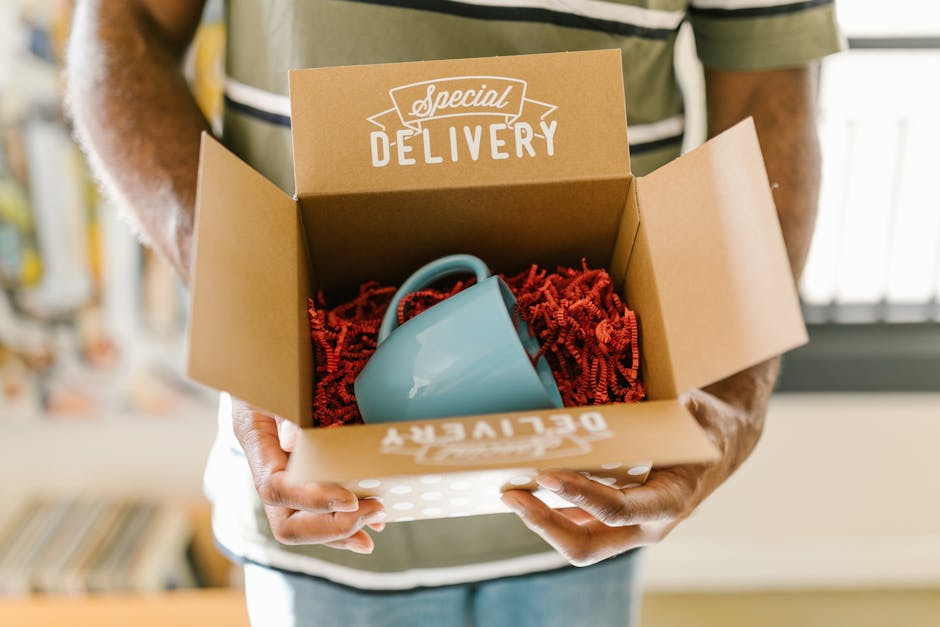
AI for creating product photos for subscription box brands is a suite of advanced technological applications that leverage machine learning algorithms to generate, manipulate, and optimize visual content featuring your products. This technology can interpret text descriptions or existing images to produce new, photorealistic visuals, essentially creating a virtual photoshoot environment. Think of it as having an infinitely adaptable studio and a team of expert photographers and stylists at your fingertips, capable of producing a vast array of scenes and styles on demand, all without the logistical headaches of traditional shoots. This capability is what truly defines what is AI for creating product photos for subscription box brands 2026 – a forward-thinking approach to visual content that prioritizes efficiency, scalability, and creative freedom.
The technology behind this isn’t a single monolithic entity but rather a collection of specialized tools. Some AI platforms excel at background removal and replacement, instantly transforming a product shot taken on a cluttered desk into a pristine e-commerce image. Others specialize in generative AI, capable of creating entirely new environments, props, and lighting conditions from a simple text prompt. For instance, you could describe “a gourmet snack box on a picnic blanket in a sun-drenched park with a golden retriever playfully in the background,” and the AI would synthesize this complex scene. This level of detail and customization allows subscription box brands to not only showcase their products but also to tell a compelling story around them, creating aspirational content that resonates deeply with target audiences. The continuous evolution of these tools means that by 2026, the capabilities of AI for creating product photos for subscription box brands will be even more sophisticated, offering even greater realism and creative control.
The Magic Behind AI Image Generation
At its heart, AI image generation for product photos relies on complex neural networks, often trained on massive datasets of images. These networks, particularly Generative Adversarial Networks (GANs) and more recently, diffusion models, learn patterns, textures, lighting, and spatial relationships from millions of existing photographs. When you provide a prompt, whether it’s “a gourmet coffee subscription box on a rustic wooden table with morning light” or “a beauty box surrounded by lush botanicals,” the AI interprets this input and synthesizes a unique image that matches your description. It’s not simply copying and pasting; it’s creating new pixels based on its learned understanding of how objects, light, and environments interact.
This process allows for incredible flexibility, enabling brands to experiment with countless visual narratives without the physical constraints of traditional photography. For example, if you’re launching a summer-themed box, you can instantly generate images of your products on a beach, by a pool, or at a barbecue, complete with appropriate lighting and props. If a winter holiday campaign is next, the same product can be placed in a snowy landscape or beside a crackling fireplace. The AI can even adjust perspectives, focal lengths, and depth of field, mimicking professional camera settings. This iterative capability means you can refine your vision in real-time, tweaking prompts to achieve the exact mood, aesthetic, and composition you desire, making AI for creating product photos for subscription box brands 2026 an indispensable tool for dynamic marketing.
The Unbeatable Advantages of AI in Product Photography
Leveraging AI for creating product photos for subscription box brands offers a multitude of benefits that directly impact your bottom line and brand perception. The most significant advantage is the drastic reduction in time and cost associated with producing high-quality imagery. What once took days or weeks and thousands of dollars can now be achieved in hours for a fraction of the price. This efficiency is not just about saving money; it’s about empowering brands to be more agile, responsive, and creatively ambitious in their marketing efforts, setting a new standard for visual content creation that will be commonplace by 2026.
Cost Savings and Speed to Market
Traditional product photography involves significant expenses: studio rental, photographer fees, model costs, prop procurement, travel, and extensive post-production editing. For a subscription box brand with ever-changing inventory, these costs multiply rapidly, often consuming a substantial portion of the marketing budget. AI eliminates or drastically reduces many of these line items. Instead of spending $1,500-$5,000 on a single photoshoot for a new box, brands can generate dozens of high-quality images for a fraction of that cost, often for just tens or hundreds of dollars per month for a subscription to an AI platform. This means you can allocate more budget to other marketing efforts, product development, or customer acquisition.
More importantly, the speed at which you can generate new visuals allows for rapid testing of different marketing angles and faster deployment of campaigns, giving your brand a significant edge in a competitive market. Imagine being able to conceptualize, create, and launch a holiday-themed social media campaign with stunning visuals in a matter of days, rather than weeks. This agility translates directly to increased responsiveness to market trends, seasonal opportunities, and competitor actions. By embracing AI for creating product photos for subscription box brands 2026, businesses can achieve a speed to market that was previously unimaginable, ensuring their visual content is always fresh, relevant, and impactful.
Unparalleled Consistency and Customization
Maintaining a consistent brand aesthetic across all your visual assets can be challenging, especially with diverse product offerings in a subscription box that changes monthly or quarterly. Traditional photography often involves different photographers, varying lighting conditions, and disparate styling, leading to a disjointed visual identity. AI tools, however, ensure uniform lighting, styling, and quality across all generated images, reinforcing your brand identity with every visual. This consistency builds trust and strengthens brand recognition, making your subscription box instantly recognizable to your audience.
Furthermore, the ability to customize every element of a scene—from background textures and ambient lighting to the inclusion of specific props—means you can tailor visuals precisely to specific campaigns, holidays, or target demographics with ease. Need an image for a Valentine’s Day box? Generate it with romantic lighting and rose petals. Launching a sustainable living box? Place it in an eco-friendly, minimalist setting. This level of granular control allows for hyper-targeted marketing, creating visuals that speak directly to niche segments of your audience. The capacity for such precise and consistent customization makes AI for creating product photos for subscription box brands 2026 an invaluable asset for building a cohesive and compelling brand narrative across all touchpoints.
How to Use AI for Creating Product Photos for Subscription Box Brands

Understanding how to use AI for creating product photos for subscription box brands 2026 involves a few key steps, starting with selecting the right tools and understanding your brand’s visual needs. It’s less about technical prowess and more about creative direction and strategic application. The process generally begins with conceptualizing the desired image and then using AI software to bring that vision to life. This empowers marketing teams and small business owners alike to take control of their visual content pipeline, moving away from reliance on external vendors and lengthy production schedules. The beauty of this technology lies in its accessibility; you don’t need to be a professional photographer or graphic designer to generate stunning, high-quality images. Instead, your creativity and ability to articulate your vision become the most powerful tools.
The journey from concept to creation with AI is significantly streamlined compared to traditional methods. It encourages experimentation and rapid iteration, allowing brands to test various visual approaches without incurring prohibitive costs or delays. This agile workflow is particularly beneficial for subscription box brands, which constantly need to refresh their visual content to reflect new products, seasonal themes, and evolving marketing campaigns. By mastering these steps, brands can unlock the full potential of AI-powered photography, ensuring their visual content remains fresh, engaging, and perfectly aligned with their brand identity, not just today but well into 2026.
Step-by-Step: From Concept to Creation
1. Define Your Vision: Before touching any software, clearly articulate the aesthetic, mood, and message you want your product photos to convey. What story are you telling with this month’s box? What emotions should the images evoke in your target audience? Create a mood board with examples of desired lighting, colors, textures, and overall style. Consider your brand guidelines: what are your core visual elements, and how should they be represented? For example, if your brand is about cozy comfort, your vision might include warm lighting, soft textures, and inviting settings. If it’s about luxury, you’d focus on sleek lines, sophisticated backdrops, and elegant compositions. This foundational step is critical for guiding the AI effectively.
2. Choose Your AI Tools: There’s a growing landscape of powerful AI tools available, each with its strengths. Some specialize in background removal and basic enhancements (e.g., remove.bg, Fotor), others in generating entirely new scenes from scratch (e.g., Midjourney, DALL-E 3, Stable Diffusion), and some offer advanced editing capabilities (e.g., Photoshop’s AI features, PhotoRoom). Research and select the platforms that best fit your specific needs, technical comfort level, and budget. Consider factors like ease of use, output quality, available features (e.g., object placement, style transfer, batch processing), and integration options with your existing e-commerce or marketing platforms. Many offer free trials, so experiment to find your perfect fit for AI for creating product photos for subscription box brands 2026.
3. Input Your Product Images: Most AI product photo generators require an initial clean image of your product. This serves as the foundation upon which the AI builds. Ensure these base images are well-lit, high-resolution, and have a clear background (even if it’s just white). The better the quality of your input product image, the more realistic and polished the AI-generated output will be. Think of it as providing the AI with the clearest possible blueprint of your product. If you’re using a generative AI that creates from scratch, you might skip this step and describe the product entirely in your prompt, but for most product-focused tools, a clear source image is essential.
4. Craft Your Prompts: This is where the magic happens and your creative direction truly shines. Use descriptive language to tell the AI exactly what you want. Be specific about backgrounds, lighting, props, textures, and overall mood. Experiment with different phrasing to get diverse results. For example, instead of “coffee box,” try “artisanal coffee subscription box nestled in a cozy café setting with warm, dappled sunlight, a steaming ceramic mug, and a half-eaten croissant on a wooden table, shot with a shallow depth of field.” The more detail you provide, the better the AI can understand and execute your vision. Think about camera angles (e.g., “overhead shot,” “eye-level”), time of day (e.g., “golden hour,” “moody evening”), and even stylistic elements (e.g., “minimalist,” “bohemian,” “cinematic”).
5. Iterate and Refine: AI generation is often an iterative process. Generate multiple options, tweak your prompts, and refine the output until you achieve the perfect shot. Don’t be afraid to experiment. If the first few results aren’t quite right, adjust your prompt by adding more details, removing conflicting instructions, or trying different keywords. Many platforms allow for fine-tuning details post-generation, such as adjusting colors, enhancing sharpness, or removing minor imperfections. This iterative feedback loop ensures that the final image perfectly aligns with your brand’s aesthetic and marketing objectives, maximizing the impact of how to use AI for creating product photos for subscription box brands 2026.
Leveraging AI for Diverse Visual Needs
Whether you need a simple white background shot, a complex lifestyle scene, or a seasonal hero image, AI can handle it. For subscription boxes, this means you can quickly generate images for:
* Website product pages: High-converting, consistent visuals that showcase individual products and the overall box in various appealing contexts. This can include 360-degree views or interactive elements generated from static images.
* Social media campaigns: Endless variations to keep feeds fresh and engaging, allowing for A/B testing of different visual concepts to see what resonates best with your audience. You can quickly adapt visuals for Instagram Stories, Reels, TikTok, Facebook, and Pinterest with platform-specific dimensions and styles.
* Email marketing: Personalized visuals for different segments of your audience, enhancing open rates and click-through rates by showing relevant products in aspirational settings. Imagine sending an email to coffee lovers with a perfectly brewed cup next to your coffee box, or to beauty enthusiasts with products artfully arranged on a vanity.
* Ad creatives: Rapidly create and A/B test multiple image concepts for paid advertising, optimizing for the highest conversion rates without the usual time and cost constraints. This allows for dynamic ad campaigns that can be updated weekly or even daily based on performance.
You can even use an AI image generator to create images that perfectly match a specific aesthetic or theme you’re exploring for an upcoming box, ensuring your marketing materials are always ahead of the curve and visually cohesive. This versatility is a cornerstone of how to use AI for creating product photos for subscription box brands 2026 effectively.
Choosing the Right AI Tools for Your Brand
The market for AI product photography tools is expanding rapidly, with new features and platforms emerging regularly. Selecting the right one depends on your specific needs, technical comfort, and budget. While many tools offer similar core functionalities, their interfaces, pricing models, and advanced features can vary significantly. Understanding these differences is crucial for making an informed decision that will serve your brand well as you integrate AI for creating product photos for subscription box brands 2026.
| Feature | Basic AI Tools | Advanced AI Platforms |
|---|---|---|
| Primary Use Case | Background removal, basic enhancements, simple scene generation | Full scene generation, lifestyle shots, complex editing, virtual staging, 3D product rendering |
| Ease of Use | Very user-friendly, often one-click solutions, intuitive interfaces | Requires more detailed prompting, understanding of AI capabilities, and some creative direction |
| Output Quality | Good for standard product shots, clean backgrounds, decent realism | Photorealistic, highly customizable, often indistinguishable from real photos, high-resolution outputs |
| Cost | Free or low-cost subscriptions (e.g., $5-$30/month) | Mid-to-high tier subscriptions (e.g., $50-$500+/month), often usage-based or enterprise plans |
| Integration | Limited, often standalone web applications or simple plugins | API access, integrations with e-commerce platforms (Shopify, WooCommerce), marketing automation tools, and design software |
Key Considerations When Selecting AI Software
When evaluating different AI software for creating product photos for subscription box brands 2026, consider the following:
* Quality of Output: This is paramount. Does the tool produce images that meet your brand’s aesthetic standards? Look for photorealism, accurate lighting and shadows, natural-looking textures, and a lack of AI “artifacts” (distortions or unnatural elements). Request sample images or utilize free trials to thoroughly assess the quality. The images should be high-resolution enough for all your intended uses, from website banners to print ads.
* Ease of Use: How intuitive is the interface? Can your marketing team or even non-designers quickly learn to use it effectively, or does it require a steep learning curve and specialized training? A user-friendly interface with clear instructions and helpful tutorials can significantly reduce the time to value. Consider if it offers template-based options for quick generation or if it’s primarily prompt-driven.
* Feature Set: Does it offer the specific functionalities you need? This might include advanced background generation, precise object placement and manipulation, style transfer (applying a specific artistic style), batch processing for multiple products, or even the ability to generate 3D models from 2D images. For subscription boxes, features that allow for easy swapping of products within a consistent scene are particularly valuable.
* Scalability: Can the tool handle your volume of products and image creation needs as your brand grows? Does it offer enterprise solutions or API access if you anticipate needing to integrate it into a larger workflow or generate thousands of images? A tool that scales with your business will prevent you from having to switch platforms frequently, saving time and resources.
* Cost-Effectiveness: Does the pricing model align with your budget and provide a clear return on investment? Some tools charge per image, others offer monthly subscriptions with a set number of credits, and some have unlimited plans. Compare the cost against the time and money saved from traditional photography. Don’t just look at the sticker price; consider the total cost of ownership, including potential training and integration costs.
Real-World Case Study: How “The Artisan’s Brew Box” Transformed Its Visuals

Situation: “The Artisan’s Brew Box,” a fictional subscription service delivering curated craft coffee and brewing accessories, struggled with inconsistent and expensive product photography. Each month’s box featured new, often limited-edition items, making traditional photoshoots a logistical and financial nightmare. Their social media feed felt disjointed, lacking a cohesive brand aesthetic, and they couldn’t quickly generate themed visuals for seasonal promotions or flash sales. Photography costs were averaging over $2,000 per box, encompassing photographer fees, studio rental, prop sourcing, and extensive post-production. Lead times for new images were often two weeks, delaying marketing efforts and causing them to miss timely promotional windows. This bottleneck was severely impacting their ability to scale and engage their audience effectively.
Action: The marketing team, recognizing the need for a modern solution, decided to integrate an advanced AI image generation platform specifically designed for product visuals. They began by uploading high-resolution “clean” shots of their individual coffee bags, brewers, and accessories. Then, using detailed text prompts, they began generating lifestyle shots for their upcoming “Autumn Harvest” box. They experimented with prompts like “artisanal coffee bag on a cozy, sun-drenched windowsill with autumn leaves and a steaming mug, minimalist aesthetic” and “pour-over coffee maker on a minimalist kitchen counter with subtle morning light, surrounded by fresh coffee beans and a ceramic pour-over stand, overhead shot.” They also utilized the AI to create consistent white-background shots for their e-commerce store, ensuring uniformity across all product listings. The team dedicated a few hours each week to prompt engineering and image refinement, quickly becoming proficient in guiding the AI to produce desired results. This proactive adoption of AI for creating product photos for subscription box brands 2026 was a game-changer.
Result: Within the first three months, The Artisan’s Brew Box saw a dramatic shift in their visual content strategy and its impact. Their photography costs plummeted by an astonishing 80%, from over $2,000 per box to under $400, primarily covering the AI subscription and internal staff time for prompt engineering. Image generation time was reduced from two weeks to just 2-3 days, allowing them to launch campaigns much faster and capitalize on trending topics and seasonal opportunities. Their Instagram engagement increased by 20% due to the consistent, high-quality, and seasonally relevant visuals that resonated deeply with their audience. More importantly, their conversion rate on product pages featuring AI-generated lifestyle shots saw a 12% uplift, proving the direct impact of compelling visuals on sales. The brand’s visual identity became more cohesive and professional, attracting new subscribers and reinforcing loyalty among existing ones. This case study clearly demonstrates the transformative power of AI for creating product photos for subscription box brands 2026, offering a scalable, cost-effective, and highly creative solution to a perennial marketing challenge.
Mistakes That Are Costing You Results
Even with powerful AI tools, it’s easy to fall into common traps that can undermine your efforts. Avoiding these pitfalls is crucial for maximizing the benefits of AI for creating product photos for subscription box brands. While AI offers incredible efficiency and creative potential, its effectiveness is heavily dependent on how it’s utilized. Many brands, eager to adopt new technology, overlook the strategic and creative considerations that turn a generic AI output into a compelling, brand-aligned visual. By understanding and actively avoiding these common errors, you can ensure your investment in AI photography yields the best possible return, setting your brand apart in the competitive landscape of 2026.
Relying Solely on Generic Prompts
Many users start with very basic prompts like “product on table” or “subscription box in a room.” While this works for initial testing, it rarely yields truly unique or brand-aligned results. The AI is only as good as the input it receives; generic prompts lead to generic outputs that blend into the visual noise online. These images lack the distinctiveness needed to capture attention and convey your brand’s unique story.
What to do instead: Invest time in crafting detailed, evocative prompts that include specific details about lighting, mood, environment, props, textures, and even camera angles. Think like a director, not just a requester. For example, instead of “beauty box,” try “luxury beauty subscription box on a marble vanity with soft, diffused natural light, surrounded by delicate fresh orchids and a silk scarf, shot from a slightly elevated angle with a shallow depth of field.” The more descriptive and imaginative your prompts, the more unique and compelling the AI-generated images will be, truly leveraging the power of AI for creating product photos for subscription box brands 2026.
Neglecting Brand Guidelines
Just because AI can generate anything doesn’t mean it should. Without clear brand guidelines, your AI-generated images can quickly become inconsistent, diluting your brand identity and confusing your audience. A lack of visual cohesion can make your brand appear unprofessional or disorganized, eroding trust over time.
What to do instead: Establish a clear visual style guide specifically for your AI outputs. Define preferred color palettes, lighting styles (e.g., bright and airy, moody and dramatic), background types (e.g., minimalist, rustic, urban), and overall aesthetic. Use your existing brand guidelines as a filter for every image you generate, ensuring that each visual reinforces your brand’s core identity. Train your team on these guidelines and regularly review AI-generated content for compliance. This ensures that every image, whether human-shot or AI-generated, contributes to a strong, unified brand presence.
Over-Editing or Under-Editing
Some users either try to fix poor AI outputs with excessive manual editing, spending hours trying to salvage a bad generation, or they publish raw AI images that still need minor tweaks. Both can lead to subpar results. Over-editing can make images look unnatural or heavily processed, while under-editing can leave minor imperfections that detract from professionalism.
What to do instead: Aim for high-quality AI outputs that require minimal post-processing. This means refining your prompts until the AI gets it mostly right. However, always do a final pass for subtle adjustments like color correction, sharpness, minor artifact removal, or slight cropping to ensure a polished, professional look. Think of AI as providing a near-perfect raw image that still benefits from a human editor’s final touch, much like a photographer’s raw file. This balance ensures efficiency without sacrificing quality.
Forgetting the Human Touch
While AI is incredibly powerful, relying solely on it without any human oversight or creative direction can lead to images that feel sterile, generic, or lack genuine emotional resonance. AI can mimic, but it doesn’t inherently feel or understand the nuanced emotional connection a brand