

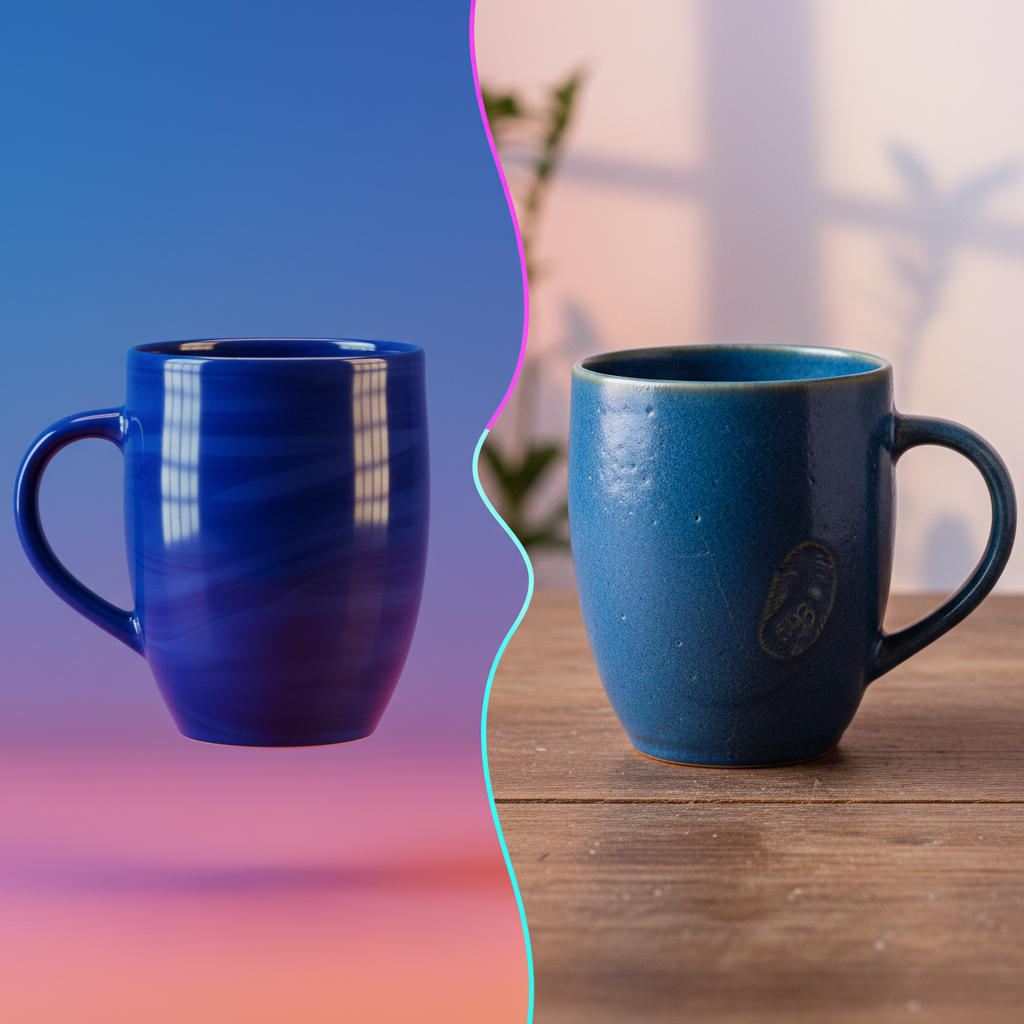
AI Authentic Product Photos: The Unfiltered Strategy That Builds Real Trust
For years, I chased perfection in product photography. Every pixel had to be flawless, every reflection gleaming, every texture impossibly smooth. We spent countless hours and resources trying to achieve that unattainable, sterile ideal. The problem? Our customers, and frankly, I, started to see right through it.
In this post, you’ll discover why the trend toward authenticity in AI product photography isn’t just a fad, learn how brands use imperfect AI photos to build consumer trust, and get actionable strategies for creating genuine product photos with artificial intelligence — backed by real-world examples.
Why Authenticity in Product Visuals Matters More Than Ever

We’re living in an age of hyper-awareness. Consumers are savvier than ever, and they can spot a Photoshopped-to-death image from a mile away. The polished, airbrushed aesthetic that once dominated e-commerce is now often met with skepticism, not admiration. This isn’t just my opinion; it’s a significant industry shift.
People crave realness. They want to know what they’re actually getting, not an idealized version of it. Brands that fail to adapt, still clinging to unrealistic visuals, risk alienating their audience and eroding the very foundation of consumer confidence. It’s a common mistake, but one that’s increasingly costly in today’s transparent marketplace.
This shift isn’t just about avoiding a bad impression; it’s about actively building trust. When a product image feels genuine, it creates an immediate connection. That connection translates directly into higher engagement, better conversion rates, and a stronger brand reputation. The stakes are higher than ever, and AI authentic product photos offer a powerful solution.
How AI Creates More Authentic Raw and Unfiltered Product Photos
AI is revolutionizing how we approach product visuals, moving beyond mere perfection to embrace genuine realism. It’s about using sophisticated algorithms to generate images that feel less like a studio shoot and more like a snapshot from real life. This involves techniques that intentionally introduce subtle imperfections and variations.
The process often starts with detailed 3D models or existing product data. AI then applies various rendering techniques, but instead of aiming for pristine, hyper-idealized scenes, it’s trained on vast datasets of real-world photography. This training allows it to understand and replicate the nuances of natural lighting, varied textures, and even slight manufacturing variations. The result is AI generated imperfect photos that resonate with buyers.
Embracing Imperfection for Greater Impact
The magic of imperfect AI photos for trust lies in their ability to mimic the real world. Think about a handcrafted item – it has unique characteristics that make it special. AI can now simulate these without needing a physical product or a complex photoshoot. This means generating realistic AI product visuals that include subtle wrinkles in fabric, a slight scuff on a shoe, or the natural grain of wood.
These “imperfections” aren’t flaws; they’re authenticity markers. They help bridge the gap between a digital image and a tangible item, making the product feel more accessible and real to the consumer. It’s a powerful way to build consumer confidence with AI images.
AI Truth Shots: Revealing Genuine Product Texture
One of the most exciting developments is the concept of AI truth shots product texture. This goes beyond simply showing the product; it’s about revealing its true tactile qualities. Imagine a close-up of a knitted sweater where you can almost feel the yarn, or a leather bag where you see the natural variations in the hide.
AI models are becoming incredibly adept at rendering these intricate details. They can simulate how light interacts with different materials, creating shadows and highlights that emphasize texture rather than erase it. This level of detail is crucial for products where material quality is a key selling point.
Why Authentic AI Product Photography Outperforms Perfect AI Images
The notion that “perfect” images always convert better is quickly becoming outdated. While high-quality visuals are essential, the definition of “quality” is evolving. Authentic AI photography benefits stem from its ability to connect emotionally with consumers, something sterile perfection often fails to do.
Perfect images can sometimes feel cold, unapproachable, or even deceptive. They set an unrealistic expectation that the actual product might not meet, leading to disappointment and returns. In contrast, images that embrace a touch of realism manage expectations and foster a sense of honesty. This transparency is a massive win for consumer trust AI images.
| Feature | Perfect AI Images | Authentic AI Product Photos |
| :—————— | :——————————————- | :——————————————- |
| Aesthetic | Flawless, idealized, often sterile | Realistic, nuanced, sometimes slightly imperfect |
| Consumer Perception | Can feel artificial, creates high expectations | Builds trust, manages expectations, feels honest |
| Impact on Trust | Can erode trust if product doesn’t match | Enhances credibility, fosters confidence |
| Engagement | Can be visually appealing but lack depth | More relatable, encourages deeper connection |
| Return Rates | Potentially higher due to unmet expectations | Potentially lower due to realistic portrayal |
The Benefits of Raw and Unfiltered AI Images
The benefits of raw and unfiltered AI images extend beyond just trust. They can significantly streamline the creative process and reduce costs. Instead of elaborate studio setups and extensive post-production, brands can leverage AI to quickly generate a diverse range of realistic visuals. This allows for more content, faster iterations, and greater agility in marketing campaigns. When you need to create images quickly and authentically, using an AI image generator can be a game-changer.
Furthermore, these visuals often perform better in A/B testing because they resonate more deeply with the audience. The AI product image realism they offer makes them more persuasive. It’s not about tricking the eye; it’s about presenting the truth in a compelling and visually engaging way.
Building Consumer Confidence with AI Images
Building consumer confidence with AI images is about strategic implementation. It’s not just about turning on an AI tool; it’s about understanding your audience and what aspects of your product they need to see authentically. This means deliberately choosing to highlight textures, materials, and even minor, natural variations that occur in manufacturing.
Brands are increasingly looking for best AI tools that can help them achieve this balance between quality and realism. It’s about creating genuine product photos with artificial intelligence that tell a true story about the item. This approach signals transparency and honesty, which are invaluable currencies in today’s market.
How AI Creates Authentic Product Photos
The process of how AI creates authentic product photos involves several key steps. First, AI models are trained on vast datasets of real-world product photography, including images with natural lighting, varied environments, and even minor imperfections. This allows the AI to learn what “real” looks like. Second, advanced rendering engines within AI tools can simulate physical properties of materials, such as how light reflects off different surfaces or how fabric drapes. Finally, generative adversarial networks (GANs) or diffusion models can then be used to create new, unique images that retain these learned characteristics, resulting in realistic and unfiltered product photos AI.
Case Study: “Crafted Comfort Co.” and Their AI-Driven Authenticity Boost

Situation: Crafted Comfort Co., a small online retailer specializing in handmade ceramic mugs, struggled with high return rates. Customers often reported that the mugs “looked different” in person than on the website. Their existing product photos were professionally shot but lacked the subtle, unique textures and glazes that made each handmade mug special. They were too perfect, too uniform.
Action: The company decided to experiment with AI product photography authenticity. Instead of traditional studio shots, they used an AI tool trained on a dataset of real handmade ceramics, including images with slight glaze variations, tiny air bubbles, and natural imperfections that are part of the crafting process. They generated a new set of product photos, focusing on AI truth shots showing real product texture and imperfections. They specifically instructed the AI to create images that highlighted the unique, slightly uneven glaze and the subtle variations in handle shape.
Result: Within three months, Crafted Comfort Co. saw a 22% reduction in product returns related to appearance discrepancies. Their customer reviews frequently mentioned appreciating the “honest” and “true-to-life” photos. Sales also saw a modest 8% increase, which the company attributed to improved consumer confidence and a better understanding of what they were purchasing. The trend toward authenticity in AI product photography proved to be a powerful differentiator.
Common Mistakes That Are Costing You Results
Even with the best intentions, brands can stumble when trying to implement AI authentic product photos. Avoiding these common pitfalls is crucial for success.
1. Over-Filtering “Authentic” AI Images
The paradox of authentic AI photography is that you can still overdo it. Some brands, in an effort to make images “raw,” might apply excessive filters or artificial grain, making them look deliberately distressed rather than genuinely real. This defeats the purpose. The goal is raw AI product images that feel natural, not manufactured to look natural. Focus on subtle realism, not exaggerated grunge.
2. Ignoring Product-Specific Imperfections
Not all products benefit from the same type of “imperfection.” A luxury watch might benefit from showing the intricate brushed metal texture, but a visible scratch would be detrimental. A handcrafted item, however, thrives on showing its unique, human-made characteristics. Failing to understand which AI generated imperfect photos are appropriate for your specific product can lead to misrepresentation and undermine trust. Tailor your AI prompts to highlight relevant, natural characteristics.
3. Relying Solely on AI Without Human Oversight
While AI is incredibly powerful, it’s not a magic bullet. Simply generating images and publishing them without human review is a recipe for disaster. AI can still produce uncanny valley effects or introduce irrelevant artifacts. A human eye is essential to ensure that the AI product image realism is truly authentic and aligns with your brand’s message. Always have a human in the loop to curate and approve the final visuals.
Frequently Asked Questions
What is authentic AI product photography?
Authentic AI product photography refers to using artificial intelligence to generate product images that prioritize realism and genuine representation over idealized perfection. It aims to create visuals that show true product texture, slight imperfections, and natural lighting, building greater consumer trust.
How does AI create raw and unfiltered product photos?
AI creates raw and unfiltered product photos by leveraging advanced rendering techniques and being trained on vast datasets of real-world images. This allows the AI to simulate natural lighting, material properties, and subtle variations, resulting in images that feel less artificial and more like genuine snapshots.
Why is authentic AI product photography important for brands?
Authentic AI product photography is important for brands because it builds consumer trust and manages expectations. In an era where consumers are skeptical of overly polished visuals, realistic images foster credibility, reduce return rates due to appearance discrepancies, and create a stronger emotional connection with the product.
What are the benefits of using AI for imperfect product images?
The benefits of using AI for imperfect product images include increased consumer confidence, lower return rates, and a more efficient content creation process. These images resonate more deeply with buyers by showing them what the product truly looks like, including its unique characteristics and textures.
How can brands use AI to build consumer trust with product photos?
Brands can use AI to build consumer trust with product photos by focusing on AI product photography authenticity. This involves generating images that highlight genuine product textures, materials, and even subtle, natural imperfections, signaling transparency and honesty to the consumer.
What are “AI truth shots”?
“AI truth shots” are a specific application of AI product photography focused on revealing the genuine texture, material, and inherent qualities of a product. These shots aim to provide a highly realistic and tactile visual experience, showing the product as it truly is, rather than an idealized version.
Does authentic AI photography outperform traditional perfect images?
Often, yes. While traditional perfect images can be aesthetically pleasing, authentic AI photography frequently outperforms them in terms of building consumer trust, managing expectations, and reducing return rates. Realistic visuals resonate more deeply with modern consumers seeking transparency.
What tools are available for generating realistic AI product visuals?
A variety of AI tools are available for generating realistic AI product visuals, ranging from advanced 3D rendering software integrated with AI to specialized AI image generation platforms. These tools often utilize generative AI models to create diverse and highly detailed product imagery.
Why I Disagree With the “Always Perfect” Product Image Mantra
Most people in e-commerce still preach the gospel of pixel-perfect, studio-lit product images. They say every shadow must be controlled, every surface gleaming, every detail idealized. I think that’s wrong because it fundamentally misunderstands the modern consumer. My experience shows that while quality is non-negotiable, perfection often breeds distrust. We’ve seen far better engagement and lower return rates when we allow a little bit of the “real world” into our AI-generated visuals. It’s not about being sloppy; it’s about being honest.
Pick one thing from this list—maybe start by asking your AI to generate a few “truth shots” of a product you know has unique textures—and try it this week. That’s it. You’ll likely see the difference in how your audience responds.