
AI Product Photo Hallucination: The Hidden Cost of ‘Perfect’ Visuals
I remember a time when getting product photos meant hiring a professional photographer, setting up a studio, and painstakingly editing each shot. It was slow, expensive, and often a bottleneck. Then AI came along, promising to revolutionize product photography, making it faster, cheaper, and seemingly flawless. But as someone who’s spent a decade in e-commerce, I’ve seen firsthand that “flawless” often comes with a hidden, and very real, cost.
In this post, you’ll discover what AI product photo hallucination truly is, learn why honest product representation is more critical than ever, and get actionable strategies to prevent misleading AI images — backed by real-world examples from my own experience.
Why Authentic Product Visuals Matter More Than Ever

The digital storefront is often the only storefront many customers ever see. In an increasingly crowded online marketplace, the quality and accuracy of your product images aren’t just a nice-to-have; they’re a cornerstone of trust and a direct driver of sales. We’ve all seen the rise of AI image generation tools, and while they offer incredible efficiencies, they also introduce new challenges. The rush to create hyper-realistic or even idealized product visuals using AI can inadvertently lead to AI image generation issues that undermine customer confidence.
This isn’t just about aesthetics; it’s about the bottom line. When images don’t match reality, it directly impacts customer dissatisfaction AI photos and can lead to a surge in returns. Think about it: a customer buys a shirt because the AI-generated image showed a rich, textured fabric, only to receive a flimsy, smooth material. That’s a recipe for a bad review and a lost customer. Building trust with AI-generated product images requires a delicate balance between enhancement and authenticity.
Understanding AI Product Photo Hallucination
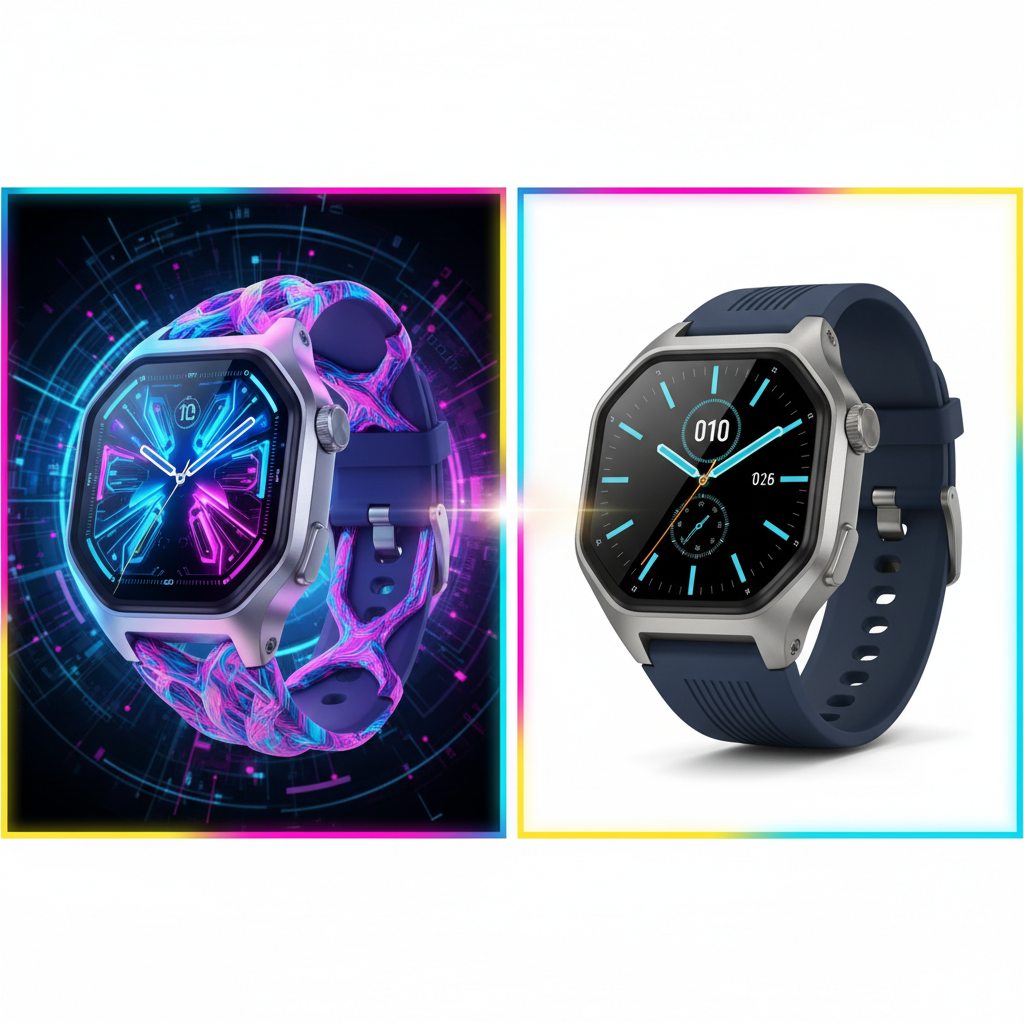
AI product photo hallucination occurs when an AI image generator invents details, textures, or features in a product image that don’t exist in the real product, or exaggerates existing ones to a deceptive degree. This phenomenon creates false product expectations by presenting an idealized or entirely fabricated version of an item. It’s a critical aspect of AI photo accuracy that many businesses are still grappling with.
The AI, in its attempt to “fill in the blanks” or “improve” an image based on its training data, can introduce subtle yet significant discrepancies. For instance, an AI might add a luxurious sheen to a fabric that’s actually matte, or invent intricate stitching where none exists. This isn’t a malicious act by the AI; it’s a byproduct of its learning process and the prompts it’s given.
The Genesis of Misleading AI Images
The core problem often lies in the training data and the objective functions of the AI models themselves. Many models are trained on vast datasets of highly polished, often idealized commercial photography. When tasked with generating or enhancing product images, they lean into these learned aesthetics, sometimes over-enhancing textures or light reflections. This can lead to AI texture hallucination in product photos where a plain surface suddenly appears to have a rich, detailed grain.
Another factor is the prompt engineering. If the instruction is simply “make this product look amazing,” the AI might interpret “amazing” as adding visual elements that aren’t true to the physical item. This is where the line between enhancement and deception blurs, leading to misleading AI images that ultimately harm the brand and the customer.
The Impact of AI Photo Exaggeration on Sales and Returns
The immediate appeal of an over-polished product photo is undeniable. It catches the eye, makes the product seem more desirable, and might even lead to an initial sale. However, this short-term gain often comes at a long-term cost. When customers receive a product that doesn’t live up to the visual promise, they feel deceived. This directly contributes to customer dissatisfaction AI photos and can significantly increase return rates.
Think about the logistical nightmare and financial drain of managing increased returns. It’s not just the shipping costs; it’s the restocking fees, the damaged goods, and the lost opportunity cost. More importantly, it erodes trust. Customers are less likely to buy from a brand again if they’ve had a negative experience due to AI product image deception. This negative cycle impacts sales and brand reputation, highlighting how over-enhanced AI product photos are causing more returns.
Strategies for Authentic Product Visualization
Preventing AI product image deception requires a proactive approach that prioritizes honesty alongside visual appeal. It’s about finding how to balance AI enhancement with honest product representation. This means being intentional about the AI tools you use and the processes you put in place for quality control.
Prioritizing Product Photo Realism
The goal should always be product photo realism. While AI can certainly enhance images, its primary role in e-commerce should be to accurately represent the product, not to reimagine it. This means using AI to improve lighting, remove distracting backgrounds, or upscale resolution, rather than fundamentally altering textures, colors, or shapes. When you’re looking for the right AI tools to help with your visual merchandising, consider those that offer fine-grained control over the enhancement process. For a comprehensive guide on various tools, you might find valuable insights in this resource: AI tools.
E-commerce Image Best Practices with AI
Incorporating AI into your e-commerce image best practices involves several key steps. First, always start with high-quality source images. Even the best AI can’t create something from nothing without introducing artifacts. Second, use AI for subtle enhancements. A slight brightening or a cleaner background is acceptable; adding a non-existent pattern is not. Third, implement a rigorous review process. Human eyes are still the best detectors of AI texture hallucination in product photos.
Building Trust with AI-Generated Product Images
To build trust, transparency is key. If an image has been significantly altered or is an AI-generated render rather than a photograph, consider labeling it as such. Some brands are even experimenting with showing both the AI-enhanced image and a more raw, unedited photo. This level of honesty in digital product representation can differentiate your brand. Remember, why realistic AI product photos outperform over-polished ones is simple: trust drives long-term customer loyalty and reduces friction in the buying process.
| Approach | Pros | Cons | Impact on Customer Trust |
|---|---|---|---|
| Over-Enhanced AI Photos | Initial visual appeal, stands out | High return rates, customer disappointment, brand damage | Lowers trust, perceived as deceptive |
| Realistic AI Photos | Accurate representation, fewer returns, higher satisfaction | May require more careful AI prompting/review | Builds strong trust, fosters loyalty |
Preventing Customer Returns Due to AI Photo Discrepancies
The ultimate goal of using AI in product photography should be to enhance the customer experience, not detract from it. This includes avoiding customer returns due to AI photo discrepancies. By focusing on authentic product visuals and ensuring AI photo accuracy, you create a seamless journey from browsing to unboxing. This approach supports visual merchandising AI efforts by ensuring that the AI’s contribution is genuinely helpful, not misleading. When you’re looking to create images that truly resonate and accurately represent your products, exploring robust AI image generator platforms can be a game-changer for your workflow.
Case Study: How “Artisan Goods Co.” Reduced Returns by 25%

Situation: Artisan Goods Co., a small e-commerce business selling handmade ceramics, began using an AI image enhancement tool to quickly process their product photos. While their new images looked incredibly polished and professional, they noticed a significant spike in customer returns, often citing “item not as described” or “color/texture different than pictured.” Their return rate jumped from a manageable 8% to an alarming 15% in just three months. They realized their visually stunning AI-enhanced photos were actually causing AI product photo hallucination, particularly in depicting the subtle variations and matte finish of their unique glazes.
Action: The team at Artisan Goods Co. paused their aggressive AI enhancement strategy. Instead of letting the AI “perfect” every image, they adopted a “less is more” approach. They used AI primarily for background removal and minor lighting adjustments, but strictly prohibited any AI-driven texture or color alteration. They also implemented a two-person human review process for every AI-processed image, specifically looking for signs of AI texture hallucination or any deviation from the actual product. Furthermore, they started including a “real-life photo” section on each product page, showcasing unedited images taken with a smartphone in natural light, alongside the lightly AI-enhanced versions.
Result: Within six months of implementing these changes, Artisan Goods Co. saw their return rate drop back down to 11%, a 25% reduction from their peak. Customer feedback improved dramatically, with buyers frequently praising the accuracy of the online representation. This shift not only saved them significant costs associated with returns but also rebuilt customer trust, leading to a noticeable increase in repeat purchases and positive reviews, demonstrating the tangible impact of AI photo exaggeration on sales.
Common Mistakes That Are Costing You Results
Navigating the world of AI product photography can be tricky. Here are some common pitfalls I’ve seen businesses fall into, and how to avoid them.
Over-Reliance on Default AI Settings
Many AI image generators come with default settings that are designed to make images “pop.” This often means increased saturation, contrast, and sharpening, which can easily lead to over-enhanced AI product photos. The mistake here is assuming the AI knows best for your specific product.
What to do instead: Always customize AI settings. Start with minimal enhancements and gradually increase them, constantly comparing the AI-generated image to the actual product. Prioritize product photo realism over artificial vibrancy.
Skipping Human Review
The allure of automation can lead businesses to believe that once an AI processes an image, it’s ready for prime time. This is a critical error. AI is a tool, not a replacement for human oversight.
What to do instead: Implement a mandatory human review stage for all AI-generated or enhanced product images. Train your team to identify signs of AI product photo hallucination, such as unrealistic textures, exaggerated details, or inaccurate colors. This is crucial for preventing AI product image deception.
Prioritizing “Wow Factor” Over Accuracy
It’s tempting to want your product images to be stunning and attention-grabbing. However, when the “wow factor” comes at the expense of accuracy, you’re setting yourself up for failure. This often leads to misleading AI images that disappoint customers.
What to do instead: Shift your focus from creating merely impressive images to creating genuinely representative ones. Understand that why realistic AI product photos outperform over-polished ones is because they build trust, which is far more valuable than a fleeting “wow.”
Frequently Asked Questions

What is AI product photo hallucination?
AI product photo hallucination is when an AI image generation system invents or significantly exaggerates details, textures, or features in a product image that do not accurately reflect the real physical product. This can lead to a disconnect between what the customer sees online and what they receive.
How does AI hallucination affect product perception?
AI hallucination can create an idealized or false perception of a product, making it appear more luxurious, textured, or vibrant than it truly is. This inflated perception can initially attract customers but ultimately leads to disappointment and a feeling of being misled when the actual product doesn’t match the image.
Why is honest product representation crucial in e-commerce?
Honest product representation is crucial in e-commerce because it builds customer trust, reduces return rates, and fosters long-term brand loyalty. When product images accurately reflect reality, customers are more satisfied with their purchases, leading to positive reviews and repeat business.
What are the risks of over-enhanced AI product images?
The risks of over-enhanced AI product images include increased customer dissatisfaction, higher return rates, negative reviews, and damage to brand reputation. Customers feel deceived when the product doesn’t match the idealized image, impacting future sales and trust.
How can sellers ensure realistic AI product photos?
Sellers can ensure realistic AI product photos by starting with high-quality source images, using AI for subtle enhancements rather than drastic alterations, implementing a rigorous human review process, and prioritizing product photo realism over artificial perfection. Transparency, such as labeling AI-generated renders, can also help build trust.
Why “Perfect” Product Photos Are Often the Problem
Most people say that the goal of product photography, especially with AI, is to make your products look as “perfect” as possible. I think that’s wrong because “perfect” in the AI world often means unreal. My experience has shown me that customers don’t want perfection if it means deception; they want accuracy and authenticity. Chasing an AI-generated ideal can alienate your audience and create a chasm between expectation and reality, leading to more headaches than sales.
Pick one thing from this list and try it this week. That’s it. You’ll see the difference that genuine representation makes in building a loyal customer base.